

Key Highlights
When you lease a commercial printer, your business gets to use the latest tech without paying a lot all at once. The cost of leasing one depends on how long you’re leasing it for, what kind of printer it is, its brand and model, extra services offered by the company you’re leasing from.
Every month, businesses pay an amount that can be anywhere between $50 to over $500. This varies based on what features the printer has and how long the lease lasts. Sometimes companies ask for some money upfront like a deposit or down payment when you start your lease.
There are other expenses too such as fees for service and maintenance if something goes wrong with the printer during usage beyond agreed limits; there might also be additional charges plus insurance which could be optional but worth considering.
To save money on these leases: try talking terms out to get better deals; don’t go for more than what’s needed; do some homework on different companies offering leases; think about going for refurbished printers since they can be cheaper; choosing shorter periods might also help in reducing costs overall.
Introduction
Getting a commercial printer through leasing can be a smart move for companies that need top-notch printing tech but don’t want to pay all the money upfront. With a lease, businesses make an agreement with a company that lets them use high-end printers and copiers by paying in smaller amounts over time, allowing them to enjoy up-to-date features at a fraction of the cost compared to purchasing new models.
With various things affecting how much you’ll spend on leasing, it’s crucial to know these factors well to make sure you’re getting your money’s worth. The length of the lease and what kind of printer you choose play big roles in figuring out the overall cost.
In this blog post, we dive into what makes up a printer lease deal, how leasing for commercial purposes actually works, and what impacts the price tag. We’ll also weigh up the good points against not-so-good ones when it comes down to either leasing or buying printers outright. Plus, we’ve got some tips on making your lease deal even better so as to cut costs where possible.
For both small outfits looking for an affordable way to handle their printing needs or bigger operations seeking sophisticated print capabilities without breaking the bank—getting savvy about managing costs related to commercial printer leases is key in ensuring you have just right office equipment at hand while saving cash too.

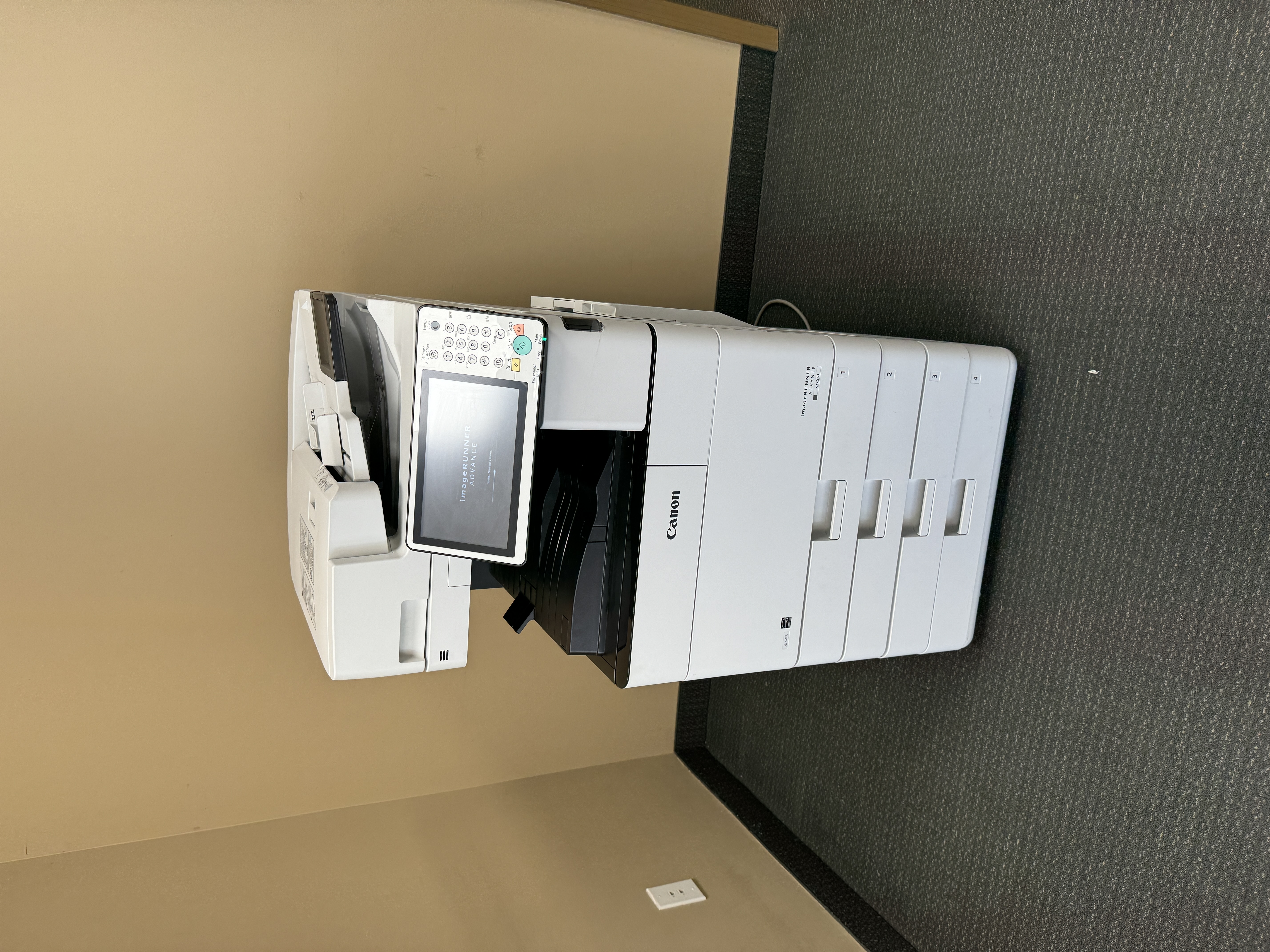

https://americanhistory.si.edu/collections/search/object/nmah_1085916
Understanding Commercial Printer Leases
When businesses lease a printer from leasing companies, they get to use cool printing tech without having to pay all the money upfront. With these leases, you agree to pay each month for a set time so you can use the printer. But remember, even while you’re using it, the company that leased it out still owns it. This way of getting office equipment is pretty smart for places that always want the latest gadgets but don’t have extra cash lying around to buy them straight away. Plus, most times when you lease something like a printer, fixing and keeping it running smoothly is part of the deal.
The Components of a Printer Lease Agreement
When a business decides to lease a printer, they sign what’s called a printer lease agreement with the leasing company. This is basically an official promise that spells out all the details like how much you’ll pay every month, how long you get to keep the printer for, and any extra charges or services.
With this deal comes something known as a service contract. It’s pretty important because it tells you exactly what kind of help and upkeep the company will give for your leased printer. Things like fixing it if it breaks down, coming by to check on it regularly, and even providing toner cartridges are covered here.
The amount paid each month is referred to as the monthly lease cost. This fee keeps things running smoothly so you can use their printer without buying one outright. The length of time you agree to keep using (and paying for) their equipment is called the lease term; this usually lasts anywhere from two years up until five years depending on what suits your needs best including options available in terms of features or pricing offered by different companies.


How Commercial Printer Leasing Works
When a business decides to lease a commercial printer, they make an agreement with a leasing company. In this deal, the business pays a monthly fee for using the printer over an agreed period of time. With various printers and leasing plans available, companies can find something that fits their needs perfectly.
The cost each month can change based on things like what kind of printer it is, its brand and model, how long you’re leasing it for, and how the leasing company sets its prices. These companies often throw in extra services like fixing or maintaining the printer as part of your lease deal.
Throughout this time frame known as the lease term, businesses need to keep up with paying their monthly fees and take good care of their leased printers. When this period ends, there’s usually an option to buy that same printer outright if they want to keep it longer without continuing payments; otherwise upgrade by switching out old models for newer ones or simply give back any equipment no longer needed.
https://search.google.com/local/writereview
Factors Influencing Printer Lease Costs
When it comes to figuring out how much it costs to lease a commercial printer, there are quite a few things that can change the price, including the use of Managed print solutions (MPS). On average, leasing a printer might set you back anywhere from $50 to over $500 each month. This range is because of different factors like what the printer can do, how long you’re leasing it for, and the pricing plans of various copier leasing companies.
With an array of options available from these companies, businesses can pick between shorter or longer leases based on what they need. The length of time you choose to lease a printer plays a big role in determining your monthly payments; opting for shorter lease terms usually means paying more every month while going for longer ones could reduce your monthly expense but also means sticking with the same copier for an extended period.
The Role of Printer Specifications and Features
When it comes to figuring out how much it costs to lease a printer, what the printer can do and its specs are really important. For instance, printers that can print in color, like color copiers, usually cost more to lease than ones that just print in black and white because they need extra parts and features for printing in color. However, it is important to carefully evaluate your business’s printing needs before choosing a copier, as investing in a copier with advanced color capabilities may be justified if your business heavily relies on high-quality color printing. On the other hand, if your printing needs are primarily monochrome, opting for a simpler copier model can save you money without compromising functionality. Understanding the functionality of different printer specifications and features is crucial in optimizing the cost of a commercial printer lease.
The quality of the prints, measured by DPI or dots per inch resolution also affects how much you’ll pay for leasing. Printers with higher DPI make clearer and more detailed images but might be pricier to lease. On top of this, if a printer has special functions like being able to scan or fax documents besides just printing could change the leasing price too.
For businesses looking into leasing a printer, it’s crucial first to think about what kind of printing work you really need done. By getting why different specs and features might raise or lower your lease expenses helps companies make smarter choices when signing up for a printer lease agreement.
Impact of Lease Duration on Pricing
How long you decide to lease a printer, or the lease term, can really change how much you pay each month. If you go for a longer lease term, your monthly lease cost tends to be cheaper because the price of the printer gets spread out over more time. But, this also means you’re stuck with that same printer for quite a while.
With shorter lease terms, though, things are a bit different. You might have to pay more every month, but it gives businesses the chance to switch up their printers and get newer models way more often. This kind of flexibility is great for staying on top of new tech in printers.
When thinking about how long to lease a printer for, companies need to look at what they really need and where they see themselves growing. It’s all about finding that sweet spot between how long your lease lasts and what your budget can handle each month so that you end up with the best possible deal on leasing printers tailored perfectly around those very specific needs.

https://www.dsbls.com/resources/lease-copier-vs-buy/
https://www.kyoceradocumentsolutions.us/en/products/production-printing/TASKALFAPRO15000C.html
Breaking Down the Costs of Printer Leasing
When you lease a printer, there are more costs to think about than just the monthly payment. It’s really important for businesses to get what all these costs mean so they can make smart choices and get the most out of their printer leasing deals.
The total costs include not only your monthly lease payment but also any money you have to pay for service and upkeep, along with other fees or charges that might be mentioned in your lease contract. With hidden fees, we’re talking about those extra costs that don’t jump out at you right away. These could be charges for using the printer too much, ending your agreement early, or services that aren’t part of the basic deal.
On top of this, some additional expenses might pop up like initial payments (think down payments or security deposits) as well as choosing optional insurance to cover damage or theft. By taking a closer look at all these different parts of leasing a printer, businesses can figure out exactly how much it will cost them overall and make decisions on their leases with confidence.
Monthly Lease Payments Explained
When you lease a printer, the main cost comes from monthly payments. These are usually set in stone for the whole time you’re leasing and go to the company you’re leasing from every month. For businesses thinking about this option, it’s really important to consider these payments because they play a big role in managing money and making plans.
With leased equipment like printers staying with the leasing company during our agreement, we don’t have to pay all at once but still get what we need. This setup helps us keep our cash flow smooth without needing a big pile of cash upfront. By getting how these monthly payments fit into everything, businesses can make sure they’ve got enough money on hand month by month while keeping up with their printing needs.
Additional Fees and Hidden Costs to Watch Out For
Before you sign a lease for a printer, it’s key to look out for any extra fees or hidden costs that might pop up. These sneaky charges can really affect how much the lease is going to cost you in the long run, so it pays to be careful.
With things like going over your allowed usage, ending the lease early, or needing services that aren’t covered by your basic agreement, unexpected expenses could surprise you. It’s super important to go through your lease agreement with a fine-tooth comb and make sure you understand all about these possible extra costs.
On top of this, service contracts are something else to think about. They’re great because they keep your printer running smoothly thanks to regular upkeep and fixing parts when needed—not forgetting keeping you stocked up on toner. However, sometimes these contracts might ask for more money if certain services come into play, resulting in additional costs and hidden fees.
By keeping an eye out for potential additional fees and those pesky hidden costs during the lease term, businesses can plan their budgets better and dodge any unwanted financial shocks. Taking time to fully review what’s included in your lease deal and asking questions whenever anything seems unclear will help ensure there are no nasty surprises waiting down the line regarding unexpected expenses related directly back towards maintaining their leased printer, including replenishing its supply of essential items such as ink cartridges commonly referred as “toner“.
Comparing Leasing vs. Buying a Commercial Printer
When it comes to getting a commercial printer, companies can either lease or buy one. Each choice has its pros and cons, depending on what the company needs and how much money they’re willing to spend.
With leasing, businesses get to use the latest printers without having to pay all at once for new gear. This option also lets them switch up for a newer model when the lease term ends. Leasing is pretty handy, especially if you always want the newest printing tech around.
On the other hand, buying a new copier means that your business owns it outright. This could be great for companies that know exactly what their printing needs are and have enough cash upfront. Owning a copy machine gives peace of mind since you don’t have to worry about returning it; you can keep using it as long as it does what you need.
So whether leasing with flexibility in mind or purchasing for ownership and control fits better depends largely on each business’s specific needs regarding their printer or copier usage.
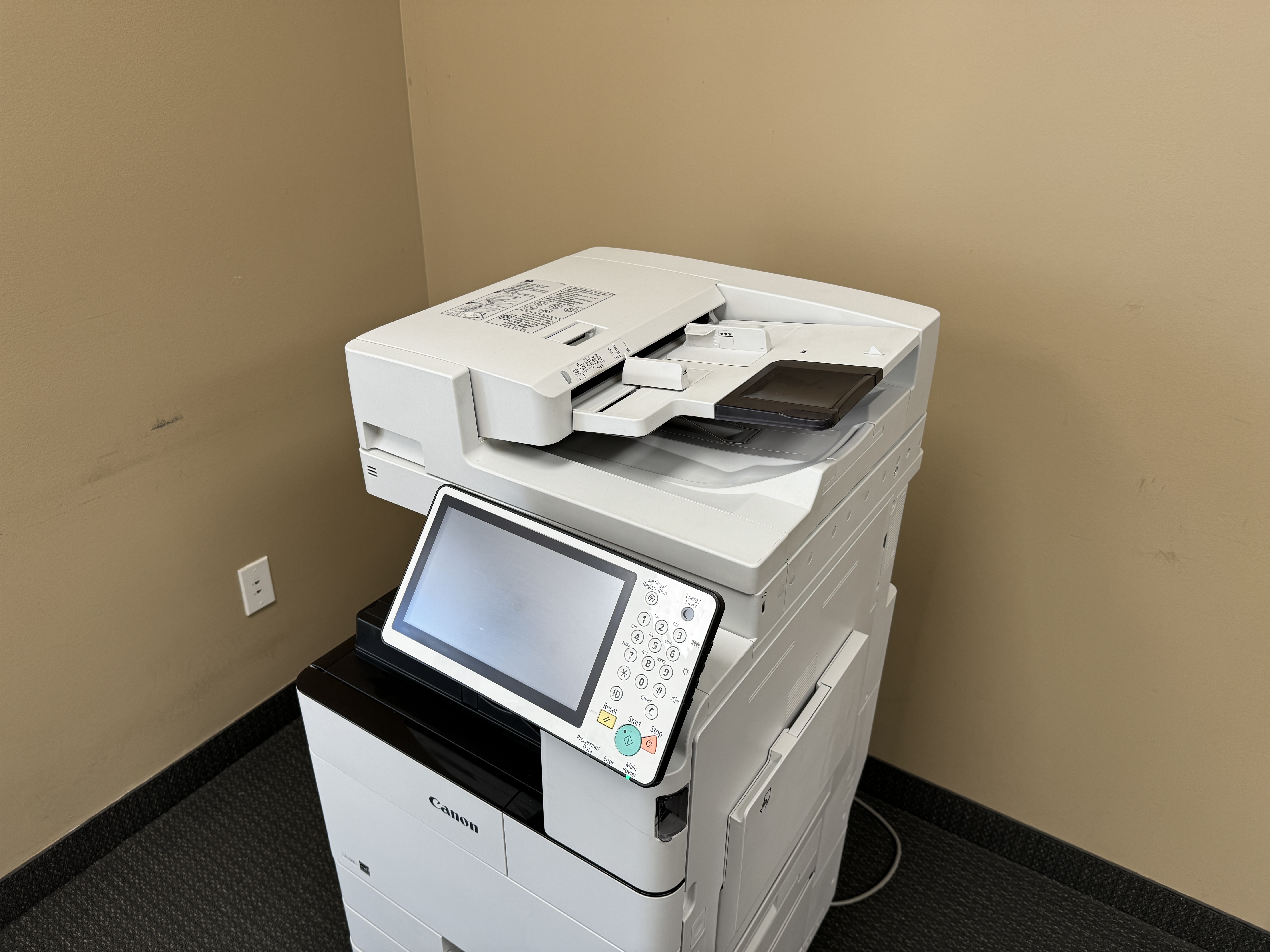

Pros and Cons of Leasing a Printer
When businesses are trying to decide if they should lease or buy a printer, there’s a lot to think about. Leasing can be appealing for several reasons but also has its downsides.
On the plus side of leasing:
- You don’t have to pay as much money at the start compared to buying a new copier.
- It lets you use the latest printing tech without having to spend lots of cash upfront.
- At the end of your lease term, you have the option to switch up and get a newer model.
- Spreading out payments over time helps with managing your cash flow better.
- The deal usually includes service and maintenance which gives you peace of mind since you won’t have worry about extra costs if something goes wrong.
However, there are cons too:
- Over time, what you pay each month could add up and end up being more than what it would cost just buying one outright in the long run.
- You don’t really own it; so less control over how it’s used or modified
- -With leasing comes an obligation that means sticking strictly by their rules until your contract ends
In summary, going for a lease might make sense especially for small businesses or those whose needs may change down line. This way gets them access advanced technology right away without heavy initial investment while offering flexibility future upgrades.

https://www.straight.com/living/why-leasing-a-business-copier-is-better-than-buying
Long-term Cost Implications of Leasing vs. Buying
When thinking about the costs in the long run, companies need to look at all the expenses tied to either leasing or buying a commercial printer. Leasing might seem cheaper at first and offers more freedom, but it doesn’t always give you the best value over time.
With leasing, you’re stuck with monthly payments that can really add up as time goes on. After a while, these payments could end up costing more than if you had just bought the printer from the start.
On the other hand, buying a printer means paying a lot upfront but then not having to worry about those ongoing lease payments. Sure, it’s more money right away, but owning your printer lets you do what you want with it without any extra fees.
To figure out which path is better for them in terms of total costs and getting their hands on something valuable for printing needs in both short term and long run scenarios , businesses should think carefully about how much they print now and what they plan to do later down line . They should also crunch some numbers comparing different options’ prices over how long they expect to use this equipment before making their choice. Additionally, it is important to consider the print speed of the copier, as a high speed copier that produces 44 pages per minute (PPM) may be necessary for larger print jobs, while a smaller office may only require a copier with a speed of 10-20 PPM.
Strategies to Optimize Your Printer Lease Agreement
When it comes to making the most out of your printer lease, there are a few smart moves you can make to ensure you’re getting the best deal that fits exactly what your business needs. Here’s how:
- Talk about the terms: It’s okay to discuss and push back on lease terms with leasing companies. You want something that matches both your budget and requirements.
- Don’t go overboard: Take a good look at what you really need in terms of printing capabilities. Choose a printer that has just what is necessary for your work without falling for extra features that bump up the cost.
- Do some digging on leasing companies: By comparing different companies, looking at their lease rates, services they include, and checking out customer feedback, you’ll be able to pick one that’s reliable and doesn’t hurt your wallet too much.
- Think about refurbished printers: Going for a refurbished model could save money while still giving you quality performance. These machines have been checked over thoroughly, fixed up if needed, and usually come with some kind of guarantee.
- Lean towards shorter leases: Opting for shorter periods when leasing means more freedom to update as newer models come out or as technology advances change things up in printing solutions.
By following these steps carefully businesses can find themselves enjoying lower costs while having access to equipment perfectly suited for their unique demands.

Negotiating Better Lease Terms
When it comes to getting a commercial printer on lease, it’s really important to work out the best deal possible. This means you’ve got to pay attention to how long you’re leasing for, what your monthly payments are going to be, and which company you decide to go with. Doing this can help cut down costs and make sure you’re not spending more than necessary.
For starters, thinking about how long your lease will last is key. If you go for a longer period of time, usually your monthly cost goes down. But that might lock you in when newer printers come out or if what your business needs changes. With shorter leases, there’s more room to move but expect those monthly bills could be a bit higher. It all depends on where your business is headed and finding the right balance.
Then there’s talking down that monthly payment amount – super important! Looking around at different companies and seeing who offers what can give businesses an edge in negotiations by knowing the lay of the land regarding lease rates from various leasing companies . Being upfront about how much money they’re looking at spending along with their ideal terms helps get everyone on the same page for something fair.
Lastly, picking which company handles your leasing matters big time too! A deep dive into research including customer feedback gives insight into firms known for being straight shooters with clear-cut agreements as well as top-notch service after signing up – making sure businesses snag great deals without any headaches later over service issues or hidden fees.
Tips for Reducing Total Leasing Costs
For smaller businesses watching their budgets, cutting down on leasing costs is key. They need to look at what they really require, dodge extra fees, and get the most bang for their buck when it comes to leasing.
To start with, these companies should think hard about what they actually need from a printer. Picking one that matches their needs without fancy extras can help avoid paying more for high-end models they don’t need. By focusing on a printer that does exactly what they want, small firms can keep lease expenses low.
Then there’s looking at the whole cost of having the leased equipment – this means thinking about upkeep, fixing things when they break down and replacing toner cartridges. Sometimes your lease deal covers this stuff but check if it’s actually good quality support you’re getting. Going for a full service package gives peace of mind because you won’t be hit by unexpected expenses later on.
Lastly, comparing lease rates offered by different leasing companies is smart shopping. You’ve got to weigh up how reputable these companies are along with how good the leased gear is and whether you’ll get solid customer care from them or not.
Choosing wisely here means less spending overall while still getting dependable printing solutions that work well.
Maintenance and Support for Leased Printers
When you lease a printer, it’s really important to think about maintenance and support. This means making sure the printer works well all the time and not having to spend money you didn’t plan on spending. To do this right, businesses need to look closely at how much maintaining the printer will cost, what kind of service contract they have with the leasing company, and how good that company is at helping out when needed.
With a service contract in place between your business and the leasing company, both sides know exactly what kind of maintenance help and support services are included. It’s key for businesses to go through this agreement carefully so they understand completely which parts are covered by it without extra charges popping up later.
Keeping leased printers running smoothly for as long as possible also depends on regular upkeep. By staying on top of maintenance work, companies can catch small issues before they turn into big headaches. Planning ahead for these costs is part of figuring out if leasing makes sense financially.
On top of that, thinking about how quickly and effectively a leasing company responds when problems arise matters too. Having experts who show up fast can make or break whether downtime messes with daily operations or not. Choosing a leasing partner known for their solid support team ensures any concerns get handled swiftly.

Understanding Service Level Agreements (SLAs)
A service level agreement, or SLA for short, is basically a deal between the company that’s leasing out printers and the business using them. It spells out who has to do what when it comes to keeping those printers running smoothly. Getting how these agreements work is key for businesses wanting peace of mind and clear expectations about their printer support.
With an SLA, you’ll see stuff like how fast they have to respond if there’s a problem, how quickly they need to fix things, and what kind of help they’re supposed to provide. This makes sure the leasing company sticks to its promise of looking after the leased printers properly.
Before signing anything, companies should really dig into these SLAs so they know exactly what rights and duties they have. This means figuring out how to let the leasing firm know when something goes wrong with a printer or asking for help in fixing issues—and even knowing how far you can push matters if things aren’t going as planned. Being on top of communication helps avoid any mix-ups or arguments during the lease term.
So by getting all this straight from day one—what’s expected in terms of maintenance and support—businesses can feel confident that their leased printers will be taken care of just right throughout their lease.
Managing Maintenance Costs and Responsibilities
Keeping on top of maintenance costs and duties is key to cutting down leasing bills and steering clear of surprise expenses. By making a plan for these costs ahead of time, companies can keep things running smoothly without the fear of sudden financial demands.
For starters, with an eye on their service contract from the lease provider, businesses should figure out what’s included and what might cost extra. It’s crucial to ask questions if anything seems unclear and work out terms that fit well with both the company’s needs and its wallet.
Next up, it’s wise for companies to stay ahead by keeping leased printers in tip-top shape before any big problems pop up. Doing simple stuff like cleaning regularly, swapping out toner when needed, and fixing small issues right away can save a lot from hefty repair bills or having your printer out of action.
And then there’s planning for those unexpected maintenance hiccups that no amount of foresight can prevent. Having some money set aside just in case something goes wrong means a business won’t be caught off guard financially if their leased printers hit a snag.
By smartly handling maintenance costs and tasks related to them, businesses not only manage their leasing fees better but also ensure they get steady performance from their leased printers without interruption.
Future-Proofing Your Printer Lease Agreement
To make sure your printer lease agreement stays up-to-date, it’s important to think about how new technology might change things. You want to be able to switch things up as needed so you’re not stuck with old printers or paying too much.
For starters, with the fast pace of tech changes in printing, picking printers that have all the newest bells and whistles means you won’t fall behind when what you need from a printer changes.
Then there’s making sure your lease has some wiggle room. This means being able to get newer models when they come out, changing the agreement if what you need changes, and having options like extending the lease or ending it early without a big fuss.
By doing this kind of planning ahead for your printer leasing needs, businesses can keep up with tech updates without breaking the bank and make sure their printing setup is always top-notch.
Considering Technology Upgrades in Your Lease
When you’re thinking about your lease, it’s really important to keep technology updates in mind. This helps make sure you always have the latest and greatest stuff, like printers that can do more things faster. If you don’t stay updated, old equipment could slow down your work and end up costing more money over time.
During the talks about your lease agreement, look into how you can switch to newer models while still in the middle of your lease term. Maybe there’s a printer out there that’s quicker or has cool new features perfect for what your business is growing into.
By keeping an eye on tech upgrades in your lease, companies can work smarter and faster. They’ll also stay ahead of the game without wasting money on outdated equipment.
Flexibility in Lease Terms for Emerging Needs
Having the option to tweak lease agreements is crucial for businesses to keep up with new demands and changes. It’s important when you’re talking about leases, especially with the leasing company, to stress how vital it is that these terms can be adjusted. This might mean being able to change your agreement details, switch out old models for newer ones, or even end the lease sooner if you need to.
With this kind of flexibility in their leases, companies can better handle whatever comes their way. They’ll be ready for new chances as they come up and make sure they’re using the most effective and affordable printing solutions that fit what they specifically need.
The Impact of Digital Transformation on Printer Leasing
With the rise of digital tech, how companies use and pay for printers is changing a lot. As more businesses switch to digital ways of working, they’re thinking differently about what role printers play and how much they should spend on them. It’s really important to get how this shift affects leasing costs if you want to manage your money well.
Because of all these changes, companies don’t need to print as much stuff anymore. They’re focusing more on saving money now that everything’s going digital.
To keep up with these changes, it’s smart for businesses to look at the new trends in their field and figure out exactly what they need from a printer. By making sure their lease agreements match up with these needs, companies can cut down on printing expenses while still getting the right setup for their digital tasks.
How Digital Trends Affect Printer Use and Costs
With the rise of digital trends, how companies use printers has changed a lot, and this change comes with important cost considerations. It’s really important for businesses to get what these changes mean for using printers and how it affects costs, especially when it comes to lease expenses.
Because more documents are now digital and workflows have gone online, there’s less need to print stuff out. This means companies aren’t using their printers as much as before.
With fewer things being printed, the terms of leasing agreements might not fit anymore. Companies should take a good look at how much they actually need to print and make sure their printer leases reflect that. Sometimes this could mean talking about lower monthly payments or looking into different types of leasing deals that match up better with not needing to print so much.
By keeping an eye on how digital shifts impact printing needs and costs, businesses can make sure they’re getting the right deal on their printer leases—paying only for what they truly use.
Leveraging Digital Tools to Manage Leasing Costs
Using digital tools can really help companies handle their leasing and printing costs better, making them more productive and efficient. With these tools, companies can make sure they’re only printing what’s necessary, which saves money.
For starters, by using systems that manage documents digitally, businesses don’t have to print as much. This means less spending on paper and ink.
Then there’s software for managing how much you print. It lets companies see exactly how much they’re printing so they can cut down on waste and save some cash.
So when businesses use these digital options wisely, they get a clear picture of their printing needs. They find out where they can cut back to lower leasing expenses without sacrificing quality or productivity. Plus, it’s a step towards being more eco-friendly at work.
Conclusion
Wrapping things up, if you want to cut down on the total costs of leasing a printer for your business, it’s all about getting to grips with what goes into a lease agreement. You’ve got to look at everything from how long the lease lasts, any extra fees that might pop up unexpectedly, and those sneaky hidden charges. When thinking about whether leasing or buying is better for you in the long run, weigh out which one will hit your wallet less hard over time. To really get ahead in managing your printer lease expenses effectively:
- With an eye on reducing overall spending and securing terms that work in your favor.
- By making sure you’re set for future changes through upgrades.
- And by keeping up with digital advancements to manage costs smarter.
It’s also smart to periodically check if your current printing setup still matches what your business needs as it grows or shifts direction. This way, staying sharp and forward-thinking can help make sure handling a commercial printer lease doesn’t end up costing more than necessary.
Frequently Asked Questions
What Are the Benefits of Leasing Over Buying a Printer?
When you lease a printer instead of buying it, there are quite a few perks. For starters, companies can save money and keep more cash in their pocket. This way, they don’t have to spend a lot on the get-go for things like maintenance or fixing stuff if it breaks down. With leasing, businesses also get to switch up their printing gear for newer tech as soon as it comes out without much hassle.
By going with leasing, companies dodge those big initial costs that come with buying a printer outright. Plus, this option gives them the wiggle room to change their printing setup whenever their needs shift around.
How Can Businesses Minimize Extra Costs in Printer Leases?
Companies can cut down on unnecessary expenses related to printer leases by really thinking about what they need in terms of printing. By talking things through and agreeing on lease conditions, as well as using smart methods like print management software and systems for handling documents digitally, a lot of money can be saved.
What Should Businesses Look for in a Lease Agreement?
When businesses are on the hunt for a lease, it’s crucial they pay attention to several important details. These include how long the lease will last (lease term), what they’ll have to pay each month (monthly lease cost), how much wiggle room there is in terms of changes or adjustments (flexibility), and what kind of help or upkeep is included (maintenance and support services). It’s really important for them to talk things through so that these conditions work well with what the business specifically needs.
How Often Should a Business Reevaluate Its Printer Leasing Needs?
To stay on top of their game, businesses need to check in on their printer leasing agreements now and then. With growth comes more work, and often, the demand for printing goes up too. This might mean they’ll need printers with fancier features or better performance. By taking a good look at what they currently have versus what they need, companies can make sure they’re getting the most out of their lease deals while keeping up with any changes in how much printing they do.


