

Key Highlights
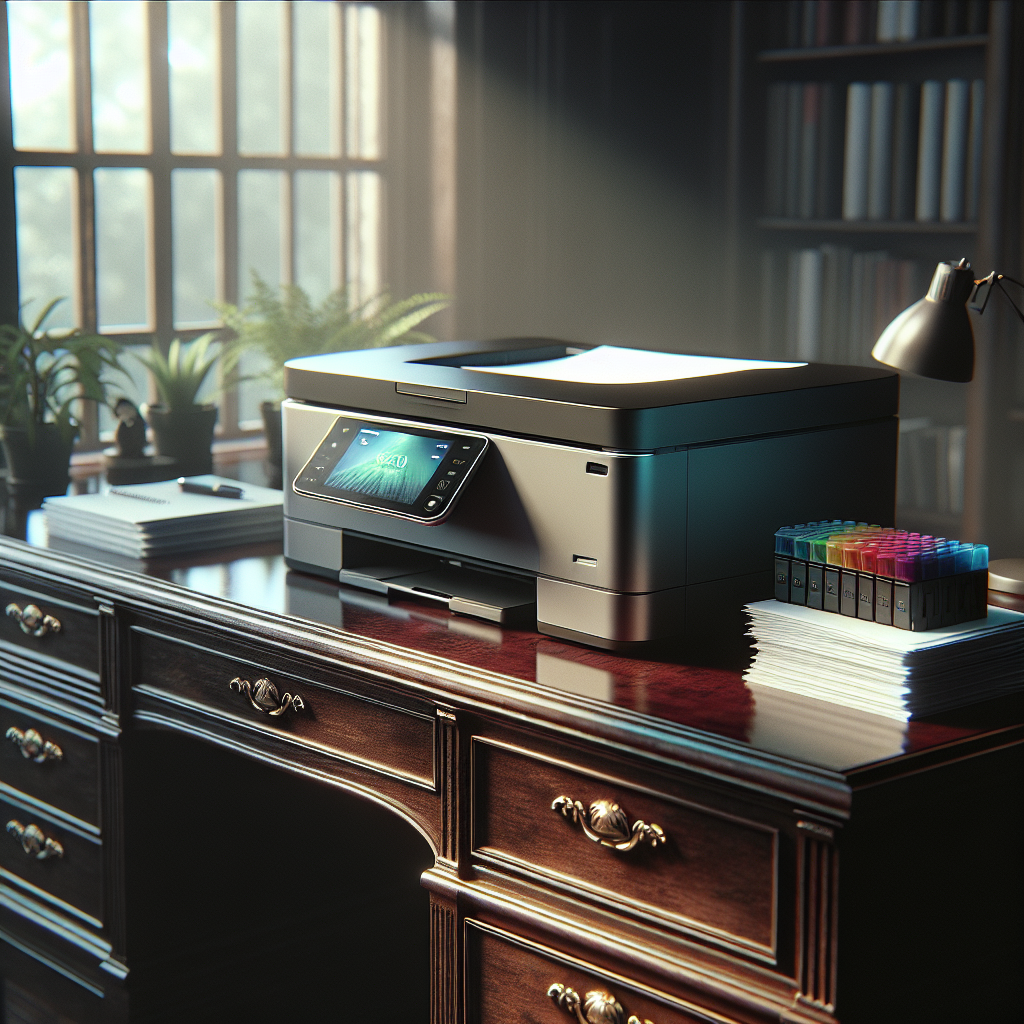
For small businesses looking to save some dollars, leasing a printer can be a smart move. It not only helps in saving money but also gives access to efficient equipment that’s up-to-date. With printer leasing, you get the perks of cost efficiency, cutting-edge technology, and support for maintenance all wrapped into one. When thinking about getting a lease for your business printer, it’s important to first figure out what your printing needs are and pick the right kind of printer that meets those needs.
On top of this, understanding the terms and conditions tied with these leases is key—especially when it comes down to flexible contracts and avoiding hidden fees which could sneak up on you. By opting for leasing over buying outrightly; small businesses can keep themselves equipped with the latest tech in printers which boosts productivity by making workflows smoother.
When choosing who to lease from—a reputable print provider should be at the top of your list along with considering how good their customer service is and where they’re located relative to you. This ensures not just quality but also convenience whenever any issues or questions pop up regarding your leased equipment.
Introduction
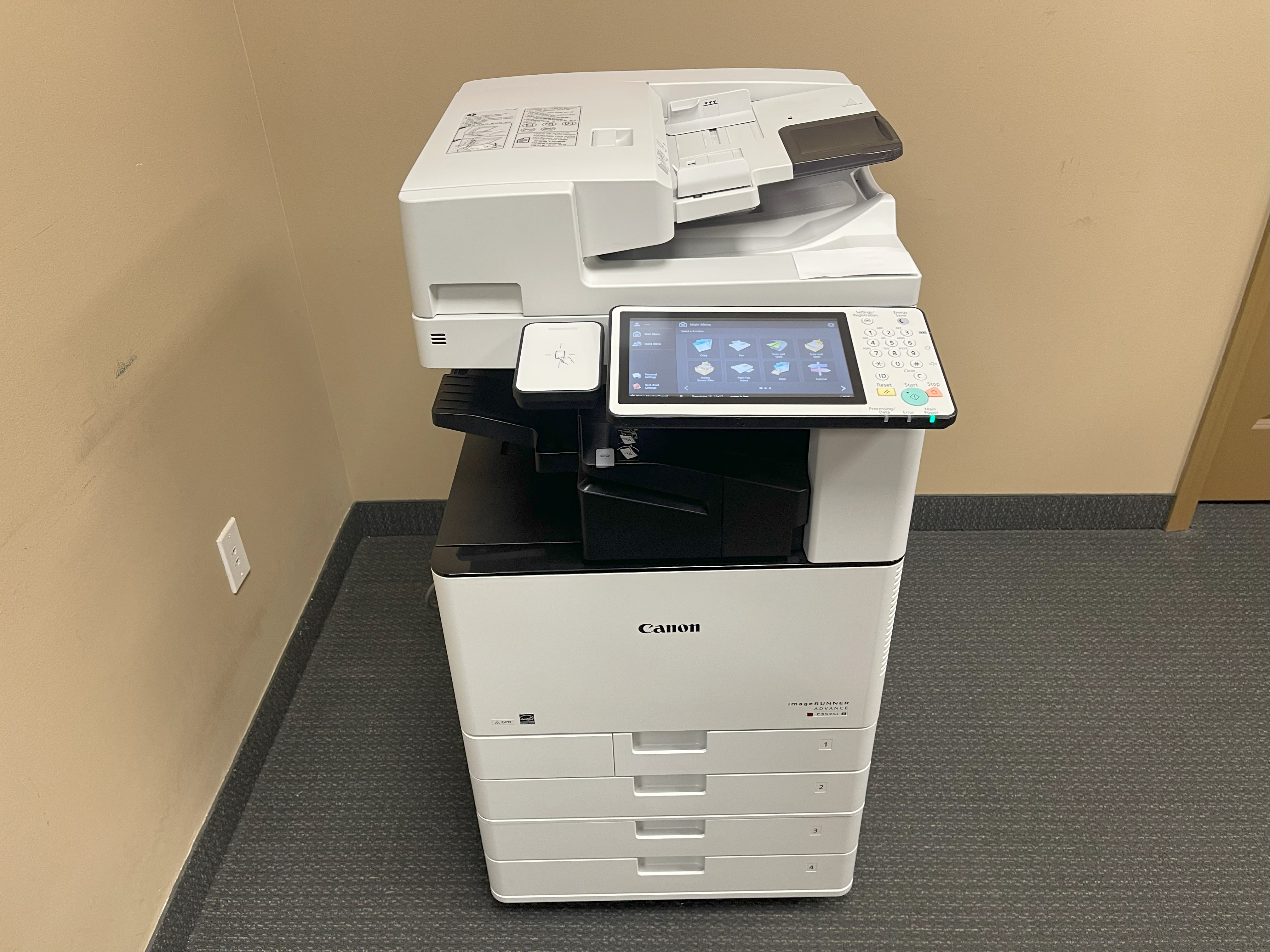
For small businesses, deciding to lease a printer can be really smart. It lets you use the latest printers without having to pay a lot of money right away. With printer leasing, you get flexibility and control over your costs, plus it’s comforting to know that help with maintenance is part of the deal. Getting why printer leasing works and how it fits your business printing needs is key. This guide lays out the benefits and things to think about so you can manage your printers better. By making well-thought-out choices, you’ll improve how your business handles printing tasks and boost productivity overall.
Understanding Printer Leasing for Small Businesses
For small businesses, going for printer leasing is a smart way to handle print services. This method means you rent the equipment for a certain time and get perks like using the latest technology without paying a lot upfront. It’s important to know some key things before jumping in, such as what it’s really worth (fair market value) and any extra fees that might come up. Leasing not only makes updating your gear easy but also ensures help is there when you need it, giving business owners one less thing to worry about. When picking out a leasing company, looking at how long the lease lasts, how much wiggle room there is in terms of flexibility, and what you’ll be paying each month are all critical factors.
The Basics of Business Printer Leasing
When you’re thinking about getting a printer for your business through leasing, it’s really important to get the basics down first. With a lease agreement, your company can use the printer by paying every month until the lease is up. When we reach the end of the lease, usually, you have to give back the printer to whoever gave it to you in leasing. This way of doing things lets businesses have good printers without needing to pay a lot of money all at once. It’s super important that you understand everything about how long your lease will last, any extra fees that might pop up and what choices you have when your lease ends if you want this whole leasing thing to work out well.
How Leasing Differs from Buying
When you lease a printer for your business, it’s different from buying one outright. Instead of paying all at once, you make monthly payments to a leasing company. At the end of the lease, there’s an option to upgrade to a printer with the latest technology, which is great for keeping up with changes in your business needs. Leasing usually comes with added benefits like maintenance services and support throughout the lease term, giving you peace of mind and making costs predictable every month. Unlike when you buy a printer and have to deal with varying expenses, leasing helps keep cash flow steady thanks to fixed monthly costs.
https://www.accounts.xerox.com/auth/login.jsf
https://americanhistory.si.edu/collections/search/object/nmah_1085916
Advantages of Leasing a Business Printer
Leasing a printer comes with the big plus of being cost-effective, especially for small businesses. It lets them handle their printing costs better because they just have to make monthly payments that don’t change much. With leasing, you also get your hands on the newest technology without having to pay a lot before you even start using it. On top of this, there’s no need to worry about keeping the equipment running smoothly or fixing it if something goes wrong; that’s all covered by maintenance and support services from experts who know what they’re doing. This gives business owners peace of mind knowing their printing needs are in good hands with efficient equipment that works well thanks to these specialists’ help. By choosing leasing, companies can always be up-to-date with technological advances without the hassle of dealing with old gear.
Cost Efficiency and Budgeting Benefits
For small businesses, getting a printer on lease can really help save money and make budgeting easier. When you go for a lease agreement, you don’t have to worry about the big costs that come with buying office equipment right away. With monthly payments during the lease term, it’s simpler to manage your cash flow because you know exactly what your expenses will be every month. This setup lets companies plan their finances better and use their funds more wisely without having to deal with all the costs of owning equipment. On top of that, leasing usually means maintenance is taken care of too, so there are no surprise repair bills throwing off your budget for printing needs.
Access to Advanced Technology
When you lease a printer for your small business, one of the biggest perks is getting your hands on advanced technology without having to pay a lot upfront. Leasing companies usually have the newest models with all the cool features, making sure your business has efficient equipment. With a lease agreement, staying up-to-date with tech doesn’t mean spending tons of money right away. This way, you get to use top-notch commercial printers that not only boost productivity but also make printing tasks much smoother and easier.
Maintenance and Support Services
When you lease a business printer, having maintenance and support services is super important. A good leasing company will always make sure your printer works well by offering ongoing maintenance during the whole time you’re leasing it. On top of that, if something goes wrong or gets confusing, they have a team ready to help out quickly with any problems. This kind of backup gives small businesses less to worry about because they know their office copiers and commercial printers are in expert hands. It really helps keep everything running smoothly at work, cuts down on times when the printers aren’t working, and keeps everyone productive.
https://en.wikipedia.org/wiki/IT_service_management
https://garage.ext.hp.com/us/en.html
Evaluating Your Business Printing Needs
Looking into what your business needs when it comes to printing is key to making everything run smoother. By taking a close look at how much you need to print and what exactly you’re printing, you can figure out the best printer for your company. It’s all about knowing what your business really needs so that the printer you choose fits perfectly with how things work around there and doesn’t break the bank. Tailoring your printing setup specifically for these needs means better performance without wasting money or resources. Making smart choices here helps tidy up your whole printing routine efficiently.
Assessing Your Printing Volume and Requirements
When thinking about leasing a printer for your business, it’s really important to know how much printing you do and what specific needs your business has. By looking at how many prints you make on a regular basis, you can figure out which printer is the right fit for you. On top of that, by understanding exactly what you need from a printer – like whether it needs to print in color, scan documents or handle different sizes of paper – helps ensure that the model you choose matches up well with what your business does. This way, the printer lease works best for your operations and helps save money while keeping things running smoothly.
Choosing the Right Type of Printer for Your Business
When picking out a printer for your business, it’s important to think about how much you’ll be printing and what you need the printer to do. Start by figuring out if speed, quality, or saving money is most important to you. Depending on the kind of jobs you have, like different types of printing tasks, choosing between an inkjet or laser printer can make a big difference. By really understanding what your business prints regularly, you can find a printer that makes work smoother and boosts how much gets done. Going with the right tech solutions helps make your printing setup more efficient and cuts down on spending too much on gear that isn’t necessary.
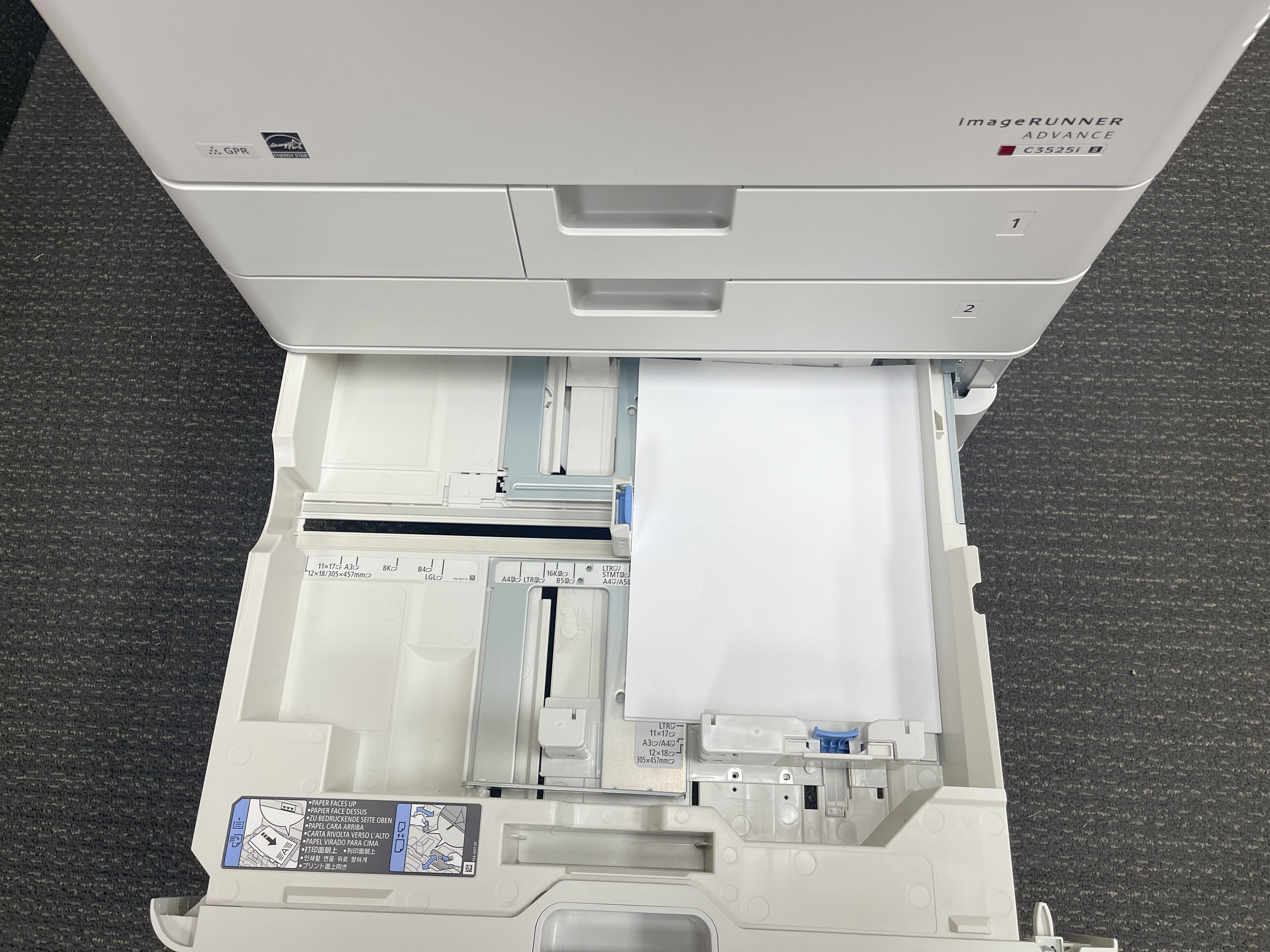
https://workforcenow.adp.com/jobs/apply/posting.html
Key Considerations in Printer Leasing Agreements
For small businesses, getting to grips with the details in printer leasing agreements is really important. It’s all about fully understanding what you’re signing up for so you don’t get hit with costs you weren’t expecting. With flexible contracts, it’s easier to make sure that what you need matches up nicely with how long the lease lasts and considering the fair market value at the end of your lease can change how much everything ends up costing. Looking closely for any hidden fees helps keep your budget on track. Making sure everything is upfront and clear means a better deal when leasing a printer.
Understanding Lease Terms and Conditions
The agreement between the leasing company and the person renting from them is detailed in lease terms and conditions. These usually include important points like how long the lease will last, what you’ll pay each month, choices when your lease ends, and extra charges that might come up. It’s really important for small businesses to go over these details with a fine-tooth comb to make sure everything’s fair. Getting to know all the ins and outs helps avoid any unexpected surprises or sneaky hidden fees down the line. With a good understanding of all this stuff about leasing, companies can feel more confident stepping into such agreements, making for a smoother experience overall.

The Importance of Flexible Contracts
For small businesses, it’s really important to have printer leasing agreements that are flexible. With these kinds of deals, you can make changes as your business grows or needs change, making sure you’re always getting the most out of the printers you lease. This flexibility means if what you need from your printing setup changes, you’re not stuck with a plan that doesn’t fit anymore. It helps keep things running smoothly and cost-effectively over time. By going for leases that let you adjust terms easily, companies stay nimble and better at handling their print needs which is great for keeping operations sharp and productive.
Hidden Costs and Fees to Watch Out For
Leasing a printer can be really helpful for small businesses, but it’s key to watch out for any hidden costs that might pop up. When you’re looking into leasing, some companies might tack on extra charges like keeping the machine running smoothly or help when something goes wrong, and these aren’t always covered in your monthly payment. Before you agree to anything, make sure you go through the lease agreement with a fine-tooth comb and ask about any sneaky fees.
Towards the end of your lease term, there’s also something else to keep in mind regarding how much it’ll cost if you decide to buy the printer based on its fair market value at that time. Some agreements will have rules saying if you want to hold onto the equipment after your lease is up; there could be an additional fee or purchase price involved. It’s super important to get all this straight so that when budgeting for leasing a business printer from a leasing company doesn’t hit with unexpected expenses later on.
https://www.accounts.xerox.com/auth/logout.jsf
Steps to Lease a Business Printer
When you’re thinking about leasing a printer for your business, there are some steps to follow so everything goes smoothly. First off, start by looking around at different companies that offer leases and compare what they charge and the services they provide. This step is crucial for small businesses to pick a leasing company that fits exactly what they need.
After finding the right company, it’s key to go through the lease agreement with a fine-tooth comb. This paper will tell you all about how much you’ll pay every month, how long the lease will last, and any extra costs or things you have to do. It’s really important for small businesses to get what each part of this agreement means before agreeing to anything.
Researching Potential Vendors
When looking for a business printer to lease, it’s crucial to do your homework and find a leasing company that’s both trustworthy and experienced. Small businesses in particular should aim for companies that focus on print services and have proven themselves reliable over time.
For small businesses wanting to vet potential vendors, starting with recommendations from people they know or industry groups is a smart move. On top of this, an online search can reveal copier leasing companies worth considering. Reading what other customers have said about their experiences is key to understanding how good the vendor’s customer service is and if they’re dependable.
After pinpointing some promising vendors, reaching out directly becomes the next step. This allows small businesses to talk through what they need in terms of copier leasing or printer needs and ask for pricing details. By doing so, comparing different offers becomes easier which helps in making choices that are well-informed.
Comparing Quotes and Services
After looking into different leasing companies, small businesses should stack up the quotes and services each one offers. It’s key not just to look at how much it costs but also what kind of service you’re getting for your money.
When checking out these quotes, it’s crucial for small businesses to make sure they’re paying a fair price for the equipment and services they plan to lease. They need to think about how much they’ll be paying every month and any extra charges that might pop up in the lease agreement.
Beyond just the cost, small businesses have got to take a good look at what reputation and know-how the leasing company brings to the table. A top-notch print provider will deliver great customer care, help with tech issues, and keep things running smoothly by looking after their equipment well.
By doing this comparison of both prices and services offered, small businesses can pick wisely among various options. This way, they end up choosing a leasing vendor that fits perfectly with what they need.
Finalizing the Lease Agreement
After picking a leasing company, small businesses should take their time to go through and wrap up the lease agreement. This paper is an official deal that spells out all the details of the lease.
With things like how long the lease will last, what you have to pay every month, and any extra costs or duties mentioned in it, it’s really important for small businesses to understand everything in this document before they agree to anything. Knowing these details inside out helps avoid unexpected problems or confusion down the line.
On top of that, thinking about how much the leased equipment will be worth when your lease is over matters too. Some leases might ask you to buy this equipment at its current market price or give it back once your contract ends. Getting a handle on these conditions early on can guide small businesses as they think ahead and make smart choices regarding their leased items after their agreement comes to an end.
https://www.ibisworld.com/united-states/market-research-reports/computer-printer-leasing-industry/
https://www.irs.gov/publications/p946
Common Mistakes to Avoid in Printer Leasing
Leasing a printer can be really helpful, but small businesses need to watch out for some common traps to make sure they get the most out of it. For starters, picking the wrong kind of printer that doesn’t fit what your business actually needs is a mistake you want to avoid. It’s all about knowing exactly what your printing demands are and choosing a machine that matches them.
On top of this, there’s no point in spending money on fancy printers or extra features you won’t use. Stick with leasing something that does what you need without going overboard; this way, you don’t end up paying more than necessary.
Also, hidden fees can sneak up on you if you’re not careful. By taking a close look at the lease agreement and making sure everything is clear from the start, unexpected costs won’t catch you off guard later down the line.
Overlooking the Total Cost of Ownership
When small businesses decide to lease a printer, they often miss considering the full cost that comes with it. Leasing might seem cheaper at first than buying one outright because of the lower initial costs. However, over time, there are other expenses to keep in mind. These include the monthly payments for leasing, costs related to printing like ink and paper, along with any extra fees or charges mentioned in your lease contract. By taking a close look at what your lease entails and figuring out all these costs beforehand, small companies can better judge if leasing fits their budget and meets their printing demands. On top of this, it’s crucial not to overlook any hidden fees that could pop up according to your agreement with the leasing company. Making sure you understand every part of your contract by asking questions whenever something isn’t clear can save you from unforeseen expenses down the line.
Ignoring the Print Quality and Speed
When you’re thinking about leasing a printer for your small business, it’s really important to look at how good the prints will be and how fast it can print. If you don’t pay attention to these things, you might end up unhappy and not getting things done as quickly as you’d like. The quality of what gets printed matters because it shows how clear and sharp your documents will turn out. You’ll want a printer that makes everything look top-notch so that all your business stuff appears professional. On the speed side of things, which is usually talked about in pages per minute or ppm, picking a faster printer means big printing tasks won’t slow you down too much; this helps everyone stay productive. Also, think about if the printer can do duplex printing—that’s when it prints on both sides of the paper without anyone having to flip anything over manually. It’s great for saving paper and time! So by taking a close look at print quality, speed, especially ppm rates, and whether duplex printing is an option, you’ll make sure your small business ends up with a printer that fits just right with what needs doing.
Conclusion
When you think about getting a printer for your small business, leasing one can be really smart. It helps save money, lets you use the latest printers, and means someone else handles fixes. Before saying yes to a deal, it’s important to figure out what kind of printing stuff you need to do, look into different companies that lease printers, and get the lowdown on all the agreement details. Make sure not to miss checking how much it’ll actually cost in the long run and remember that how well and fast it prints matters a lot. If something goes wrong while using the leased printer or if there’s new tech available later on during your lease term, don’t hesitate asking about fixing it or switching things up with an upgrade. Also knowing about tax perks and staying alert for any extra charges hidden in fine print is key for making this work out great without overspending. By keeping these points in mind, you’ll make choices that keep your printing needs covered without messing up your budget.
Frequently Asked Questions
What Happens if the Printer Needs Repair or Maintenance?
When you lease a printer and it needs fixing or some upkeep, most companies that offer leasing include maintenance support in their lease agreement. This arrangement can really help small businesses relax, knowing experts will take care of their printer issues. With some companies, you even get the whole package – regular upkeep and help with any problems that come up. If they can’t fix your printer quickly, they’ll usually lend you another one so your business doesn’t have to stop everything just because of this hiccup. By going for a lease option, you also get to tap into having more than one printer at your disposal; meaning if something goes wrong with one machine, there are backups ready to keep things running smoothly.
Can I Upgrade My Printer During the Lease Term?
In most situations, you can switch to a better printer while you’re still leasing the old one. Leasing companies get that tech moves fast and they let you upgrade to newer, more efficient gear. This way, your business keeps up with the latest technology and gets stuff done more smoothly. Swapping out your printer during the lease term could make things run smoother at work and bump up the quality of what you print. It’s key to chat with your leasing company about how upgrades work and look over your lease agreement carefully so you know all about any possible costs or rules tied to getting an upgraded printer.
Is It Possible to Cancel a Printer Lease Early?
Canceling a printer lease before it ends can indeed lead to extra charges. When you sign a lease agreement, you’re entering into a legal deal that usually doesn’t favor ending things early without some penalties or fees. These additional costs depend on what the lease says and the rules of the leasing company. Before putting your signature on any document, make sure to read through it carefully so you know what could happen if you need to get out of the lease sooner than planned. If there’s even a slight chance you might have to cancel your printer leasing contract ahead of time, talk about this with the leasing company beforehand and try to work out terms that give you some wiggle room for unexpected situations.
How Long Are Typical Printer Lease Terms?
When it comes to leasing a printer, the time you choose to lease for can be different based on what the leasing company offers and what your business needs. Usually, these lease terms can last anywhere from 12 months all the way up to 60 months. A lot of companies that provide leases are pretty flexible with their terms because they understand every business has its own unique needs. If you go for a shorter term, it gives your business more freedom since you can switch out and upgrade equipment more often. On the other hand, choosing a longer term could mean your monthly payments might be lower and give your operations some stability. It’s really important to think about where your business is headed and what it currently requires before deciding how long you want to lease a printer for.
What Should I Do at the End of the Lease Term?
When your lease is up, you’ve got a few choices to think about. If the agreement says so, you might be able to buy the printer for what it’s really worth on the market. Or, you could just give it back to the leasing company. It’s key to look over your lease agreement carefully so you know what you can and can’t do when the lease ends. With some companies that offer leases, they might let you switch out your old printer for something newer or even let you keep leasing it for longer. You should talk this over with them and see which path makes most sense for what your business needs.
Are There Any Tax Benefits to Leasing a Printer for My Business?
Leasing a printer for your business can offer tax benefits. Monthly lease payments may be tax-deductible business expenses, reducing your taxable income. These tax benefits can help improve your cash flow and provide financial relief. It’s important to consult with a tax professional to understand the specific tax benefits available to your business. The table below outlines some potential tax benefits of leasing a printer.
|
Tax Benefits of Leasing a Printer |
|
1. Deduct monthly lease payments as business expenses |
|
2. Reduce taxable income |
|
3. Improve cash flow |
|
4. Preserve capital for other business investments |