

Key Highlights
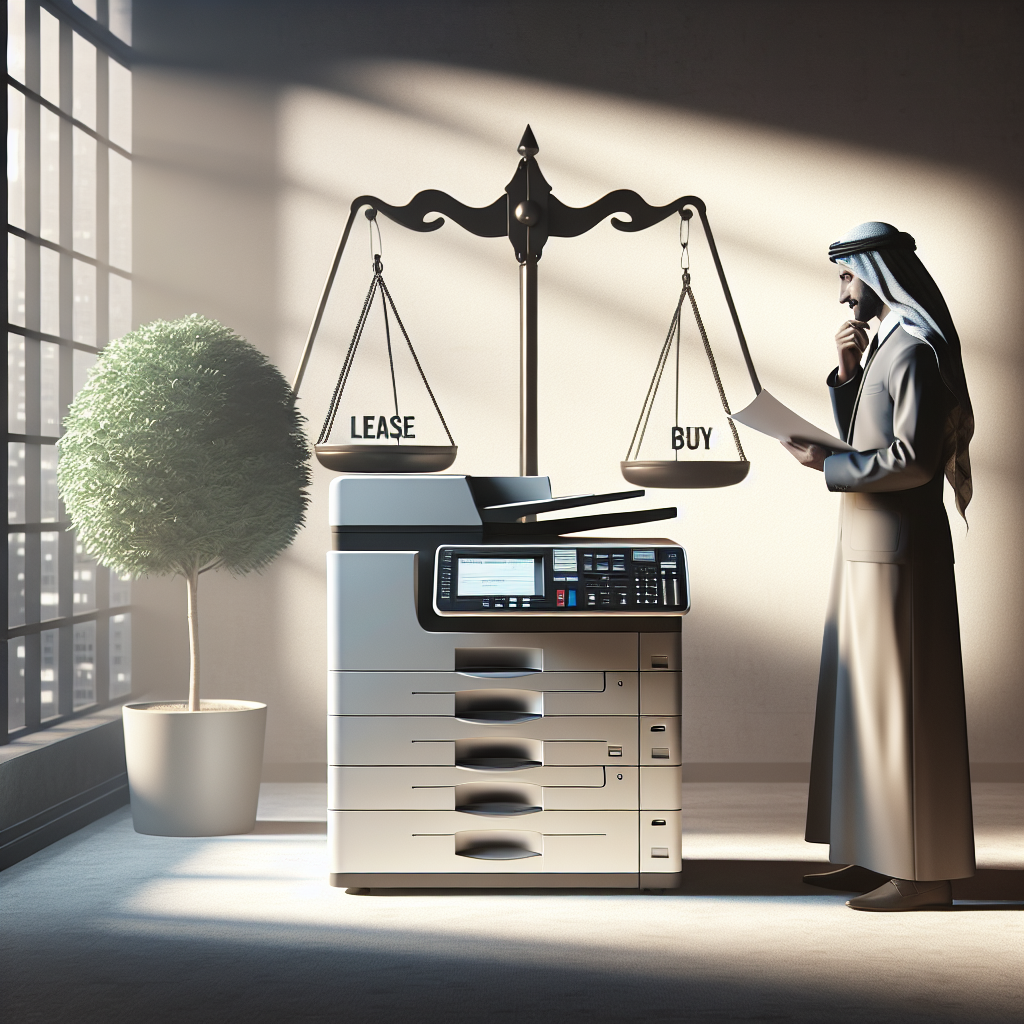
When you lease a copier or printer, you get to use the newest models without having to pay all the money upfront. With flexible payment plans, managing your cash flow becomes easier. Often, when you sign up for a lease, it includes maintenance support services which gives you peace of mind knowing that any issues will be taken care of. However, leasing might end up costing more in the long run compared to buying outright. Also, being tied into a contract could mean there are limits on how much you can customize your equipment. By weighing the pros and cons of leasing versus buying, businesses can figure out what’s best for them considering factors like upfront cost and cash flow management.

Introduction
Choosing between leasing or buying a printer or copier for your business isn’t easy. You’ve got to look at the good and bad sides of each choice carefully, so you can pick what’s best for your company. In this blog, we’ll go over everything you need to know about printer leasing – from its benefits and drawbacks to important terms and things you should consider. By getting down to the basics of how leasing compares with buying, we aim to help you feel sure about the decision that will work well for your business.
Understanding the Basics of Copier and Printer Leasing
When you lease a copier or printer, it means you’re making a deal with a leasing company that lets you use their equipment for a certain amount of time. With this option, leasing companies let you pick from various copiers and printers so that you can get your hands on the latest technology without having to pay all the money upfront. In these deals, there’s usually a monthly fee involved along with how long the lease will last and other rules both sides agree upon. It’s really important to go over the lease agreement carefully to make sure you understand what responsibilities and limits come with it before signing up for anything.
What Does Leasing Entail?
When you lease a copier or printer, it means you’re paying every month to use it for a certain time. This time, called the lease period, usually lasts between 2 and 5 years. While you get to use the equipment all by yourself during this time, it’s not actually yours. At the end of the lease term, there are a few choices: You can either stick with what you’ve got and renew your agreement; switch things up by getting an updated model; or simply give back what you were using. The monthly fee that comes with leasing isn’t just for kicks—it covers both the cost of whatever machine you’re using and any help or maintenance services from those who provided it to begin with.
By looking into your lease agreement carefully before signing off on anything is crucial because sometimes there might be extra costs involved that weren’t initially clear.

Key Terms in Leasing Agreements
When you’re looking into getting a copier or printer on lease, there are some important bits you should know about. First off, fair market value is what the equipment might be worth when your lease time is up. This figure helps decide how much it’ll cost if you want to keep the machine after your lease ends. Speaking of which, the lease term is just how long you agree to rent the equipment for, usually between 2 and 5 years. Then there are those extra fees that can sneak up on you like charges for printing too many pages in a month, insurance costs, and fees if you decide to buy at the end of your agreement.
It’s really key that before signing any lease agreement, understand all these terms well because they affect what happens during and at the very end of the lease term with your chosen copier or printer—especially regarding any additional costs that could pop up.
https://www.accounts.xerox.com/auth/login.jsf
https://www.accounts.xerox.com/auth/logout.jsf
Advantages of Leasing a Copier or Printer
When businesses decide to lease a copier or printer, they get to enjoy quite a few benefits. For starters, they have access to the latest technology in printers and copiers without having to pay the upfront cost that comes with buying them outright. This means companies can always have the newest models that come with cool features. With leasing, there are also flexible payment plans available. This is great because it helps businesses manage their cash flow better; instead of spending a big chunk of money all at once, they can spread out payments over time. This way, they’ve got more money on hand for other important stuff within the company. On top of all this, when you go down the leasing route, maintenance and support often come as part of the deal which gives business owners peace of mind knowing their equipment will be taken care of if anything goes wrong.
Up-to-Date Technology and Equipment
When you lease a copier or printer, one big plus is getting your hands on the newest tech without having to pay all at once. Here’s why it might be a smart move:
- By leasing, companies can use the most recent models and benefit from new advancements in technology for printers and copiers without needing to buy them outright.
- With lots of choices offered by leasing firms, businesses can pick what suits their needs best.
- The latest gear means better efficiency, more productivity, and higher quality when it comes to printing and copying tasks.
- Leasing also lets you switch to an updated model when your lease is up. This way, staying up-to-date with technological progress is easy.
- Having cutting-edge equipment through leasing could put businesses ahead of competitors and cater well to changing customer demands.
Flexible Payment Plans
One good thing about leasing a copier or printer is how it lets you pay in a way that works for you. Here’s what to keep in mind:
- With leasing, companies can spread the cost over time instead of paying all at once when buying. This makes getting a copier or printer more manageable.
- By setting up monthly lease payments, businesses can match expenses with their cash flow. This helps them manage money better and spend on other important stuff.
- Leasing companies usually have flexible terms, so businesses can pick how long they want the lease to last, whether short-term or long-term.
- At the end of the lease term, some deals might let you buy the equipment. This gives businesses even more options and could lead to owning if that’s what they want.
- Having flexible payment plans means companies can plan their budgets and cash flow easier since costs for copying or printing become predictable and easy to handle.
https://americanhistory.si.edu/collections/search/object/nmah_1085916
https://cartridgeworldusa.com/blog/how-much-is-printer-ink-and-toner-costing-you
Maintenance and Support Included
When you lease a copier or printer, it’s common to have maintenance and support services included in the deal. Here’s what this means for businesses:
- With leasing, not only do you get the equipment but also assurance that any problems will be fixed quickly without extra charges.
- This setup offers peace of mind because companies don’t have to stress over unexpected expenses or look for someone else to fix issues.
- For upkeep, things like regular check-ups, fixing broken parts, and replacing stuff like toner or ink are covered.
- On top of that, if there are technical glitches or questions on how best to use your machine, help is just a call away.
- By having these services as part of the lease agreement saves time and effort since businesses won’t need to dedicate extra resources towards looking after these machines.
This approach helps avoid additional costs while ensuring everything runs smoothly.
https://en.wikipedia.org/wiki/IT_service_management
Disadvantages of Leasing a Copier or Printer
When you think about leasing a printer or copier, it’s like getting the best of both worlds at first glance. However, there are some downsides to keep in mind. For starters, over time, you might end up paying more than if you bought one outright. Then there’s being tied down by a contract that can limit what you can do with the machine and not having much freedom to tweak it to your liking. It’s crucial to weigh these cons against the pros before deciding on leasing.
Potential Higher Long-Term Costs
When you decide to lease a copier or printer, it might seem like a good deal at first. But over time, the costs can really add up, making it more expensive than just buying one outright. Here’s what you need to think about:
- With each month that passes by, those payments keep adding up and could end up costing you more than if you had bought a copier or printer from the start.
- On top of your regular monthly payments for leasing are extra fees that can sneak in there too. Things like maintenance charges or fees for going over your usage limit all contribute to what you’ll pay by the end of your lease term. And if at that point you want to own the machine? You’ll have to pay even more.
- Sometimes within your lease agreement, there might be financing charges – this means interest rates or other types of fees which make everything costlier as time goes on.
- It’s crucial when looking into leasing; take some time with the terms laid out in your contract so that by calculating everything together – including any additional costs throughout and possibly after (if deciding upon purchase) – will help figure out whether sticking with leasing is actually saving money for business needs.
By keeping an eye on these points: end of the lease, lease agreement, lease term, additional costs, total cost, end of the lease term, monthly lease payments, along with considering both options between leasing versus buying, should guide towards making informed decisions regarding acquiring equipment such as printers and copiers for professional use
Contractual Obligations and Restrictions
When you decide to lease a copier or printer, it means you’re agreeing to follow certain rules set by the leasing company. Here’s what you need to keep in mind:
- With these agreements, there are specific do’s and don’ts that businesses have to stick with.
- For instance, taking care of the equipment as per the leasing company’s guidelines, using it only for what it was meant for, and making sure it goes back in tip-top shape when the lease is up are part of these must-dos.
- If you don’t play by these rules, there could be extra charges or even legal trouble waiting for you.
- Also on this list might be limits on tweaking or upgrading your machine; so think twice before trying any DIY enhancements!
- Before jumping into a lease agreement , make sure to go through all those terms carefully so that everything about obligations and limitations during your time with their copier or printer is crystal clear.
Limited Customization Options
When you lease a copier or printer, you might not get to tweak it much. Here’s what to keep in mind:
- While leasing companies have various copiers and printers on offer, the chances to make them fit your exact needs are usually more if you buy one.
- You might want to add extra stuff or features so the machine does exactly what your business requires.
- Since the leased equipment isn’t yours but belongs to the leasing company, changing it up can be tricky.
- If being able to customize is super important for your business, buying a copier or printer could give you more freedom in making it suit your needs perfectly.
- Thinking about what your business really needs and how much you can change leased equipment should guide whether leasing works for you.
https://www.costowl.com/b2b/copiers-printers/copiers-leasing-cost/
Comparing Leasing vs. Buying: What’s Best for Your Business?
When you’re trying to figure out if it’s better for your business to lease or buy a printer or copier, it’s really important to look at the pros and cons of both choices. By looking into things like the upfront cost, how much it’ll cost in the long run, what your printing needs are, and whether you need specific features customized for your business, you can make a decision that fits best with what your company needs.
Initial Costs and Budget Considerations
One of the key factors to consider when comparing leasing vs. buying a copier or printer is the initial costs and budget considerations. Here is a breakdown of the costs associated with leasing and buying:
|
Leasing a Copier or Printer |
Buying a Copier or Printer |
|
Lower upfront cost |
Higher upfront cost |
|
Monthly lease payments |
No monthly payments |
|
Additional costs, such as maintenance fees or overage charges |
Ongoing maintenance and repair costs |
|
Option to purchase the equipment at the end of the lease for its fair market value |
Ownership of the equipment |
|
Potential financing charges |
No financing charges |
|
Flexibility to upgrade to a newer model at the end of the lease |
Flexibility to sell or upgrade the equipment |
|
Limited customization options |
More customization options |
By evaluating these costs and considerations, you can determine which option aligns best with your business’s budget and needs.
Evaluating Long-Term Business Needs
When you’re trying to figure out if it’s better for your business to rent or own a copier or printer, think about what your company will need down the road. Look at how much you expect your business to grow, how tech is always changing, and exactly what kind of stuff you need for your office. Renting might be the way to go if keeping up with new gadgets without spending a lot all at once sounds good. With leasing, when the time comes at the end of the lease term, you can switch out old models for new ones easily. This means your office always has access to cutting-edge tools that work great and are up-to-date. On flip side though; owning gives total control over these devices which could suit better if things in biz stay pretty consistent & having full ownership feels right after weighing long-term needs against goals & priorities helps decide best path forward whether that’s sticking with latest technology through leasing or investing upfront in buying office equipment like printers and copiers.
Tax Implications of Leasing vs. Buying
When thinking about getting office equipment like a printer or copier, it’s smart to look at how leasing or buying affects your taxes. With leasing, the money you pay each month can usually be taken off your business income because it’s seen as an operating expense. This move lowers what you owe in taxes. On the flip side, when you buy something like a printer or copier for your office, that cost is viewed more as a big purchase upfront. You might get to spread this cost out over several years through depreciation which could help with tax savings down the line. It’s really important to talk with someone who knows about taxes in your area so they can guide you on what choice fits best with what you want financially for your business in both short and long run scenarios.
https://www.doforms.com/paper-costs-your-business/
Essential Questions to Ask Before Signing a Lease Agreement
Before you sign a lease agreement for a printer or copier, it’s really important to ask some key questions. This helps make sure you know exactly what you’re getting into. Here are the main things to check:
- With regards to upgrading your equipment before the lease term ends, it’s good to find out if that’s an option. Knowing whether you can switch up for something newer or add more gear while still under lease is pretty handy.
- When talking about what happens if your machine stops working right, get clear on the kind of help and repair work (maintenance services) the leasing company will offer. It’s crucial to understand how they deal with broken equipment.
- On top of everything else, inquire about any sneaky extra charges that might pop up but aren’t talked about much at first (like those pesky overage fees when you go past your page count limit).
By asking these points, you’ll have a clearer picture of what signing this contract means and be sure it fits with what your business needs without any surprises down the line regarding additional costs or service expectations from leasing companies
Can I Upgrade Equipment Before the Lease Ends?
Before you sign a lease for a printer or copier, it’s smart to ask if you can switch to better equipment before your lease is up. With new tech coming out all the time, you might find yourself wanting something more advanced halfway through your lease. Some leasing companies let you upgrade to a newer model during your lease term. But make sure you get how this works because there could be extra costs involved. Also, check if they have various options that will fit what your business might need down the line. By figuring out these details about upgrading early on in the process of signing a lease agreement, it helps ensure that your office stays equipped with the latest technology and keeps running smoothly.
What Happens in Case of Equipment Malfunction?
Before you sign a lease agreement for a printer or copier, it’s smart to ask what happens if the equipment breaks down. Breakdowns can mess with your business operations and lead to unwanted pauses, so knowing how the leasing company deals with these issues is key. Find out about the maintenance services they offer and check if they promise quick fixes when things go wrong. Some leases might cover maintenance costs, but others could leave that up to you, adding extra bills. By getting clear on the support offered, you can tackle any hiccups swiftly without letting them hurt your business too much. Make sure also to look over how repairs are handled in your lease terms so there won’t be any surprises with fees or who has to do what.
Are There Any Hidden Fees?
Before you sign a lease for a printer or copier, it’s really important to ask if there are any extra fees or costs that might pop up during the time you’re leasing it. Even though the amount you pay every month is what most people think about first, sometimes there are other charges not talked about right away. For instance, if you print more pages than your limit allows, need help setting things up, have to upgrade software, or require maintenance work done – these could all lead to additional costs. By finding out about these possible hidden fees beforehand, you’ll get a better idea of what the total cost of your lease will be and avoid any surprises with unexpected expenses later on. Make sure to go over the lease agreement carefully and don’t hesitate to ask questions if something doesn’t make sense; this way everything is clear from the start.
https://www.kompareit.com/business/office-equipment-compare-copier-leasing-cost.html
https://www.kyoceradocumentsolutions.us/en/products/production-printing/TASKALFAPRO15000C.html
How to Negotiate the Best Lease Terms
When it comes to getting a good deal on leasing a copier or printer for your business, knowing how to negotiate can really pay off. Here’s how you can work towards securing an agreement that suits your needs:
- First up, get clear on what you can change in the contract. This includes things like how long the lease lasts (lease term), monthly payment, options when the lease ends, and taking care of repairs (maintenance services).
- Then, take some time to look at offers from various leasing companies. By comparing what’s out there, you’ll have a better idea of what’s fair and might find more favorable terms.
- Think about your advantage in these talks. If you’re planning on leasing several machines or are open to signing up for longer periods (the lease term again), this could give you extra clout in negotiations.
- It’s also smart to talk with someone who knows their way around leases—like an expert or lawyer—who can offer advice and help steer through the negotiation process.
By keeping these pointers in mind and coming prepared, boosting your chances of landing great lease terms that fit both your budgetary constraints and business objectives becomes much more achievable.
Understanding What is Negotiable in a Lease
When you’re looking into leasing a copier or printer, knowing what parts of the lease agreement you can talk about changing is key. Even though these agreements might look different from one another, there are some usual spots where there’s room for discussion:
- With the lease term, how long your lease lasts can be adjusted to fit what works best for your company. You might find options for either shorter or longer periods based on what the leasing company offers.
- Talking about monthly payment, this is something that can often be worked out. It depends on things like how much the equipment costs, how long you’re leasing it for, and how good your credit score is.
- When we get to the end of the lease, what happens next is up in the air too. Whether you want to renew it, switch it up with an upgrade, or buy outright could all be possibilities depending on what both sides agree upon.
- The kind of help and upkeep services included—maintenance services—is also something that doesn’t have to be set in stone.
It really pays off to go through every part of that contract carefully and chat with whoever’s offering the lease if there’s anything you’d like changed. By getting a clear picture of which aspects are flexible, aiming for an arrangement that ticks all boxes becomes way easier when talking printers and copiers leases.
Strategies for Lowering Monthly Payments
If you’re trying to cut down on what you pay every month for a copier or printer lease, here are some tips that might help:
- By going for a longer lease term, the cost gets spread over more time. This means your monthly payments will be smaller.
- Looking at different equipment options and choosing either something less expensive or simpler can also make your monthly costs go down.
- Talking about the terms of your lease is another way to try and reduce expenses. If you share what you can afford with the leasing company, they might find ways to lower those monthly charges.
- When it comes to needing several devices like copiers or printers for work, getting them all together in one package could save money compared to getting each one separately.
Using these approaches helps balance how much cash goes out of your business while making sure you still have all the office gear needed. It’s key not just thinking about saving money but also ensuring everything runs smoothly without spending too much.
Tips for Avoiding Common Leasing Pitfalls
When you’re thinking about leasing a copier or printer for your business, it’s really smart to keep an eye out for traps that can trip you up. Here are some friendly pointers on how to steer clear of those common mistakes:
- Before putting pen to paper, make sure you fully read and get what the lease agreement says. If something doesn’t make sense or seems a bit fuzzy, don’t hesitate to ask questions.
- With the company you’re planning to lease from, do a little homework first. Check out what other people have said about them online through reviews and testimonials. This helps ensure they’re trustworthy and good at what they do.
- Thinking ahead is key when picking your lease term and equipment. Try imagining where your business will be down the road so that whatever deal you sign lets you adjust as needed without hassle.
- Remember there might be extra costs beyond just the monthly payment for leasing. Things like keeping everything running smoothly (maintenance), if you use more than expected (overage charges), or protecting against damage (insurance) should all be part of your budget plan.
By staying sharp and considering these tips during copier leasing, dodging those pitfalls becomes much easier ensuring smooth sailing for both getting started with leased office tech gear like printers/copiers but also managing finances effectively avoiding any surprises in expenses along the way.
https://www.straight.com/living/why-leasing-a-business-copier-is-better-than-buying
The Role of Managed Print Services in Leasing
When you lease a copier or printer, bringing in managed print services can be really helpful. This means you let an outside company take care of all things related to your printing setup. With these print services, they give you advice on picking the best equipment and how to make your printing process better while also cutting down costs. These providers look into how much and what way you use your printer or copier, making sure whatever leased equipment you get fits just right with what you need. They keep an eye on everything for ongoing support which helps avoid any long breaks in work and keeps things running smoothly. By adding managed print services when leasing a printer or copier, not only do your printing skills get better but it also makes day-to-day tasks easier and saves money too.
Benefits of Including Managed Print Services
Adding managed print services to your copier or printer lease comes with a bunch of perks:
- Cost savings: When you bring in experts from print services, they look at how you’re using printers and find ways where you might be wasting money. They can cut down on unnecessary printing, make the way things are done smoother, and come up with plans to manage printing better. This means over time, you’ll likely save a good chunk of change.
- Improved print management: These service providers know their stuff when it comes to managing printing. With their help, you can have more control over everything that gets printed. By setting up rules for what gets printed and keeping an eye on usage, they give valuable advice so that decisions about how things get printed are smarter.
- Enhanced support and maintenance: On top of all this, having managed print services gives you access to people who are there just to help out whenever something goes wrong with your leased equipment like printers or copiers. Whether it’s fixing issues fast or regular upkeep work; this team makes sure any downtime is kept as short as possible so everyone can keep working efficiently.
So by including these types of services in your lease agreement for devices such as printers or copiers not only do costs go down but also handling them becomes much easier which boosts overall productivity too!
How Managed Print Services Can Save Money
When you lease a copier or printer, getting managed print services can really help cut down on costs in a few key ways:
- By looking into how much and how often you’re printing, providers of these services can spot chances to cut back on prints that aren’t needed. They do this by setting up rules for printing, limiting the number of prints allowed, and encouraging going digital whenever possible. This way, your expenses tied to printing drop quite a bit.
- With these services comes regular check-ups and keeping an eye out for any issues before they blow up. This means less chance something goes wrong with your equipment that could end up costing a lot to fix or replace.
- When it comes to things like toner or ink cartridges, the folks providing managed print services make sure you’ve got just what you need without overstocking. So no more rushing out last minute spending extra because supplies ran low unexpectedly.
By tapping into the know-how and backing from those who offer managed print services, not only do you save money managing your printers and copiers but also keep everything running smoothly quality-wise when it comes to your printing needs.
Conclusion
Wrapping things up, it’s super important to know the good and bad sides when deciding if you want to lease a copier or printer. Leasing lets you keep up with the latest tech and usually covers fixing stuff when it breaks, but over time, it might cost more and come with some rules that don’t fit your needs. When thinking about leasing versus buying, make sure what you decide matches how your business runs money-wise and day-to-day. Don’t forget to ask all the key questions before agreeing to anything so you can work out terms that are in your favor. Using managed print services could also add extra value if you go down the leasing route. By carefully considering these points, choosing between leasing or buying can be a move that really helps push your business forward.
Frequently Asked Questions
Is There a Benefit to Leasing Over Buying?
Leasing a copier or printer instead of buying it has its perks. With leasing, companies can get their hands on the newest tech without having to pay a lot upfront. It’s also handy for those who like knowing exactly how much they’ll spend each month and enjoy the option to switch to newer equipment at the end of the lease term. This way, businesses can keep up with the latest technology easily and manage costs effectively throughout the lease period.
How Can I Terminate a Lease Early Without Penalties?
If you’re thinking about ending your copier or printer lease before it’s due, make sure to look over your lease agreement first. Often, there are fees for doing this early, and what these entail can change based on who you leased from and the details of the contract. To dodge these extra costs, talking things out with the leasing company might help. You could suggest passing the lease onto someone else or maybe paying a smaller fee than usual. It’s key to stay in touch with them and really get what your contract says so you can figure out what choices you have.
What Should I Look for in a Maintenance Agreement?
When you’re leasing a copier or printer, paying attention to the maintenance agreement that comes with it is key. This kind of service plan makes sure your machine stays in tip-top shape and cuts down on any time it’s not working. You’ll want to find an agreement that includes regular upkeep, fixing things when they break, and swapping out parts when needed. It’s also vital to get how quickly the leasing company will act on maintenance calls and their promise for keeping your equipment up and running. Having a solid maintenance deal is crucial for ensuring your copier or printer doesn’t interrupt your business operations by breaking down unexpectedly.