
Introduction
In the fast-paced world of business, having efficient printing solutions is crucial for smooth operations. Whether you’re a small business or a large corporation, the decision of leasing or buying printing equipment can have a significant impact on your budget and overall printing efficiency. In this blog, we will explore the pros and cons of leasing printing equipment, compare it to buying a printer, and help you determine which option is best suited for your business needs.
Understanding Printing Lease
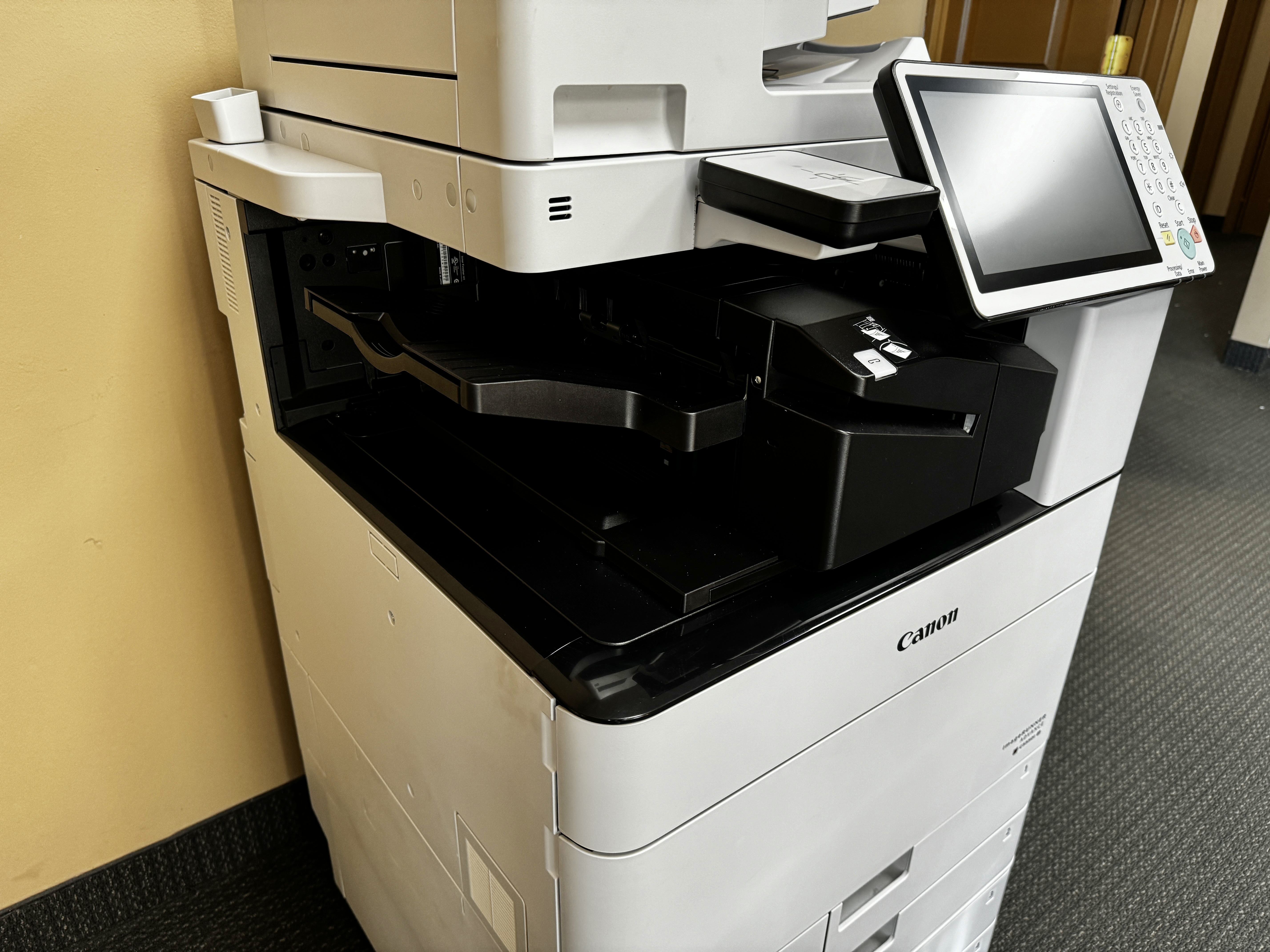
When it comes to printing equipment, leasing is a popular choice for businesses of all sizes. A printing lease involves leasing printing equipment, such as printers, copiers, and multifunction printers, for a specific period, usually ranging from one to five years. Office solutions companies, like Canon, offer printer leasing services that provide comprehensive solutions for businesses’ printing needs.
What is a Printing Lease?
A printing lease is an agreement between a business and an equipment leasing company, where the business leases printing equipment for a predetermined lease term. Printer leasing allows businesses to acquire the latest printing technology without the need for a substantial upfront investment. By leasing printers, copiers, and multifunction printers, businesses can efficiently manage their printing needs while keeping costs under control.
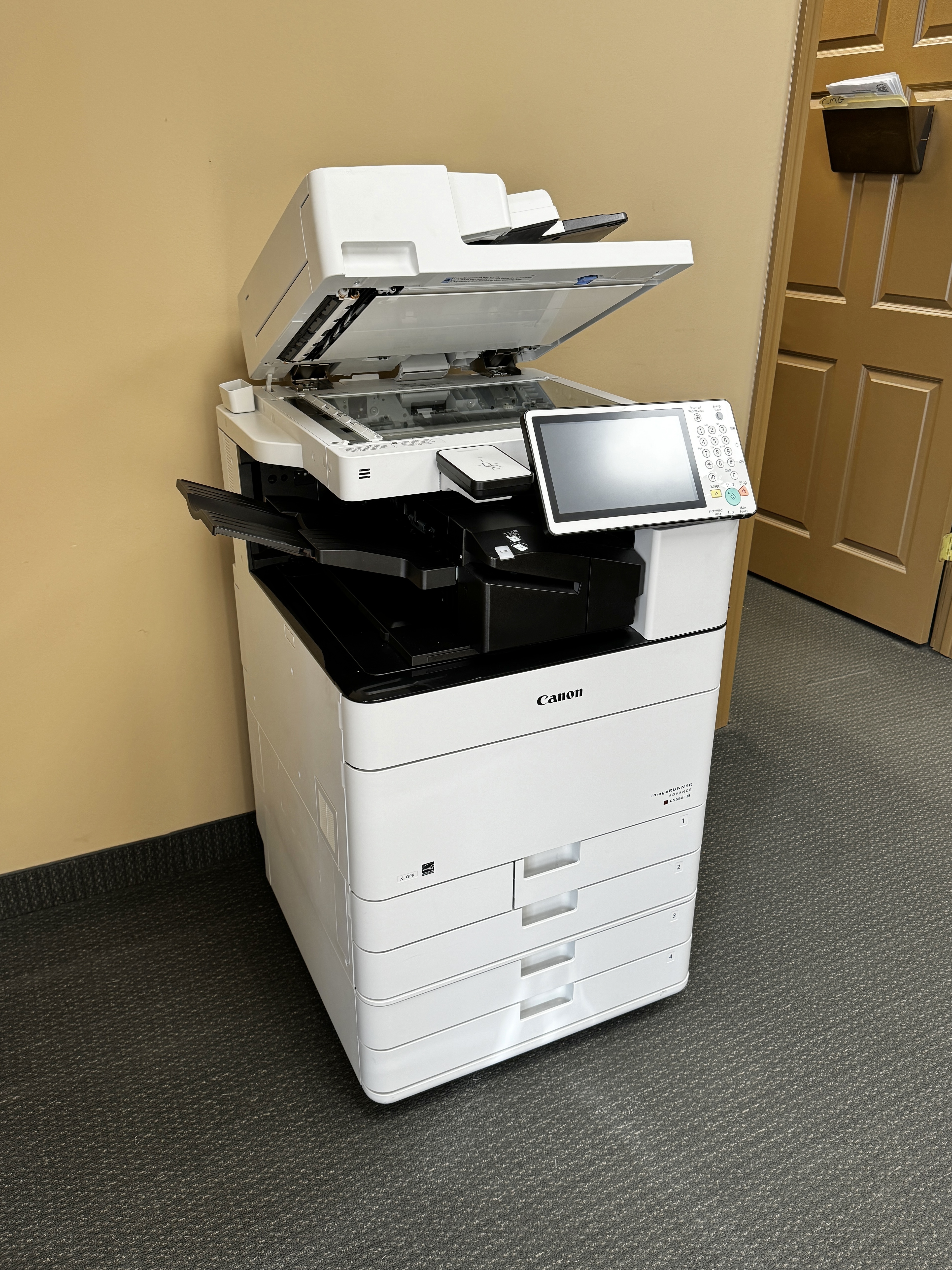
Leasing printing equipment, such as Canon printers, offers an array of options, including desktop printers, production printers, scanning solutions, and multifunction printers (MFPs). MFPs are especially popular due to their functionality, combining printing, copying, scanning, and sometimes faxing capabilities into a single device. With robust security features, multifunction printers provide peace of mind when handling sensitive documents, making them an ideal choice for businesses of all sizes.

Key Elements of a Printing Lease
One of the key advantages of leasing printing equipment is the flexibility it offers. Unlike buying printers outright, leasing provides businesses with flexible lease terms that can be tailored to their specific needs. This flexibility allows businesses to align the length of the lease with their financial situation and printing requirements.
A printing lease provides a comprehensive solution for office copiers, printers, and multifunction printers. Equipment leasing companies, like Canon, offer a wide range of office solutions designed to meet the unique needs of different industries. From small businesses to large corporations, leasing printing equipment ensures that the right equipment is available, improving productivity and efficiency.
The length of the lease is an important consideration when leasing printing equipment. It typically ranges from one to five years, but can vary depending on the lease agreement. Shorter lease terms offer more flexibility, allowing businesses to upgrade to newer models or change their printing solutions as technology evolves. Longer lease terms may provide cost savings over time, as the leasing company can spread out the cost of the equipment over a more extended period.
The Pros of Leasing Printing Equipment
Leasing printing equipment comes with several advantages that make it an attractive option for businesses. From lower initial costs to increased flexibility, here are some of the pros of leasing printing equipment:
Lower Initial Costs
- Leasing printing equipment allows businesses to acquire the latest, efficient equipment without a significant upfront investment.
- Printer rental lease terms provide cost-effective solutions, especially for small businesses or those on a tight budget.
- Leasing printing equipment eliminates the need for large capital expenditure, preserving capital for other business needs.
Flexibility in Commitment
- The flexible terms of printer leasing allow businesses to adjust the lease duration according to their changing needs.
- Lease terms can be easily modified to upgrade to the latest printing technology or accommodate changes in the business environment.
- Printer leasing provides businesses with the flexibility to select the right equipment without the long-term commitment associated with buying.
Tax Benefits of Leasing
- Leasing printing equipment may offer tax benefits, as lease payments can be fully deductible as business expenses.
- Equipment leasing, including printer leasing, allows businesses to allocate financial resources to other tax-deductible expenses, optimizing their tax benefits.
- Leasing printing equipment provides a predictable, tax-deductible lease payment, simplifying budget management and enhancing financial predictability.
-


The Cons of Leasing Printing Equipment
While leasing printing equipment offers numerous advantages, it’s essential to consider the potential drawbacks. Here are some of the cons of leasing printing equipment:
Potential Additional Costs
- Leasing printing equipment may come with additional costs, such as ink cartridges, toner, or maintenance fees.
- Over the course of the lease, businesses need to factor in the ongoing costs of consumables, which can vary depending on the printing volume.
- Depending on the lease agreement, businesses may be responsible for the cost of repairs or replacements of leased equipment.
Locked Lease Periods
- When leasing printing equipment, businesses are locked into a lease period, which can range from one to five years.
- The locked lease period may restrict businesses from upgrading to newer equipment or changing solutions mid-lease.
- Before entering into a lease, businesses should carefully consider their future needs and the length of the lease to avoid potential limitations.
Lack of Immediate Ownership
- Leasing printing equipment means businesses do not have immediate ownership of the equipment.
- While this may reduce the upfront cost, it also means that businesses do not build equity in the equipment.
- Leasing printing equipment offers temporary access to the latest technology, but ownership remains with the leasing company.
Comparing Leasing and Buying a Printer
When deciding between leasing and buying a printer for your business, it’s crucial to consider the advantages and disadvantages of each option. Let’s compare leasing and buying printing equipment:
Costs of Leasing vs Buying
- Leasing printing equipment provides a lower initial cost, allowing businesses to allocate their capital to other areas. Buying printers, on the other hand, requires a higher upfront investment.
- While leasing printers may have higher ongoing lease payments, the long-term cost efficiency, including maintenance, repairs, and upgrades, may be more cost-effective compared to purchasing printers outright.
Commitment and Flexibility
- Leasing printing equipment offers flexibility in terms of lease duration and the ability to upgrade equipment as business needs change. Buying printers, however, can limit the flexibility of adjusting equipment based on evolving business requirements.
- Leasing printing equipment ensures businesses have the right equipment for their needs, avoiding the risk of overcommitment or underutilization of purchased printers.
Tax Implications
- Leasing printing equipment may provide tax benefits, as lease payments are fully deductible as business expenses. Buying printers, on the other hand, may offer depreciation deductions, but the immediate upfront cost might not be immediately beneficial for tax purposes.
- Depending on the business’s tax situation, leasing printing equipment may allow for better financial planning, budget management, and tax optimization by freeing up capital for other business expenses.
Pros of Buying Printing Equipment
While leasing printing equipment offers flexibility and cost advantages, there are also compelling reasons to consider buying printers outright. Here are some of the pros of buying printing equipment:
Immediate Ownership
- Buying printers allows businesses to have immediate ownership of the equipment, providing peace of mind.
- Owned printing equipment offers the flexibility to modify, upgrade, or customize the equipment based on specific business requirements.
- Purchasing printers contributes to the company’s assets and financial stability, providing the potential for additional equity over time.
Long-term Cost Efficiency
- Buying printers can result in long-term cost efficiency, as the total cost of ownership, including maintenance, repairs, and upgrades, may be lower compared to leasing.
- Owning printing equipment eliminates ongoing lease payments, contributing to long-term financial savings.
- Investing in quality printers from trusted brands, like Canon, Xerox, or HP, ensures robust security and efficient functionality, optimizing long-term cost efficiency.
Additional Equity
- Purchasing printing equipment provides the opportunity to build additional equity, contributing to the company’s assets and financial stability.
- Owned printers can be used as collateral, enhancing the company’s financial leverage if needed.
- Buying printers offers the perfect solution for businesses with specific long-term printing requirements, providing full control over the equipment without the constraints of lease terms.
Cons of Buying Printing Equipment
While buying printing equipment outright offers advantages, there are also potential drawbacks to consider. Here are some of the cons of buying printing equipment:
Higher Upfront Cost
- Purchasing printing equipment requires a substantial upfront investment, which can strain the budget, especially for small businesses or those with limited financial resources.
- Leasing printing equipment offers a flexible solution, allowing businesses to acquire the right equipment without the burden of high upfront costs.
- Printer leasing provides peace of mind, knowing the costs are spread out over the lease term, making it more manageable for small businesses.
Challenges with Upgrades
- Upgrading purchased printing equipment can be financially challenging, as businesses need to invest in new equipment, often at the full upfront cost.
- Leasing printing equipment enables businesses to easily upgrade to the latest technology, keeping up with content management and industry trends.
- Leasing printing equipment offers a comprehensive solution to avoid challenges with outdated equipment, ensuring efficient printing solutions.
Is Leasing or Buying a Printer More Suitable for Your Business?
Determining whether leasing or buying a printer is more suitable for your business depends on various factors, including the size of your business, your printing needs, and budget considerations. Here are a few points to consider when making the decision:
- Assess the printing requirements of your business, including the number of team members who will be using the equipment and the volume of printing needed.
- Consider the flexibility offered by leasing printing equipment, allowing you to adjust lease terms and upgrade to the right equipment as your business grows.
- For small businesses with budget considerations, leasing printing equipment can provide an affordable and efficient solution.
Conclusion
In conclusion, when considering whether to lease or buy printing equipment, it’s important to weigh the pros and cons based on your business’s specific needs and circumstances. Leasing offers lower initial costs, flexibility in commitment, and tax benefits. On the other hand, buying provides immediate ownership, long-term cost efficiency, and additional equity. Assessing factors such as potential additional costs, locked lease periods, higher upfront costs, and challenges with upgrades will help you make an informed decision. Consider your budget, printing requirements, and growth plans to determine which option is more suitable for your business. Whether you choose to lease or buy, investing in reliable printing equipment is essential for maintaining productivity and meeting your printing needs.
https://www.youtube.com/user/gordonflesch
https://www.fpcofficesolution.com/supplies/
https://www.kyoceradocumentsolutions.us/en/products/production-printing/TASKALFAPRO15000C.html