
Key Highlights
- Going for a lease on a copier printer can save businesses some cash, letting them get their hands on the latest technology without having to pay all that money upfront.
- With leasing, companies have the room to switch up their gear as they grow or as their needs shift.
- Getting a grip on how copier leasing ticks and why it might be better than buying is key if you want to make a choice you’re happy with.
- Before jumping into leasing, it’s smart to think about how much printing your business really does and what kind of lease term fits best.
- You’ll find there are different kinds of leases out there like fair market value leases and $1 buyout leases. Each comes with its own perks and things to ponder over.
- When you lease a copier printer, remember there are monthly payments involved plus other costs that cover keeping the machine running smoothly like maintenance and ink or toner supplies.
- Picking out the right copier printer means looking at what your office needs in terms of solutions for handling documents, how much printing gets done regularly, and what specific tasks your business operations require from such equipment.
- -In wrapping up, opting to lease instead of buy can be pretty wise for companies aiming for cost savings while still staying updated tech-wise.
Introduction
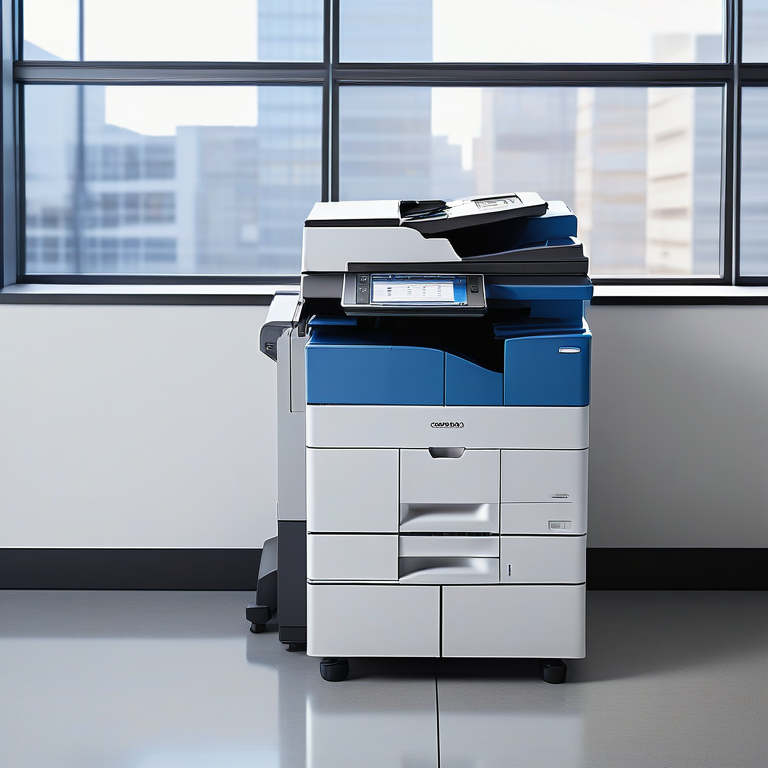
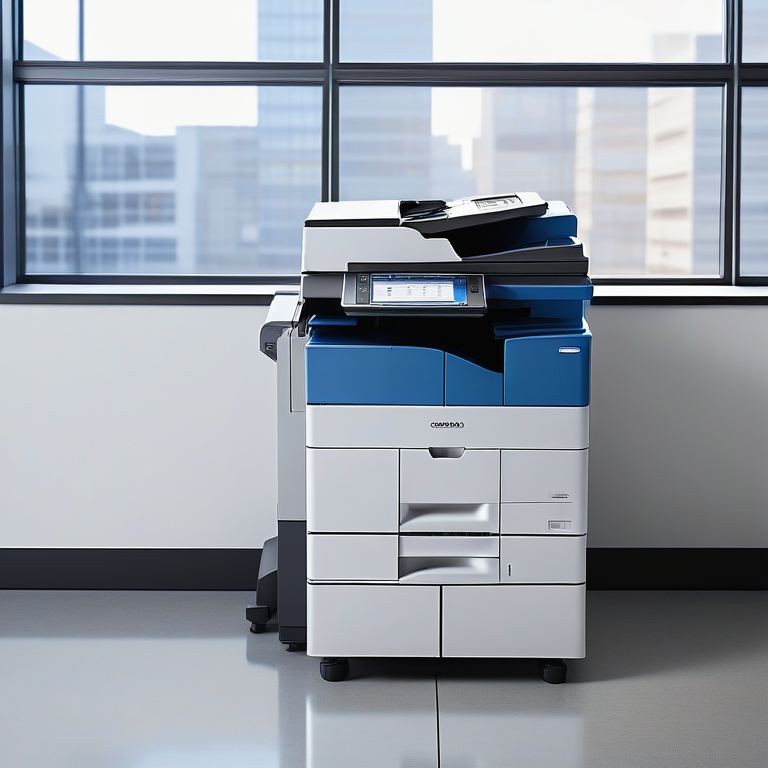
Choosing to lease a copier printer can be a clever move for companies wanting to update their office equipment without the hefty initial expense of purchasing. As copier technology keeps getting better, leasing offers businesses the chance to keep up with the newest improvements in printing. This guide is packed with everything you need to understand about leasing a copier printer, including how it works and what options are out there.
With leasing, companies enjoy saving money, having more flexibility, and feeling at ease knowing they’re covered. There’s no big payment needed right away when you lease, which means your business can use that money elsewhere. Leasing also lets businesses switch up their equipment as their needs grow or change over time. Plus, most times when you sign a lease agreement for a copier printer maintenance and fixing stuff comes included which gives peace of mind.
We’ll go into detail about how leasing compares favorably against buying outright – from cost savings benefits down through choosing an appropriate term length on your contract all while considering different types available like fair market value leases versus $1 buyout options Lastly we will touch upon costs tied with these agreements alongside some advice on picking out the best machine suited towards your company’s specific requirements.
https://www.accounts.xerox.com/auth/logout.jsf
https://www.accounts.xerox.com/auth/login.jsf
Understanding Copier Leasing Basics
Leasing a copier is something many businesses do, big or small. It’s a way for them to get their hands on the latest printer and copier tech without having to pay a lot of money right away. Here’s how it works: A business finds a leasing company that owns the printer or copier they want. They make an agreement where the business gets to use this equipment by paying some money every month, usually for about 2 to 5 years. This deal includes details like how much needs to be paid each month and how long they’ll lease the copier—these are all figured out during talks between the business and the leasing company.
When we reach the end of the lease term, there are options on what can happen next. The business might decide they want to keep going with another lease, maybe even upgrade to a newer model, or just give back what they were using once time’s up.
What Is Copier Leasing and How Does It Work?
When a business decides to go for copier leasing, it means they’re getting to use a copier printer without having to buy it outright. Instead of paying all at once, the company pays a monthly fee to the leasing company that owns the printer. This way, businesses can keep up with the latest technology in printers and copiers without facing a big upfront cost.
With leases usually lasting between 2 and 5 years based on what the business needs, companies pay this fixed monthly fee which covers not just using the machine but also any maintenance or support that comes with it as part of their lease agreement.
As we reach the end of the lease term, there are several paths forward: The business might decide to stick with what they have and renew their current deal; maybe they want something better and opt for an upgrade to a newer model; or perhaps returning the printer is best because their needs have changed. Whatever choice is made will depend on what was initially agreed upon in the lease agreement between both parties involved.
The Benefits of Leasing Over Buying
Choosing to lease a copier printer instead of buying it has quite a few perks that make it appealing for companies. For starters, by leasing, you don’t have to pay a big amount right away. This is great because businesses can use their money for different parts of their work instead. It’s really helpful especially if the business isn’t very big or doesn’t have lots of cash on hand.
With leasing, there’s also less worry involved. A lot of times when you lease, the deal includes help with maintenance and support services. So if something goes wrong, you’re not stuck dealing with unexpected costs or having your work stop suddenly because the equipment broke down. Plus, as new advancements in copier printers come out pretty fast these days; through leasing businesses get to keep up without constantly needing to buy new machines.
In short, going for a lease over purchasing outright offers savings upfront helps avoid sudden expenses and keeps everything running smoothly with access to the latest technology in office equipment like printers and copiers – all contributing towards keeping operations smooth without stressing about cash flow or downtime.
https://americanhistory.si.edu/collections/search/object/nmah_1085916
Key Factors to Consider Before Leasing a Copier
When looking into leasing a copier printer, businesses need to think about a few crucial things to make sure they pick the right one for their needs. Starting off, it’s key to figure out how much printing the business will do and what kind of specific tasks they’ll need the printer for. By understanding this, you can pinpoint exactly which features and abilities your copier printer must have.
On top of that, thinking about the lease term is super important. The length of time you plan on leasing should match up with where you see your business going in the future. Going for a longer lease might mean cheaper payments each month but could end up costing more over time. Meanwhile, choosing a shorter lease gives you more chances to update your tech sooner rather than later.
Assessing Your Business’s Printing Needs
Figuring out what your business needs in terms of printing is super important when you’re looking to get the right copier printer. You’ve got to think about how much stuff you need to print, whether it’s every day, once a week, or maybe just monthly. By doing this, you can figure out how fast and big your printer needs to be.
On top of that, take a good look at what your business does every day. Do you guys need extra features like being able to scan things, send faxes or manage documents? It’s also worth considering if color prints are necessary or if black and white will do the job.
Also, ponder over the kind of print services your company provides. Is it mostly paperwork or are there times when you have to print out marketing materials like brochures and flyers? Knowing exactly what printing tasks your business handles will make sure that the copier printer you decide on leasing fits all those needs perfectly.
The Importance of Choosing the Right Lease Term
When picking how long to lease a copier printer for your business, it’s really important. This time frame, known as the lease term, usually lasts between 2 and 5 years.
To make a smart choice about the lease term, think about where you see your business in the future. Going with a longer lease can mean paying less each month which seems great at first but might end up costing more over time. On flip side, choosing a shorter period means you could switch to better technology earlier even though it might bump up your monthly costs.
It all boils down to what your business needs and how long you plan on using that copier printer. If it looks like you’ll need it for quite some time, then opting for a longer agreement makes sense. But if keeping up with tech updates is key for your operations, going short-term on leasing allows staying current without much hassle.
https://cartridgeworldusa.com/blog/how-much-is-printer-ink-and-toner-costing-you
https://en.wikipedia.org/wiki/IT_service_management
Exploring the Types of Copier Leases Available
When it comes to picking a copier lease, businesses have a few options, each with its own benefits and things to think about. By understanding what’s out there, companies can make the best choice for their situation.
There are mainly two kinds of leases you’ll hear about: fair market value leases and $1 buyout leases. With a fair market value lease, your business makes monthly payments that match up with how much the copier is worth on the market. When you reach the end of your lease term, you get to decide if you want to buy that printer at its current market price, extend your lease for more time or just give it back.
On another note, choosing a $1 buyout lease means your company will pay a set amount every month until the lease ends. Once you’re at the end of the agreement, you can become owner of **the copier or printer by paying just one dollar extra.This kind is usually picked by those planning on using their equipment for many years ahead.

Fair Market Value Leases Explained
In a fair market value lease, you’re basically renting a copier or printer with monthly payments that reflect what the machine is really worth. The leasing company figures out this cost by looking at how old it is, its condition, and how much people want it.
With each month of the lease term, businesses pay an amount based on this value. When we get to the end of the lease term, there are a few choices: buy the copier or printer for its current worth, sign up for another round of leasing, or hand it back over to those who provided it.
This type of lease gives companies room to think things over—like checking out if they’re happy with their copier or printer before deciding when we reach the end of our agreement time. But remember—it’s super important to go through all those details in your contract about what happens when you hit that point at the end so everything’s clear from start.
$1 Buyout Leases: What You Need to Know
In a $1 buyout lease, a business pays a set amount every month to use the copier printer. When the lease is up, they can own it for just one dollar. This option is great for companies planning to keep their equipment long-term.
By going with this kind of lease, businesses know exactly how much the copier will cost them from the start. It helps with budgeting and predicting future costs. Plus, at the end of the lease term, there’s an opportunity to switch to a newer model since you already own your current one by paying almost nothing.
However, before jumping into such an agreement, it’s wise to think about how long you’ll need your copier printer and what upgrading later might cost you. Making sure that everything in your contract matches what you’re looking for is key so that there are no surprises down the line.
Costs Associated with Leasing a Copier
When you decide to lease a copier printer, there are some costs that come with it that businesses need to know about. On top of what you pay every month for the lease, there might be extra charges involved.
With each monthly payment, you’re basically paying for the right to use the copier printer. This often includes help and upkeep from whoever you leased it from. It’s really important for businesses to look closely at their lease agreement so they understand exactly what these payments cover.
On top of this, there could be more expenses like keeping up with maintenance, buying toner or ink when it runs out, and fees if you print more than what your deal allows. While some leasing companies have plans that take care of maintenance and supplies for an extra fee, others will charge separately for these services. Before signing anything related to your lease, make sure all details regarding additional costs are clear between both parties involved in leasing agreements involving printers or copiers—especially concerning things like service coverage and limits on print volume.
Understanding Monthly Lease Payments
When you lease a copier or printer, the monthly payments cover using the machine and often include help with maintenance and support. How much you pay each month depends on several things like how much the copier costs, how long your lease is for, and if there are any extra services in your lease agreement.
The length of time you agree to lease the printer or copier for is called the lease term, which usually lasts between 2 to 5 years. Companies can talk about this period to make sure it fits what they need and want. If you go for a longer lease, your monthly bills might be lower, but over time, it could mean paying more overall. On flip side, a shorter period means higher bills every month but gives businesses a chance to switch up their tech sooner.
It’s really important to look closely at your lease agreement so that you understand exactly what those monthly charges include along with any other possible fees. By checking out different leasing options and getting clear on all costs involved throughout the duration of your contract will guide companies toward making choices that suit them best.
Additional Costs: Maintenance and Supplies
On top of the regular monthly payments for leasing a copier printer, businesses might have to pay extra for upkeep and stuff like toner or ink. The details about these extra charges can be different based on what’s in the lease agreement and which company you’re leasing from.
With maintenance services, this could mean anything from keeping things running smoothly, fixing any issues, or getting help when something doesn’t work right with your copier printer. While some companies include this in your monthly cost, others might ask for more money to cover it.
Then there’s the matter of supplies like toner or ink cartridges that you need for printing. It’s key to check if your lease covers these supplies or if they’re an additional expense you’ll need to handle separately. Planning ahead for these costs is crucial so they don’t catch you off guard later on.
By getting a clear picture of all possible expenses beyond just the base rent payment—like those maintenance tasks and supply needs—you’ll better understand how much leasing a copier printer will actually cost over time.
https://www.costowl.com/b2b/copiers-printers/copiers-leasing-cost/
https://www.doforms.com/paper-costs-your-business/
How to Choose the Right Copier for Your Business
When picking the perfect copier printer for your business, it’s all about matching it to what you really need. Start off by looking at how things run in your office and figure out exactly what you’re after. Do you also need it to scan, fax, or manage documents?
For those with small offices, space is key. You’ll want something that fits well without taking up too much room.
Dive into checking out the newest models of copier printers. Look at what they offer, how much they cost, and don’t forget to see what other people are saying about them or get advice from folks who know their stuff. It’s pretty important as well to think about if the company making them or leasing them is known for being reliable.
By doing a good job figuring out your needs and researching properly, finding that ideal copier printer can make things run smoother and boost productivity in your business operations related to office solutions especially suited for small offices considering leasing options.
Evaluating Copier Features and Functions
When you’re thinking about leasing a copier printer, it’s really important to look closely at what the machine can do to make sure it fits what your business needs. You should think about how much printing you’ll be doing, whether an inkjet or laser printer would work better for you, and if the printer will fit in your office.
- With print volume, figure out how much printing your business does so you pick a copier that can keep up. Think about things like how many people are going to use it, how often they’ll print stuff, and what kinds of documents they’ll be mostly printing.
- For choosing between an inkjet vs laser printing: If saving money upfront is key for you and color prints are essential then go with an inkjet. But if speed matters more because there’s lots of black-and-white high-volume jobs needed quickly then choose a laser one instead.
- Regarding physical space: Make sure there’s enough room where you plan on putting this device by measuring beforehand; this way no surprises come when trying to find its spot in the office.
By looking into these aspects carefully before getting one through leasing ensures not only does the copier meet all your daily operational needs but also supports efficiently handling various tasks related specifically towards printing requirements within any given workspace environment effectively without causing disruptions due either size constraints or inadequate performance capabilities based upon anticipated workload levels expected from such equipment usage scenarios over time.
Compatibility with Your Existing Office Technology
When you’re thinking about leasing a copier printer, it’s really important to make sure it will work well with the tech you already have in your office. You want this new printer to easily connect with your network systems, software, and any other gadgets you use at work.
- With network compatibility, check that the copier can join your office network without any trouble. This is key for making printing and scanning smooth across all devices.
- For software integration, see if the printer gets along with the apps and tools you need for running your business. Whether it’s keeping files organized or using cloud services, confirm that these essential pieces of software are supported.
- When looking at how this fits into what’s already there, existing office equipment should not be overlooked. The goal is to ensure that this new addition doesn’t clash but rather works hand-in-hand with computers, servers, and anything else around.
Making sure everything matches up means no headaches down the line; instead,you get a boost in how efficiently things run when adding a leased copier printer into mix.
https://www.kyoceradocumentsolutions.us/en/products/production-printing/TASKALFAPRO15000C.html
Negotiating Your Copier Lease Agreement
When you’re looking into getting a copier lease, it’s really important to talk things through so the deal works well for your business. Here are some main points to think about:
- For how long you’ll have the lease: You need to figure out what time frame suits your company best. Think about how long the copier is going to last, what you can afford, and if you might want newer models or changes in how much printing you do down the line.
- How much you’ll pay each month: Try to get a monthly payment that fits with your budget. Remember there could be extra costs like keeping it running smoothly or stuff like ink and paper. Make sure these extras are either included in your payments or listed separately so there aren’t any surprises.
- Taking care of the copier: Talk about what kind of upkeep will come with this agreement. It’s good to know exactly which repairs or regular maintenance checks are covered and if there’ll be extra fees for anything beyond basic services.
Getting these details right means tailoring the copier lease agreement just for what your business needs, making sure everything runs without a hitch during leasing.
Tips for Getting the Best Lease Terms
When you’re looking to lease a copier printer, aiming for the best deal is key to making it worth your while. Here’s how you can nail down those top-notch lease terms:
- Start by checking out several leasing companies. It pays to do your homework and compare what different places offer in terms of deals. Look into their reputation, what customers have said about them, and the variety of copier printers they’ve got.
- With each option on the table, weigh up its good points against its bad ones. Think about whether leasing or buying fits better with your situation by considering upfront costs versus long-term spending, how much flexibility you want, and if owning outright is important to you.
- Before signing anything for a lease agreement during this period where surprises are least welcome; make sure you read that contract carefully from start to finish. Keep an eye out for any hidden fees like penalties if you decide to end things early or charges for going overboard on usage.
By sticking closely with these strategies throughout the entire process until finding yourself within a comfortable lease period without facing unexpected expenses related directly towards either printer or copier aspects specifically mentioned within cons associated alongside each available option might just save both time & money eventually leading towards more efficient outcomes overall.
Common Pitfalls to Avoid in Lease Agreements
When you’re thinking about leasing a copier printer for your business, it’s really important to watch out for some traps that could cause problems. Here are the main things to keep an eye on:
- Make sure everything in the lease agreement is super clear. You want all the details spelled out so there’s no confusion or arguments later on.
- Watch out for extra charges that might pop up. This includes stuff like money you have to pay for keeping the machine running smoothly, any supplies it needs, or fees if you decide to end the lease early or use it more than expected.
- Think about how flexible the deal is too. Your business will grow and change over time, so you’ll want a copier printer that can adapt with you without causing a headache.
By paying close attention and going through your lease agreement carefully before signing anything, these steps can help make leasing a copier printer go smoothly without any surprises along the way.
https://www.kompareit.com/business/office-equipment-compare-copier-leasing-cost.html
https://www.straight.com/living/why-leasing-a-business-copier-is-better-than-buying
Maintenance and Support for Leased Copiers
When you’re leasing a copier printer, it’s really important to look into the maintenance and support that comes with your lease agreement. Here are some things you should keep in mind:
- For maintenance services, make sure you know what’s included. This could be regular check-ups, fixing any issues, and replacing parts when needed. Find out how often they’ll come to do maintenance and if there are any extra costs or limits.
- With support, figure out how much help they offer for leased copiers. This might mean help with setting up, solving problems as they pop up, and being able to call customer service whenever you need.
- Don’t forget about the warranty on your leased copier printer. Ask about how long it lasts and what exactly it covers like if something breaks by itself or doesn’t work right. Make sure you understand if anything isn’t covered by the warranty.
Knowing all this stuff will help ensure that during the lease period of your printer/copier is taken care of properly without running into unexpected troubles.
What Does Standard Maintenance Cover?
When you lease a copier printer, the standard upkeep usually takes care of keeping it in tip-top shape. Here’s what that typically includes:
- With regular maintenance, they check on the printer often and do things to prevent problems before they start. This means cleaning out the insides, looking for any signs of wear or damage, and making sure everything is set just right for the best printing results.
- If something goes wrong with your copier printer or it stops working like it should, standard maintenance has got you covered. They’ll fix whatever parts aren’t working right, sort out paper jams, and get rid of any error messages or technical issues so everything runs smoothly again.
- Also part of this deal is swapping out old parts that are used up like toner cartridges or ink cartridges. That way your prints always look crisp and clear without any hiccups.
It’s really important to go over your lease agreement and see exactly what kind of service plan comes with your leased copier printer so you know all about what’s included in its upkeep.
Handling Repairs and Downtime
When your leased copier printer breaks down or needs fixing, it’s crucial to have a plan ready so your business operations don’t suffer too much. Here’s what you can do to manage repairs and downtime smoothly:
- With any problems with the copier printer, get in touch with the leasing company right away. Tell them exactly what’s wrong and give them all the details like error messages or how the machine is acting up.
- Stick to the repair steps that were agreed upon in your lease agreement or whatever instructions the leasing company gives you. This might mean setting up a time for someone to come look at it, trying some fixes over a phone call, or doing certain things they tell you to try out.
- Look for quick fixes if your copier printer isn’t working at all. You could use different machines for now, maybe find somewhere else that can handle your printing needs temporarily, or figure out other ways around this until everything’s fixed.
By taking these actions when there are issues with your leased copier printer ensures that disruptions are kept as low as possible allowing business operations continue without major hitches.
Ending or Renewing Your Copier Lease
When your copier lease is about to finish, it’s crucial to think over whether you want to stop or continue the lease. Here are some important things to keep in mind:
- At the end of the lease, make sure you check out what your lease agreement says about how to properly end it. This usually means letting the leasing company know ahead of time and making sure the printer is returned in good shape.
- If everything with your current copier is working great for you and you’re happy with how things are going, talking about renewing your lease might be a good move. Get in touch with those who gave you the lease and see if there can be any better terms or prices this time around.
- Sometimes, as your business grows or changes, so do its needs. If there’s newer technology out there that fits better with what you need now, upgrading could be a smart choice. Have a chat with your leasing company about switching up for something more advanced that suits where your business stands today.
By thinking these options through carefully, deciding on whether ending or continuing your copier lease will become clearer ensuring whatever decision made aligns perfectly well keeping future requirements into consideration.
Options at the End of Your Lease Term
When your copier lease wraps up, you’ve got a few paths you can take. Here’s what usually happens when you reach the end of the lease:
- Lease Renewal: For those who like their current copier and are cool with the deal they’ve been getting, renewing the lease is an option. It means sticking with what works for you and keeping your monthly payments steady.
- Return the Copier Printer: Maybe it’s time for something new or maybe you just don’t need it anymore. If that’s where you’re at, returning it to where it came from is straightforward—just make sure to follow any steps they’ve laid out in your agreement.
- Purchase the Copier Printer: At times, leasing agreements let you buy your printer once the lease is over. This could be a smart move if everything about it feels right and fits into how long-term plans look.
With all these choices on hand at end of term , think about what makes sense not just now but down road too . Chatting through options with folks behind leasing might help pin down which route best aligns business looking ahead.
Pros and Cons of Lease Renewal vs. Upgrading
When you’re stuck choosing between sticking with your current copier printer lease or getting a new one, it’s smart to weigh the good and bad points of both paths. Here’s what you should think about:
With renewing your lease:
- On the plus side, keeping your existing machine means steady monthly payments without having to shell out big bucks right away for something new. It’s handy if the old one still does everything you need and changing feels like too much trouble.
- However, by not switching up, you might miss out on cool updates in copier technology that could do wonders for how efficiently your business operates.
On upgrading:
- The benefits here include getting hold of cutting-edge tech and features which can boost work productivity, meet evolving needs of your company better, and even save money as time goes on.
- But remember, opting for an upgrade usually comes with higher initial costs compared to just renewing. Plus there’s dealing with setting up a fresh lease agreement and sending back the old device.
Think carefully about what matters most for where you want to take your business—consider things like budget constraints or specific goals—and let those guide whether renewal or an upgrade is best. Evaluating each option’s pros versus cons will help ensure whatever decision made is well-informed
Conclusion
Choosing to lease a copier printer can be a smart choice for your company, as it brings the perks of flexibility and helps save money. It’s important to know what your printing needs are, pick the right terms for your lease, and work out deals that benefit you. Looking into the features of the copier, what kind of maintenance is included, and options when it comes time to renew can make leasing even better. By making choices based on good information and steering clear from common mistakes, you’re setting up a smooth process tailored just for what your business needs. Always keep an eye on how much copying and printing you do so you can get the most out of leasing a copier or printer while keeping things running smoothly at work.
Frequently Asked Questions
Can I upgrade my copier before the lease ends?
Indeed, you can switch to a newer copier model before your lease is up. With some leasing companies, there are options for an early upgrade if you’ve hit the minimum time on your current lease and are okay with handling any fees that come with it. For details tailored to your situation, reaching out directly to the company where you have your lease would be best. They’ll fill you in on all their rules about upgrading.
Is it possible to cancel a copier lease early?
You can indeed end a copier lease before it’s due, but you might have to pay extra charges or penalties for that. To know exactly how this works and what it involves, look at your lease agreement. By checking the agreement or getting in touch with your leasing company, you’ll learn about the steps to take and any costs linked with early termination of the lease.
How do I determine the best copier for my business’s needs?
To pick the right copier for your company, start by figuring out how much printing you’ll do, whether you need color or just black and white prints, and if features like scanning or faxing are important. With your budget in mind, it’s a good idea to talk with experts or leasing companies who can help guide you to the best choice based on what you need.
What are the hidden costs in a copier lease agreement?
When you think about leasing a copier or printer, it might seem like an easy option at first. However, there are some hidden costs in the lease agreement that you should know about. These can be extra charges for going over your monthly print limit, insurance fees, and even buyout fees when the lease is up. Knowing these things ahead of time helps businesses avoid surprise bills and make smarter choices.
Before signing a copier lease agreement, it’s really important to read through all the details carefully so you don’t miss any possible hidden costs. For instance, if you print more pages than your plan allows each month, those extra prints could end up costing quite a bit due to overage charges.
With insurance on leased equipment like printers and copiers being another sneaky cost; sometimes leasing companies insist that you insure their gear while renting it out from them. If they find out that proper coverage isn’t maintained by yourself then expect additional amounts added onto your regular bill as penalty for not having adequate coverages in place beforehand!
At the conclusion of most leases comes yet another potential expense: buyout fees which allow one either return said device back into possession after its term concludes OR purchase outright based upon what’s deemed “fair market value” – this decision shouldn’t be taken lightly since comparing upfront buying versus long-term rental expenses will ultimately guide better financial planning overall regarding whether opting into such agreements makes sense given individual business requirements concerning usage rates etcetera related specifically towards printing needs within office environments today.
How can I avoid overpaying for copier features I don’t need?
When you’re thinking about getting a copier printer on lease, it’s really easy to end up paying too much for stuff you won’t use. To make sure that doesn’t happen, first figure out what your business actually needs from a printer.
Start with the basics. What do you need the printer to do? Think about how many pages you print, whether or not you need color prints, if scanning is important and what kind of document finishing touches like stapling or binding are necessary. Knowing exactly what functions are essential will help narrow down your choices so that you don’t pay extra for things that aren’t useful to your business operations.
On top of this, think long-term when picking out a copier printer because choosing one just because it has lots of features might seem cool but could cost more in maintenance and toner especially if those fancy features aren’t used often by your team. For instance, going for a color-capable machine when most times black and white would suffice can lead to spending money unnecessarily on colored toner.
Getting advice from experts at reputable leasing companies or Managed Print Services providers can also save costs since they know all about printing needs versus flashy unnecessary extras; plus they offer support throughout the lease term which means less headache over maintaining the device yourself.
In short: By focusing on must-have functionalities based on an honest assessment of print volume requirements among other factors related directly to daily tasks within business operations without falling into traps set by bells-and-whistles mentality—and seeking guidance from seasoned pros—you’ll avoid overspending during leasing while ensuring efficient running through reliable maintenance services provided under terms agreeable between both parties involved.