

https://csa.canon.com/internet/portal/us/csa/products/office-enterprise
Key Highlights
- Copier leasing allows businesses to access advanced technology without the hefty upfront costs of purchasing new copiers.
- Factors that influence copier lease costs include the lease term, copier specifications, the leasing company, and additional services.
- Monthly lease payments are the primary cost of leasing a copier and can vary based on factors such as lease term and copier features.
- Upfront costs may be required in some leasing agreements, but options for no-money-down leases are available.
- Service and maintenance are important components of a copier lease and can be included in the monthly payment.
- Excess usage charges and insurance are additional costs to consider when leasing a copier.
- Strategies to save on copier leasing costs include negotiating lease terms, assessing actual copier needs, researching leasing companies, considering refurbished copiers, and opting for shorter lease terms.
Introduction
Understanding the financial aspects of copier leasing is crucial for businesses aiming to optimize their operational costs. When considering copier leasing, factors such as lease terms, monthly payments, and service agreements play a significant role in budget planning. This guide delves into the key components influencing copier leasing expenses, providing insights to help businesses make informed decisions regarding their copier leasing budgets. By comprehensively analyzing the costs associated with copier leases, organizations can strategically manage their financial resources to ensure long-term sustainability.
Key Factors Influencing Copier Leasing Costs
Factors such as the copier’s features, lease terms, and service agreements significantly impact copier leasing costs. The complexity of copier specifications and the duration of the lease influence monthly payments. Understanding service contracts and additional fees for excess usage is crucial in budget planning. Lease terms’ flexibility and the option to upgrade to newer models affect the total cost. Prioritizing these factors can help businesses make informed decisions to manage copier leasing expenses efficiently.
https://americanhistory.si.edu/collections/search/object/nmah_1085916
Importance of Copier Features and Specifications
When considering copier leasing budgets, the importance of copier features and specifications cannot be understated. Selecting the right copier with the necessary features aligned with your business requirements ensures optimal functionality and efficiency. Features such as print speed, resolution, paper handling capabilities, and connectivity options play a crucial role in daily operations. Specifications like scan functionality, duplex printing, and security features are vital for a seamless workflow and data protection. Understanding these aspects helps make an informed decision and maximizes the value of your copier lease.
Understanding Lease Terms and Conditions
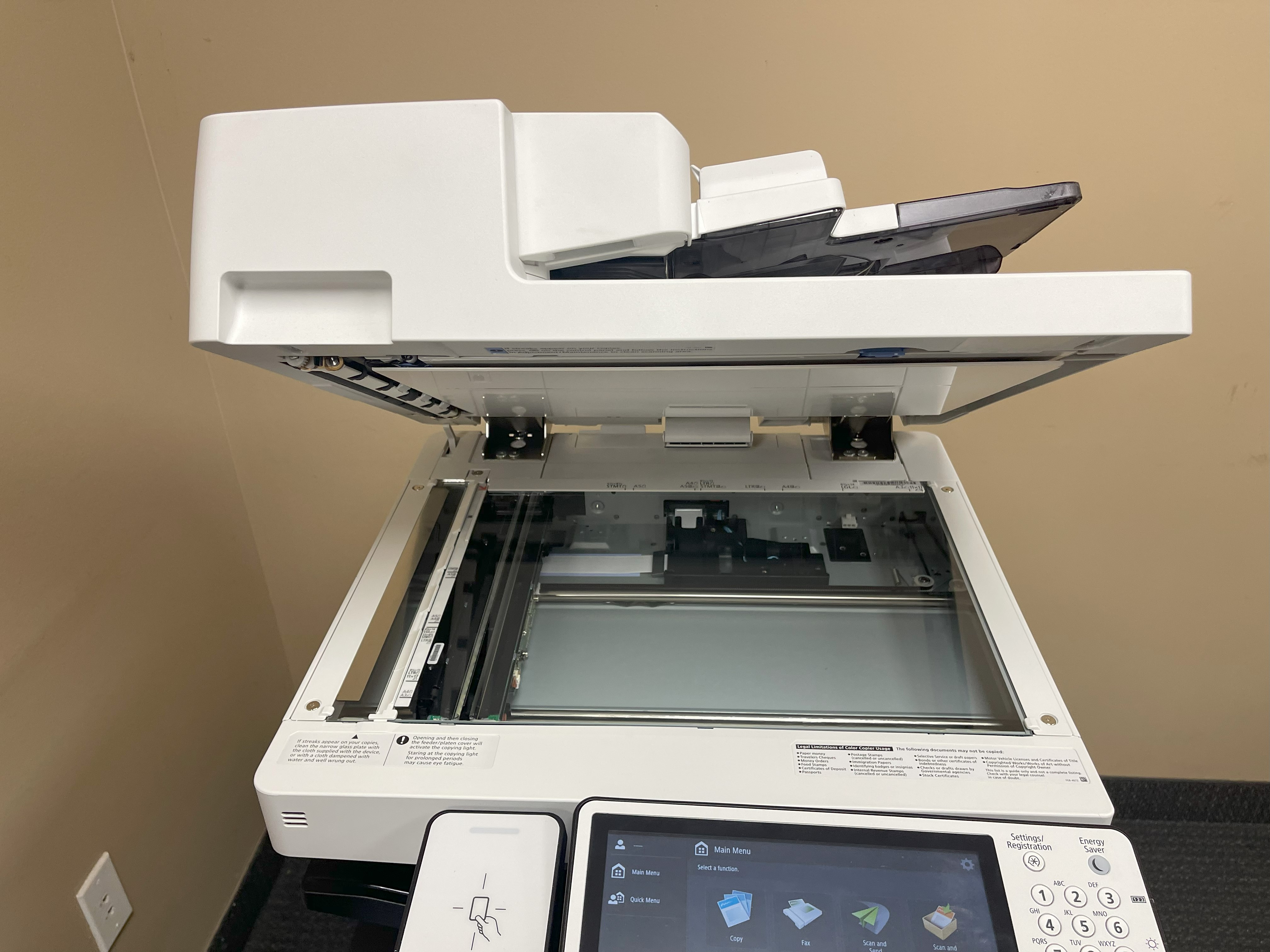
Lease terms and conditions are pivotal in copier leasing. To make an informed decision, grasp the length of the lease, monthly payment obligations, and any additional fees. Understand service contracts, maintenance costs, and potential penalties for excess usage. The lease end’s terms, such as buyout options, are critical. Clear comprehension of these factors ensures a smooth leasing process and guards against unexpected costs, thus enhancing your copier leasing experience.
Breaking Down the Costs Associated with Copier Leasing
When considering copier leasing, it’s essential to understand the breakdown of associated costs. This includes monthly lease payments, initial setup fees, service agreements, and potential excess usage charges. Calculating the total cost of ownership can provide a clearer picture of your financial commitment. By evaluating these factors meticulously, businesses can make informed decisions to optimize their copier leasing budget effectively. Prioritizing cost breakdowns ensures transparency and helps in avoiding unexpected financial burdens at the lease’s end.
https://smallbusiness.chron.com/advantages-leasing-copiers-64465.html
Monthly Lease Payment Calculations
To determine monthly lease payment calculations for copier leasing budgets, understanding the total cost is crucial. Start by factoring in the lease term, monthly fee, service contract, maintenance costs, and any upfront expenses. Consider the length of the lease and any additional fees that may apply. Evaluating these aspects will help in making an informed decision regarding the monthly expenses involved in copier leasing. Calculating these figures accurately is essential to ensure financial resources are allocated efficiently throughout the lease term.
Initial Down Payment and Setup Fees
When considering copier leasing budgets, it’s crucial to factor in initial down payments and setup fees. These upfront costs can vary among leasing companies and significantly impact your cash flow at the lease’s commencement. Understanding and budgeting for these expenses is essential for making an informed decision. By carefully evaluating the initial financial outlay required for leasing a copier, businesses can ensure a smooth start to their leasing arrangement. Making a well-thought-out decision regarding initial payments can provide financial stability and peace of mind throughout the leasing term.
https://na4-onlineapp.dnbi.com/createApp/Standard+Office+Systems+of+Atlanta%2C+Inc.
https://www.kyoceradocumentsolutions.us/en/products/production-printing/TASKALFAPRO15000C.html
Service and Maintenance Agreements
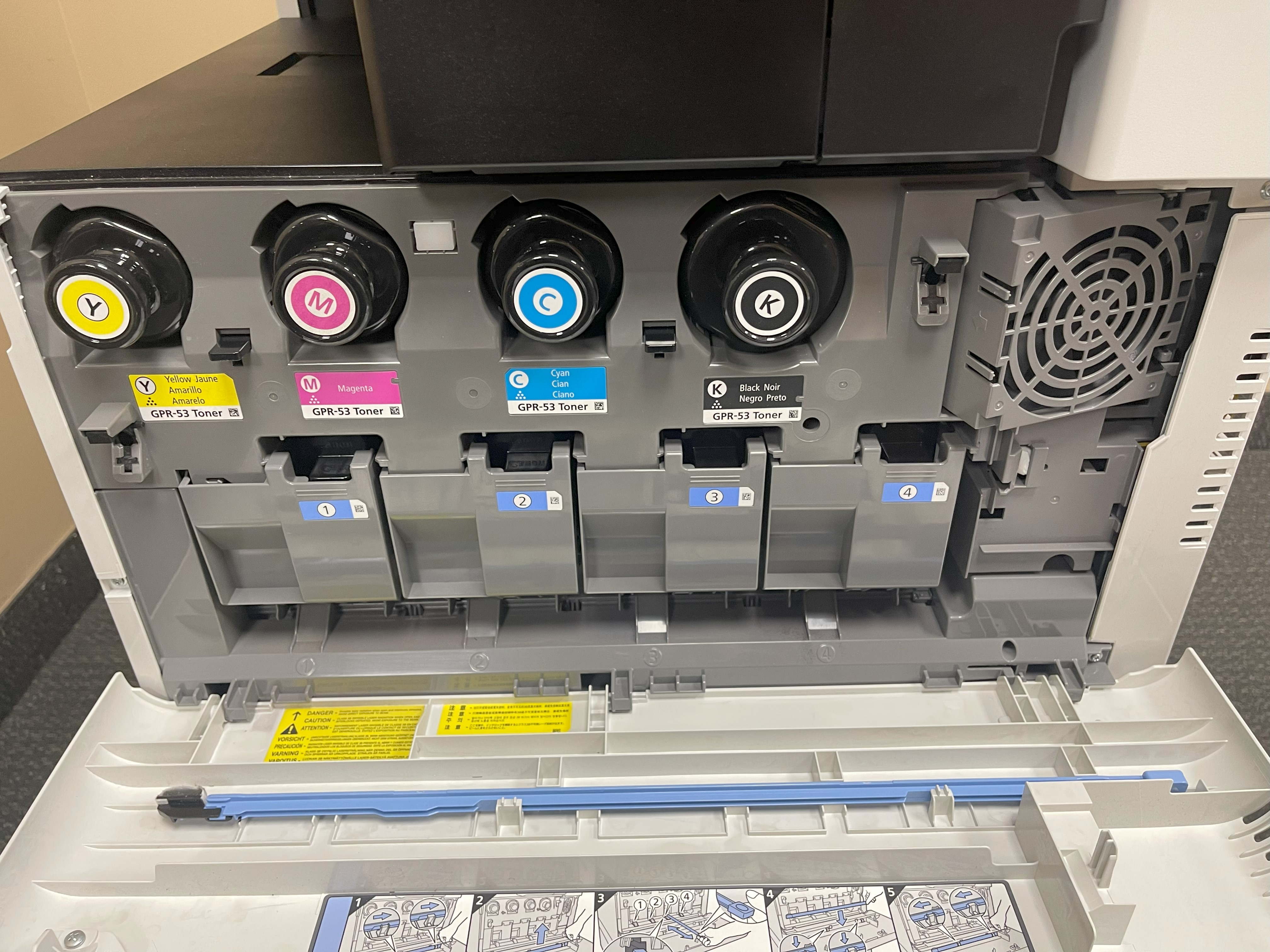
Service and maintenance agreements are an essential component of copier leasing that provides businesses with peace of mind and minimizes unexpected expenses. These agreements typically include repairs, maintenance, and toner supply as part of the monthly fee. By opting for a service contract, businesses can ensure that their copiers are well-maintained and running smoothly throughout the lease term.
Having a service contract in place eliminates the need to worry about repair costs and downtime due to copier malfunctions. The leasing company is responsible for providing timely service and addressing any issues that may arise. This not only saves businesses from unexpected maintenance costs but also helps to maintain productivity and workflow efficiency.
When considering copier leasing options, it’s important to inquire about the service and maintenance agreements offered by different leasing companies. Look for comprehensive packages that cover all aspects of copier maintenance, including regular servicing, repairs, and toner supply. Assess the level of service provided by each company and choose the one that best suits your business needs and budget.
Additional Fees for Excess Usage
It’s important for businesses to be aware of potential additional fees for excess usage when leasing a copier. These fees can arise if the monthly print volume exceeds the agreed-upon limit in the lease agreement.
Excess usage charges are typically calculated based on the number of additional copies made beyond the agreed-upon limit. The exact fee structure can vary depending on the leasing company and the terms of the lease agreement.
To avoid unexpected costs, businesses should carefully assess their average monthly print volume and choose a lease plan that accommodates reasonable usage fluctuations. It’s also important to regularly monitor print volumes to stay within the agreed-upon limits and avoid incurring excess usage charges.
Understanding the potential additional fees for excess usage and actively managing print volumes can help businesses budget more effectively and avoid unnecessary costs during the lease term.
How to Optimize Your Copier Leasing Budget
To optimize your copier leasing budget, it’s crucial to make informed decisions that align with your business’s needs and financial resources. Here are some strategies to consider:
- Evaluate the total cost of ownership: Look beyond the monthly lease payment and consider factors such as maintenance costs, service agreements, and potential additional fees. This will give you a clearer picture of the overall cost of leasing a copier.
- Negotiate lease terms: Don’t be afraid to negotiate with the leasing company. Discuss your requirements, budget, and desired lease terms to find a mutually beneficial agreement. Many leasing companies are willing to adjust lease terms or offer promotions to win your business.
- Consider refurbished copiers: Refurbished copiers can offer significant cost savings while maintaining reliable performance. Many refurbished models are as good as new and come with warranties. Inquire about the warranty and refurbishment process to ensure you’re getting a quality machine.
- Opt for shorter lease terms: If you anticipate technological advancements or growth in your business, consider shorter lease terms to have the flexibility to upgrade to the latest copier models. Shorter lease terms allow businesses to stay agile in a rapidly evolving technological landscape.
By implementing these strategies, you can optimize your copier leasing budget and make the most cost-effective decision for your business.
https://www.straight.com/living/why-leasing-a-business-copier-is-better-than-buying
Evaluating Total Cost of Ownership
When considering a copier lease, it’s important to evaluate the total cost of ownership. While the monthly lease payment is a significant factor, it’s essential to consider other costs that contribute to the overall cost of leasing a copier.
Total cost of ownership includes expenses such as maintenance costs, additional fees for excess usage, service agreements, and potential upfront costs. By taking these factors into account, businesses can gain a comprehensive understanding of the long-term financial implications of leasing a copier.
Leasing a copier allows businesses to avoid the upfront cost of purchasing new equipment and spreads the cost over the lease term. However, it’s important to consider whether the overall cost of leasing is more cost-effective in the long run compared to purchasing a copier outright.
By evaluating the total cost of ownership, businesses can make an informed decision that aligns with their financial resources and long-term goals.
The Role of Negotiation in Reducing Costs
Negotiation plays a crucial role in reducing costs when leasing a copier. By effectively negotiating with leasing companies, businesses can secure the best deal and potentially save money throughout the lease term.
When entering into lease negotiations, it’s important to be well-prepared and have a clear understanding of your business’s needs and budget. Consider the desired lease term, copier specifications, and additional services required. This will enable you to negotiate from a position of knowledge and make informed decisions.
Leasing companies are often willing to adjust lease terms, offer promotions, or provide incentives to win your business. By actively negotiating, businesses can reduce leasing costs, secure more favorable lease terms, and potentially save money at the lease’s end.
Effective negotiation can lead to a lease agreement that meets your business’s specific needs while maximizing cost savings. By taking the time to negotiate, businesses can make the most of their copier leasing budget.
Comparing Leasing vs. Buying a Copier
When deciding between leasing and buying a copier, it’s important to consider the long-term financial implications and the specific needs of your business. Here are key points to consider when comparing leasing and buying:
- Long-term financial implications: Leasing allows businesses to access advanced technology without substantial upfront costs, while buying a copier requires a larger initial investment.
- New equipment and technological advancements: Leasing allows businesses to upgrade to newer models at the end of the lease term, ensuring access to the latest technology. Buying a copier may result in using outdated equipment over time.
By weighing these factors and assessing your business’s specific needs, you can make an informed decision that aligns with your budget and long-term goals.
Long-Term Financial Implications
The long-term financial implications of leasing or buying a copier can vary based on your business’s specific needs and financial resources.
Leasing a copier allows businesses to spread the cost over the lease term, avoiding the upfront expense of purchasing new equipment. However, leasing costs can accumulate over time, and businesses must evaluate the total cost of ownership, including maintenance costs, service agreements, and potential additional fees.
On the other hand, buying a copier requires a larger initial investment but may result in lower long-term costs. Businesses that require long-term access to specific equipment or have the financial resources to make the upfront investment may find buying a copier more cost-effective in the long run.
By carefully assessing your business’s financial situation, future needs, and the total cost of ownership, you can determine whether leasing or buying a copier is the best choice for your business’s long-term financial well-being.
Flexibility and Technology Upgrades
Flexibility and the ability to upgrade to newer technology are significant advantages of leasing a copier. Leasing allows businesses to adapt to evolving technological advancements and ensure access to the latest copier models.
With a lease, businesses can choose to upgrade to a newer copier model at the end of the lease term. This provides the flexibility to stay at the forefront of technology and take advantage of improved functionality and efficiency.
In contrast, buying a copier may result in using outdated equipment over time, as technological advancements continue to evolve. Upgrading to a newer copier model after purchasing can be costly and may not be feasible for businesses with limited financial resources.
By leasing a copier, businesses can enjoy the flexibility of upgrading to newer models and staying current with the latest technology, ensuring optimal productivity and efficiency in their operations.
Selecting the Right Copier for Your Business Needs
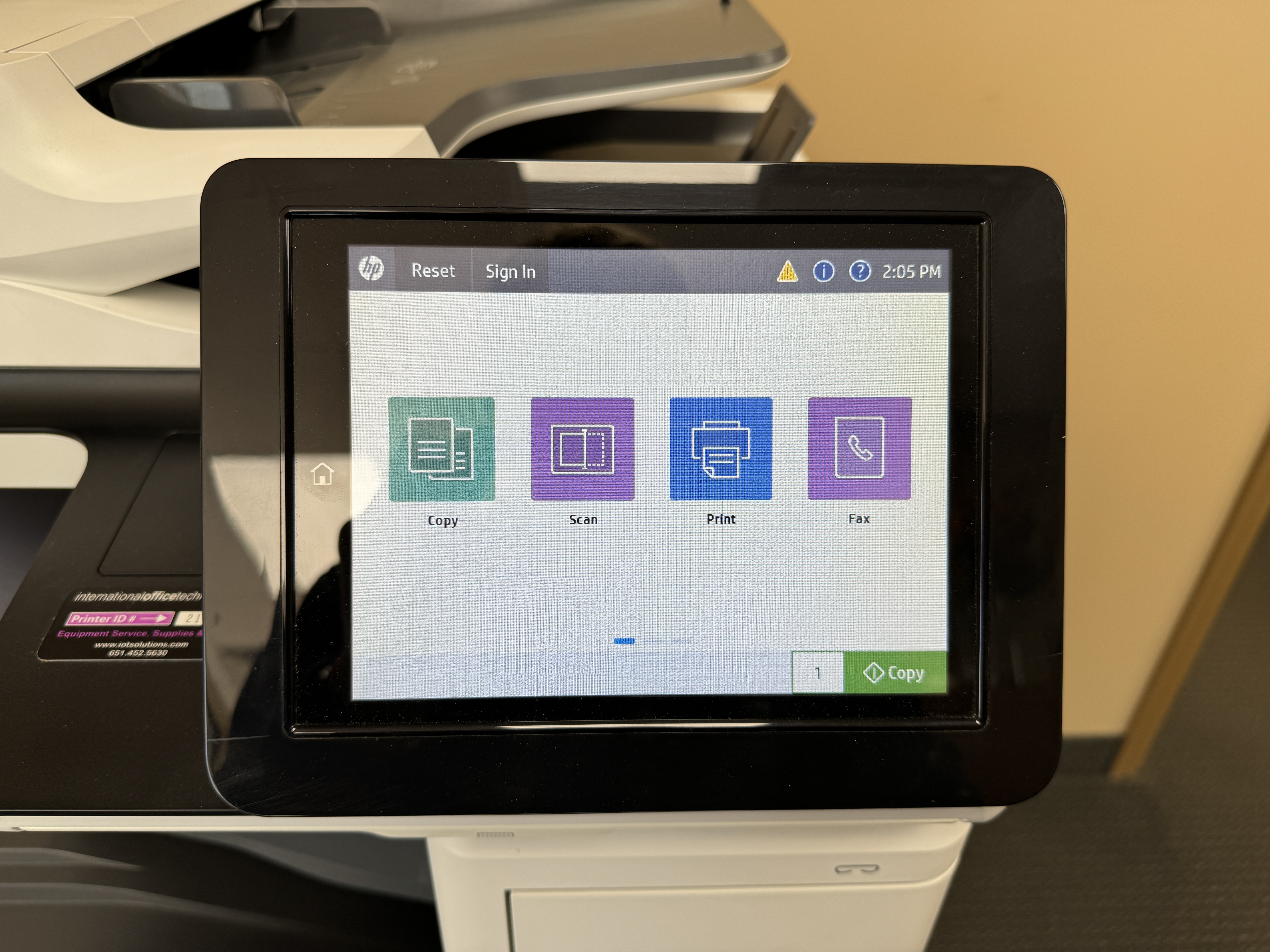
When selecting a copier for your business, it is important to consider your specific needs and requirements. Evaluate your printing needs, including the volume of prints you expect to make on a monthly basis. Consider the type of documents you will be printing, whether they are primarily black and white or color. Additionally, think about any specific features or functionality that your business may require, such as scanning, faxing, or advanced finishing options. It is also important to consider the size and capacity of the copier, ensuring that it can adequately handle your office’s printing demands.
Assessing Your Printing Volume and Needs
Assessing your printing volume and needs is crucial when selecting a copier for your business. Consider the number of pages your office typically prints on a monthly basis. This will help you determine the copier’s duty cycle, which is the maximum number of prints it can handle per month. It is important to choose a copier with a duty cycle that exceeds your monthly print volume to ensure smooth operation and avoid excessive wear and tear. Additionally, consider the cost per page for printing, as this will impact your monthly costs. Some copiers offer features like duplex printing and toner-saving modes, which can help reduce costs by using less paper and toner. By carefully assessing your printing volume and needs, you can choose a copier that meets your requirements while optimizing costs.
Considering the Latest Technological Features
When selecting a copier for your business, it is important to consider the latest technological features available. Copier technology is constantly evolving, and newer models often come with advanced features that can improve efficiency and productivity in the office. Some of these features include wireless connectivity, mobile printing capabilities, cloud integration, and advanced security options. Assess your business’s specific needs and determine which features would be most beneficial for your workflow. For example, if your employees frequently work remotely or use mobile devices, a copier with wireless printing and mobile integration would be advantageous. By considering the latest technological features, you can ensure that your copier is equipped with the tools necessary to support your business’s operations and stay ahead of the competition.
Strategies for Managing and Reducing Copier Expenses
Managing and reducing copier expenses is essential for businesses looking to optimize their budget. Regular maintenance is key to avoiding unnecessary repairs and prolonging the lifespan of the copier. Consider entering into a service contract with the leasing company to ensure regular maintenance and fast response times for repairs. This can provide peace of mind and minimize unexpected expenses. Additionally, leveraging tax advantages of leasing equipment can help reduce the overall cost of copier leasing. By carefully managing and reducing copier expenses, businesses can save money and allocate their financial resources more effectively.
Regular Maintenance to Avoid Unnecessary Repairs
Regular maintenance is crucial for avoiding unnecessary repairs and ensuring the smooth operation of your copier. Here are some key maintenance practices to consider:
- Clean the copier regularly to remove dust and debris that can affect print quality and cause mechanical issues.
- Replace consumables such as toner and paper as needed to prevent jams and maintain optimal print results.
- Schedule regular inspections and tune-ups by a qualified technician to identify and address any potential issues before they become major problems.
- Consider entering into a service contract with the leasing company, which can provide regular maintenance and fast response times for repairs.
- By implementing regular maintenance practices, you can minimize repair costs, prolong the lifespan of your copier, and ensure uninterrupted productivity in the office.
Leveraging Tax Advantages of Leasing Equipment
One of the advantages of leasing equipment, including copiers, is the potential tax benefits for businesses. Leasing allows businesses to deduct lease payments as operating expenses, reducing their taxable income. This can help improve cash flow and allocate financial resources more effectively. Additionally, leasing equipment preserves capital, allowing businesses to invest in other areas of their operations. It is important to consult with a tax professional to fully understand the tax advantages of leasing and how they apply to your specific situation. By leveraging the tax benefits of leasing, businesses can reduce their overall cost of copier leasing and make more informed financial decisions.
Conclusion
In conclusion, understanding the intricacies of copier leasing budgets is crucial for optimizing costs and enhancing operational efficiency. By evaluating copier features, lease terms, and total cost of ownership, businesses can make informed decisions. Negotiation plays a key role in reducing expenses, while strategic maintenance and leveraging tax advantages can further mitigate costs. Choosing between leasing and buying should align with long-term financial goals and technology needs. By implementing effective strategies for managing expenses and selecting the right copier, businesses can streamline operations and maximize budget utilization. Stay informed, negotiate wisely, and tailor your copier leasing approach to suit your business requirements.
Frequently Asked Questions
What Happens If I Exceed My Lease Agreement’s Print Volume?
If you exceed the print volume specified in your lease agreement, you may incur additional fees for excess usage. It’s important to closely monitor your copier usage and choose a lease plan that accommodates reasonable usage fluctuations to avoid extra charges. Be sure to discuss your expected monthly usage with the leasing company during the initial lease negotiation.
Can I Upgrade My Copier Before the Lease Term Ends?
Yes, you can upgrade your copier before the lease term ends. Leasing options allow businesses to upgrade to newer technology during the lease period. However, early termination or upgrading may come with additional costs or penalties. It’s important to discuss the options and terms with the leasing company to make an informed decision.