


Key Highlights
- Printer leasing is a cost-effective option for small businesses that allows them to access the latest printing technology without a large upfront investment.
- Leasing can help improve cash flow by spreading cost of the equipment monthly payments.
- Small can benefit from tax deductions on lease payments saving them money in the long run.
- Printer leasing provides peace of mind by including and support services, ensuring that any issues or breakdowns are taken care of promptly.
- Leasing printers allows small businesses to stay up to date with technology advancements and upgrade their equipment as needed.
Introduction
Printer leasing for small business is a great option for small businesses that need access to high-quality printing equipment without the hefty upfront costs. In today’s competitive business environment, having efficient printing capabilities is essential for smooth day-to-day operations. However, purchasing printers outright can be a significant financial burden for small businesses with limited budgets. That’s where leasing printers for small business comes in. By leasing printers, small businesses can enjoy all the benefits of top-of-the-line printing equipment without the upfront investment.
Leasing printers for small business offers several advantages for small businesses. First and foremost, it provides a cost-effective solution. Rather than paying a large sum of money upfront, small businesses can spread the cost of the printer over monthly lease payments. This helps improve cash flow and allows businesses to allocate their funds to other critical areas.
Another significant benefit of leasing printers for small business is the tax advantages. Lease payments are often tax-deductible as business expenses, providing potential savings for small business owners. These tax benefits can help offset the overall cost of the lease and contribute to additional savings.
Additionally, leasing printers for small business provides peace of mind for small business owners. Most printer lease agreements include maintenance and support services, ensuring that any technical issues or breakdowns are promptly addressed. This eliminates the need for businesses to worry about costly repairs or downtime, allowing them to focus on their core operations.
Overall, leasing printers for small business is a smart choice for small businesses looking to enhance their printing capabilities without breaking the bank. It offers flexibility, cost-effectiveness, and peace of mind, making it an attractive option for small business owners.
https://www.accounts.xerox.com/auth/login.jsf
Understanding Printer Leasing for Small Businesses
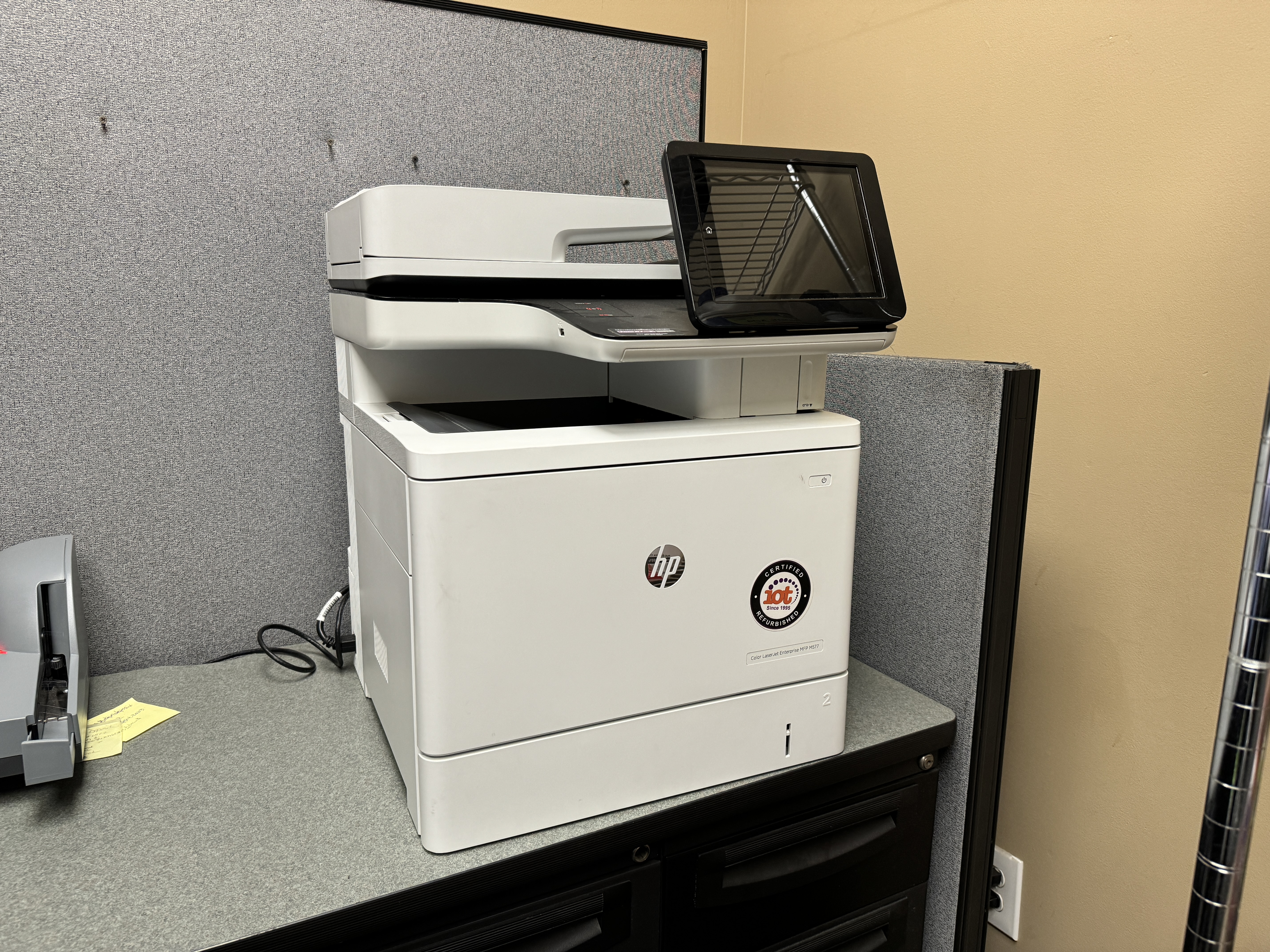
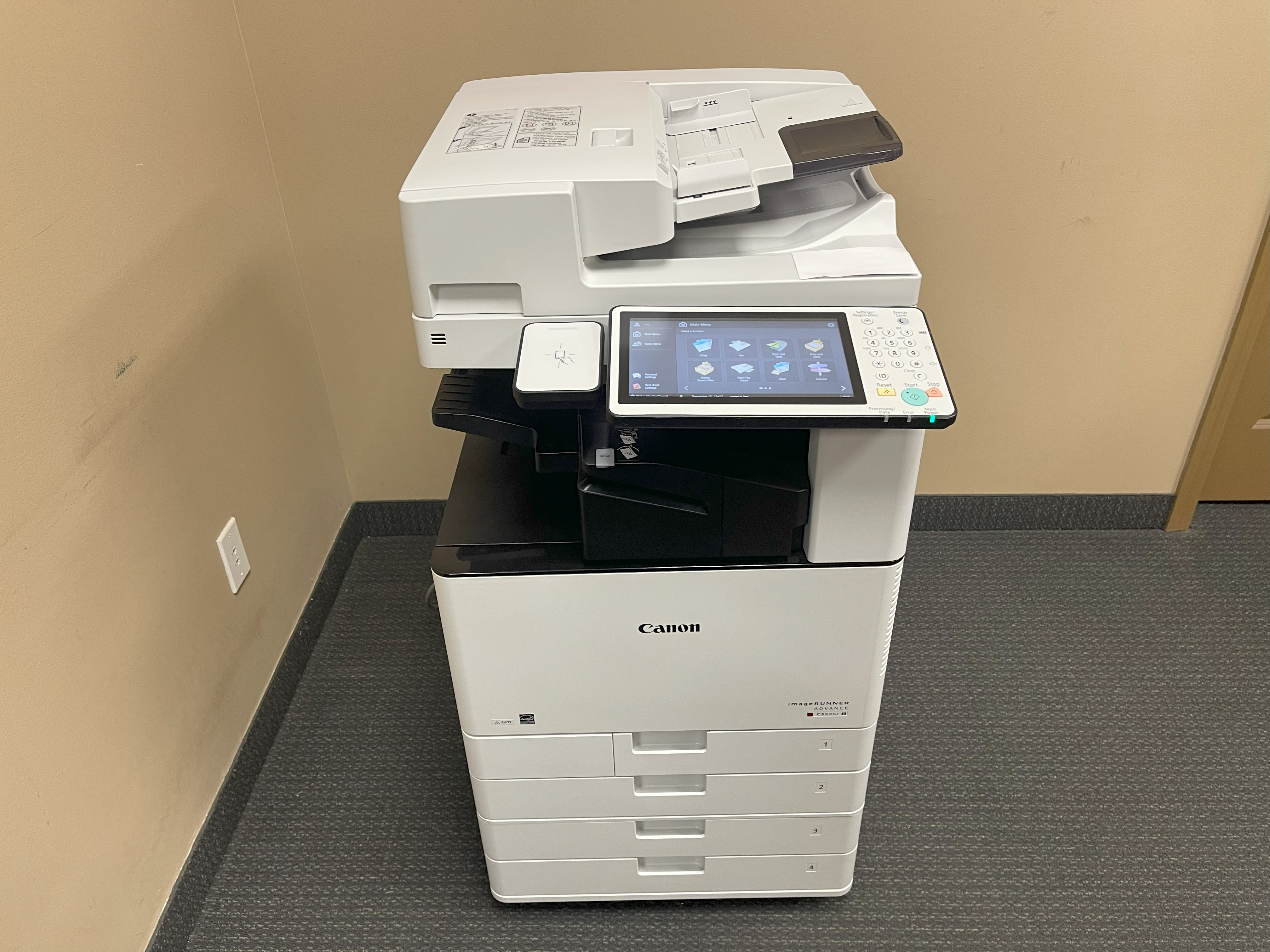
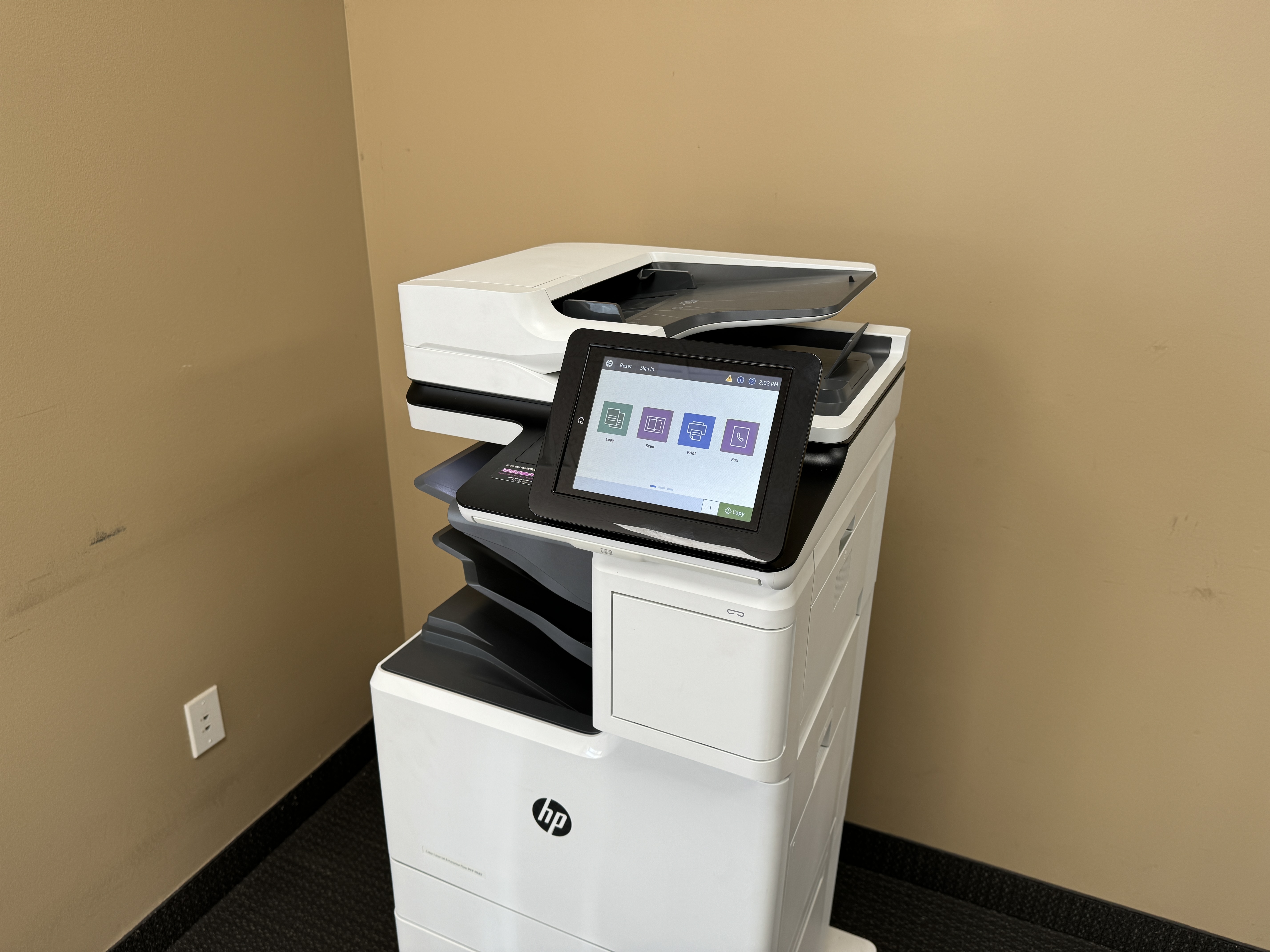
Leasing printers for small business is a form of equipment leasing that allows small businesses to rent printers and copiers from a leasing company for a specified period. Instead of purchasing the equipment outright, businesses make monthly lease payments, which cover the use of the printer during the lease term.
Leasing companies specialize in providing businesses with the latest printing equipment, offering a range of options to suit different needs and budgets. The lease term typically ranges from one to five years, depending on the agreement between the business and the leasing company.
Monthly lease payments are determined based on factors such as the cost of the printer, the lease term, and any additional services included in the agreement. These payments are often more manageable for small businesses compared to the upfront cost of purchasing a printer.
Leasing companies also provide maintenance and support services for the leased printers, ensuring that businesses have access to technical assistance whenever needed. This eliminates the need for businesses to handle repairs or maintenance tasks themselves, saving them time and resources.
Overall, printer leasing offers small businesses the flexibility to access high-quality printing equipment without the financial burden of purchasing outright. It allows businesses to make monthly payments and receive ongoing support, making it a practical and cost-effective solution for their printing needs.
The Basics of Printer Leasing
Leasing printers for small business, also known as printer rental or copier lease agreement, is a flexible solution that allows businesses to equip their offices with the latest printing technology without the large upfront expense of buying. The lease term typically ranges from one to five years, providing businesses with the flexibility to choose the duration that best suits their needs.
During the lease term, businesses pay monthly lease payments to the leasing company, covering the use of the leasing printers for small business or copier. These payments are usually more manageable than the upfront cost of purchasing the equipment outright.
Printer leasing for small business is popular among small businesses because it allows them to access high-quality office equipment without tying up a significant amount of capital. It also provides the flexibility to upgrade to newer models or technology as needed, ensuring that businesses always have access to the latest features and functionality.
In addition to the leasing printers for small business or copier itself, leasing agreements often include maintenance and support services. This means that businesses don’t have to worry about repairs or maintenance tasks, as the leasing company takes care of these aspects. This can save businesses time and resources, allowing them to focus on their core operations.
Overall, printer leasing is a convenient and cost-effective solution for small businesses that need access to reliable printing equipment without the financial burden of purchasing outright. It provides flexibility, affordability, and ongoing support, making it an attractive option for small businesses.
https://en.wikipedia.org/wiki/IT_service_management
https://garage.ext.hp.com/us/en.html
Why Leasing Printers for Small Businesses Makes Sense
Printer leasing is a better option for small businesses compared to purchasing printers outright for several reasons. First and foremost, leasing printers for small business allows businesses to access advanced features and technology that may be out of reach due to budget constraints. This ensures that businesses can stay competitive and meet their printing needs without compromising on quality or functionality.
Small businesses often have limited budgets, and purchasing printers outright can be a significant financial burden. By opting for leasing printers for small business, businesses can spread the cost of the equipment over monthly lease payments, making it more manageable and freeing up capital for other business expenses.
In addition to affordability, leasing printers for small business offers the flexibility to upgrade to newer models or technology as needed. This ensures that businesses always have access to the latest features and functionality, keeping them ahead of the curve in terms of printing capabilities.
Moreover, leasing printers for small business eliminates the need for businesses to worry about maintenance and repairs. Most leasing agreements include maintenance and support services, ensuring that any technical issues or breakdowns are promptly addressed. This saves businesses time and resources, allowing them to focus on their core operations.
Overall, printer leasing is a sensible choice for small businesses looking to enhance their printing capabilities without straining their budget. It provides access to advanced features, flexibility, and ongoing support, making it an attractive option for small business owners.
https://americanhistory.si.edu/collections/search/object/nmah_1085916
How to Choose the Right Printer Lease
Choosing the right printer lease is crucial to ensure that your small business gets the most out of the arrangement. Here are some key factors to consider when selecting a printer lease:
- Identify your specific printing needs: Determine whether you need a laser printer, a multifunction copier, or any other specific features based on your business requirements.
- Evaluate lease options: Research different leasing companies and compare their terms and offerings. Look for flexibility in lease terms, including options for upgrades or downgrades as your business needs change.
- Consider the reputation of the leasing company: Read customer reviews and consider the track record of the leasing company. Look for a reputable company with good customer service and reliable support.
- Assess the lease agreement: Review the lease agreement thoroughly, paying attention to the terms, conditions, and any additional fees or costs. Ensure that the agreement aligns with your business needs and budget.
By carefully considering these factors, you can choose the right printer lease that meets your small business’s printing requirements and budget constraints.

Evaluating Your Business’s Printing Needs
Evaluating your business’s printing needs is a crucial step in choosing the right printer lease. Here are some factors to consider when assessing your printing requirements:
- Print volume: Determine how much printing your business does on a regular basis. This will help you determine whether you need a high-volume printer or a more basic model.
- Print quality: Consider the level of print quality your business requires. If you need high-resolution prints or professional-level graphics, you may need a printer with advanced print capabilities.
- Functionality: Decide whether you need a printer that can handle multiple tasks, such as printing, scanning, copying, and faxing. This will help you determine whether a multifunction copier is necessary.
- Location: Consider the physical space available for the printer in your office. Determine whether you need a desktop printer or a larger business copier that can handle the needs of multiple employees.
By evaluating these aspects of your business’s printing needs, you can make an informed decision when choosing a printer lease that aligns with your requirements.
https://www.ibisworld.com/united-states/market-research-reports/computer-printer-leasing-industry/
Comparing Lease Terms and Conditions
When choosing a printer lease, it’s essential to compare the terms and conditions of different leasing agreements. Here are some factors to consider:
- Lease duration: Determine the length of the lease term and ensure it aligns with your business needs. Consider whether you need a short-term lease for flexibility or a long-term lease for stability.
- Flexibility: Look for lease agreements that offer flexibility, such as the option to upgrade or downgrade your equipment as needed. This ensures that your lease can adapt to changes in your business requirements.
- Additional fees or costs: Review the lease agreement for any hidden fees or additional costs that may be incurred during the lease term. Make sure you understand what is included in the lease payments and what may require additional payment.
- Maintenance and support: Consider the level of maintenance and support provided by the leasing company. Look for agreements that include regular maintenance and prompt technical support to minimize downtime.
By comparing lease terms and conditions, you can choose a printer lease agreement that offers the best value for your small business and meets your specific needs.
Assessing Printer Features and Technology
When choosing a printer lease, it’s important to assess the features and technology of the printers available. Here are some factors to consider:
- Print quality: Determine the level of print quality your business requires. Consider whether you need high-resolution prints for professional purposes or if standard print quality is sufficient.
- Advanced features: Evaluate the advanced features offered by different printers, such as duplex printing, wireless connectivity, or large paper capacity. Determine which features are essential for your business needs.
- Printer type: Consider whether your business requires a commercial printer for high-volume printing or a smaller printer suitable for a home office or small workspace.
By assessing these printer features and technology, you can choose a printer lease that provides the necessary functionality and meets the specific requirements of your small business.
https://www.keypointintelligence.com/hpbesteverydayprintquality
https://www.kyoceradocumentsolutions.us/en/products/production-printing/TASKALFAPRO15000C.html
Financial Aspects of Leasing Printers
Understanding the financial aspects of leasing printers is crucial for small businesses. Here are some key considerations:
- Upfront costs: Evaluate whether the lease agreement requires any upfront payment or deposit. Consider the impact on your cash flow and budget before entering into a lease agreement.
- Customer reviews: Research leasing companies and read customer reviews to gauge their reputation and reliability. Consider feedback from other small businesses to make an informed decision.
- Monthly payments: Understand the monthly lease payments and ensure they fit within your budget. Consider the overall cost of the lease, including any additional fees or costs.
By considering these financial aspects, you can make a well-informed decision when leasing printers for your small business.
Analyzing the Cost-Benefit of Leasing vs. Buying
Analyzing the cost-benefit of leasing printers versus buying outright is essential for small businesses. Here are some factors to consider:
- Initial investment: Leasing requires lower upfront costs compared to purchasing printers outright. This can free up capital for other business expenses.
- Cash flow management: Leasing allows for more predictable monthly payments, making it easier to manage cash flow compared to a large upfront purchase.
- Technology upgrades: Leasing allows businesses to upgrade to newer technology and advanced features as needed, ensuring they always have access to the latest printing capabilities.
- Tax benefits: Lease payments are often tax-deductible as business expenses, providing potential savings for small businesses.
When analyzing the cost-benefit, consider your business’s specific needs, budget constraints, and long-term goals. By weighing the advantages and disadvantages of leasing versus buying, you can make an informed decision that provides the most value for your small business.

Hidden Costs to Be Aware Of
While leasing printers can be a cost-effective solution for small businesses, it’s essential to be aware of any hidden costs. Here are some potential hidden costs to consider:
- Unnecessary equipment costs: Some leasing agreements may include additional equipment or features that your business doesn’t need. Review the lease agreement carefully to ensure you’re only paying for what you actually require.
- Copier model: Higher-end copier models may come with higher lease payments. Consider whether the advanced features and functionality of these models are necessary for your business needs.
- Toner and supplies: Leasing agreements may require businesses to purchase toner and other supplies separately. Factor in these costs when evaluating the overall expense of the lease.
By being aware of potential hidden costs, you can accurately assess the total cost of leasing and make an informed decision that aligns with your small business’s budget and requirements.
How Lease Payments Are Calculated
Lease payments for printers are typically calculated based on various factors. Here’s a breakdown of how lease payments are typically determined:
- The cost of the printer: The total cost of the printer or copier is one of the primary factors influencing lease payments. Higher-priced machines will generally result in higher monthly payments.
- Lease term: The duration of the lease agreement also plays a role in determining lease payments. Longer lease terms often result in lower monthly payments compared to shorter terms.
- Additional services: If the leasing company includes maintenance, support, or other services in the lease agreement, these factors may also impact the monthly payments.
- Interest rate: In some cases, lease payments may include an interest component. The interest rate is determined by the leasing company and can vary based on market conditions and the lessee’s creditworthiness.
It’s important to review the lease agreement carefully to understand how the lease payments are calculated and ensure they are affordable for your small business. Consider comparing quotes from different leasing companies to find the best leasing terms and monthly payments for your needs.
|
Column Name A |
Column Name B |
|
Cost of the printer |
Determined by the leasing company based on the equipment chosen |
|
Lease term |
Typically ranges from one to five years |
|
Additional services |
Maintenance, support, or other services included in the lease agreement |
|
Interest rate |
May be included in lease payments based on market conditions and creditworthiness |
|
Total monthly payments |
The sum of the above factors |
Setting Up Your Leased Printer
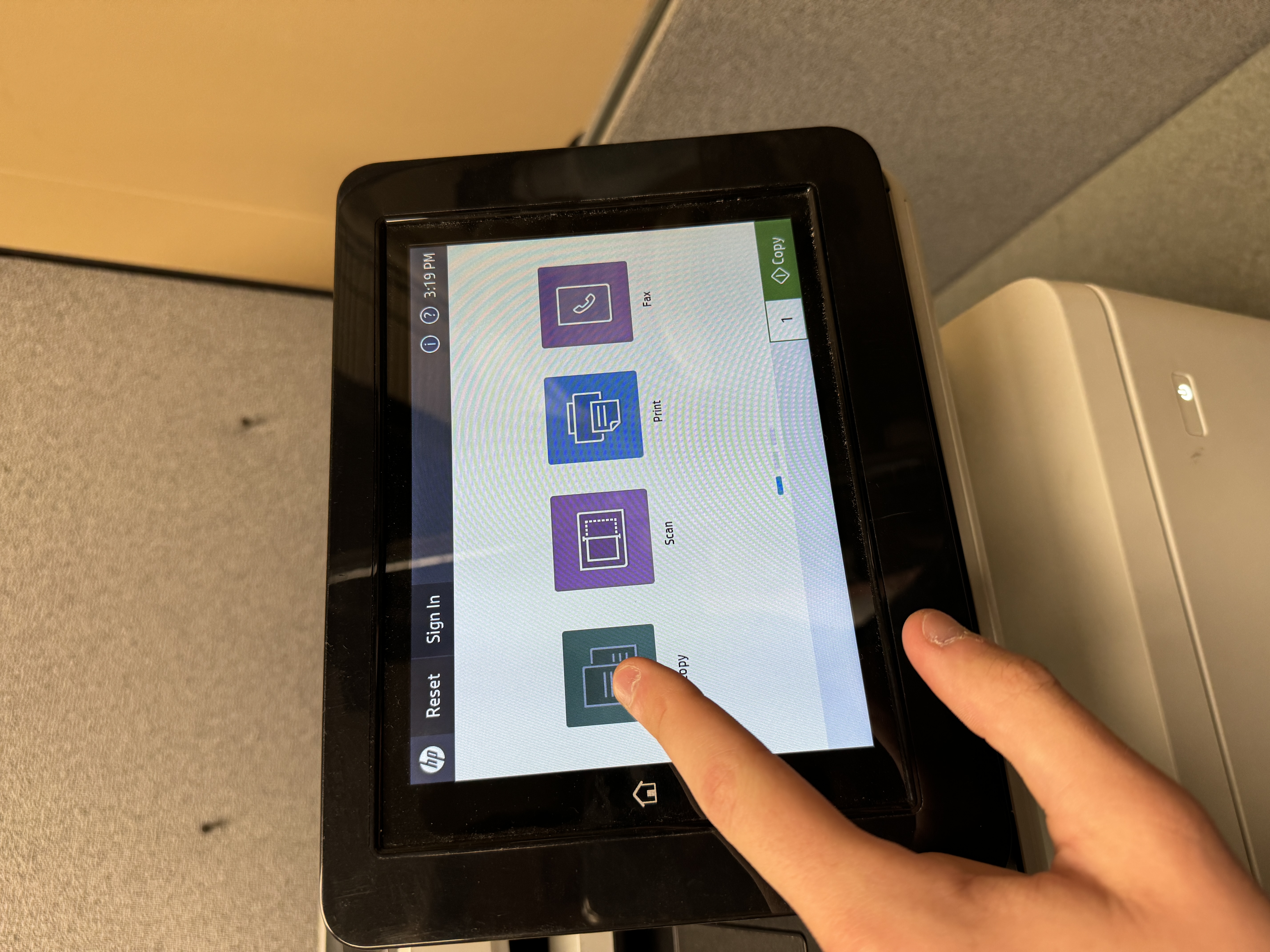
Once you have leased a printer for your small business, it’s important to set it up properly to ensure smooth operations. Here are some steps to follow:
- Installation: Follow the manufacturer’s instructions to install the printer correctly. This may involve connecting cables, installing software, and configuring settings.
- Configuration: Adjust the printer settings according to your business’s needs. Set preferences such as print quality, paper size, and default settings.
- Training: Familiarize yourself and your employees with the printer’s features and functionalities. Train them on how to perform basic maintenance tasks and troubleshoot common issues.
By setting up your leased printer properly and providing training, you can ensure that your small business gets the most out of the equipment and enjoys efficient printing capabilities.
Installation and Configuration Tips
Proper installation and configuration of a leased printer for small business are crucial for optimal functionality. Here are some tips to help you set up your leased printer successfully:
Follow the manufacturer’s instructions: Carefully read the printer’s user manual or installation guide provided by the manufacturer. Follow the step-by-step instructions to ensure proper installation.
Connect the printer correctly: Ensure that all cables are securely connected to the printer and the appropriate ports on your computer or network. This includes power cables, USB or Ethernet cables, and any additional accessories.
Install necessary software: Install any required software or drivers provided by the manufacturer. This software enables your computer to communicate with the leased printer effectively.
Configure printer settings: Adjust the printer settings according to your small business’s needs. This includes setting print quality, paper size, default settings, and any specific preferences required for your workflow.
By following these installation and configuration tips for leasing printers for small business, you can ensure that your leased printer is set up correctly and ready for efficient use in your small business.
https://www.microsoft.com/en-us/windows/
https://www.irs.gov/publications/p946
Training Your Staff on New Equipment
Training Your Staff on New Equipment
When leasing printers for small business, it’s important to consider how to train your staff on the new equipment. This ensures that they can fully utilize the features and capabilities of the leased printers, leading to increased productivity and efficiency.
Start by providing comprehensive training sessions on the operation and maintenance of leasing printers for small business. This can be done by the leasing company or by designated employees within your business who have been trained on the equipment. Make sure to cover topics such as loading paper, replacing toner cartridges, and troubleshooting common issues.
In addition to initial training, it’s important to provide ongoing support and resources for your staff leasing printers for small business. This can include user manuals, online tutorials, and a dedicated point of contact for any questions or issues that may arise. By investing in staff training and support, you can ensure that your small business gets the most out of the leased printers and maximize the return on your investment.
Maintenance and Support for Leased Printers
Maintenance and Support for Leased Printers
When leasing printers for small business, it’s important to understand the maintenance and support services included in your lease agreement. This ensures that your leased printers are kept in optimal condition and any technical issues can be resolved quickly.
Most lease agreements include a maintenance clause that outlines the responsibilities of both the leasing company and the lessee. This typically covers routine maintenance, such as cleaning and servicing the printers, as well as repairs for any mechanical or technical issues.
In addition to maintenance, the leasing company should also provide ongoing support and troubleshooting assistance. This can include a dedicated support hotline or online portal where you can report any issues and receive timely assistance.
By ensuring that your leased printers receive regular maintenance and support, you can minimize downtime and keep your small business running smoothly.
Understanding Your Lease Agreement’s Maintenance Clause
Understanding Your Lease Agreement’s Maintenance Clause
When leasing printers for small business, it’s important to carefully review and understand the maintenance clause in your lease agreement. This clause outlines the responsibilities of both the leasing company and the lessee when it comes to the maintenance and repair of the leased printers.
The maintenance clause typically covers routine maintenance tasks for leasing printers for small business, such as cleaning and servicing the printers, to ensure optimal performance. It may also specify the frequency of maintenance visits by the leasing company.
In some cases, the maintenance clause for leasing printers for small business may also include the provision of inclusive office copiers. This means that if the leased printer requires major repairs or replacement, the leasing company will provide a temporary replacement printer to ensure minimal disruption to your business operations.
It’s important to clarify any questions or concerns regarding the maintenance clause for leasing printers for small business before signing the lease agreement. This ensures that both parties have a clear understanding of their responsibilities and that the leased printers will be properly maintained throughout the lease term.
Troubleshooting Common Issues
Troubleshooting Common Issues
Even with regular maintenance, leased printers may encounter common issues that need to be addressed. Knowing how to troubleshoot these issues can save time and minimize downtime in your small business.
Some common issues that may arise with leased printers include paper jams, print quality problems, and connectivity issues. In many cases, these issues can be resolved by following simple troubleshooting steps provided by the leasing company or outlined in the printer’s user manual.
If you encounter a problem that you are unable to resolve on your own, it’s important to reach out to the leasing company for assistance. They can provide guidance over the phone or dispatch a technician to your location to resolve the issue.
By being proactive in troubleshooting and addressing common printer issues, you can ensure that your leased printers continue to operate smoothly and support your small business’s printing needs.
https://www.onetrust.com/products/cookie-consent/
End of Copier Lease Options
End of Lease Options
As your printer lease term comes to an end, you will have several options to consider. Understanding these options will help you make an informed decision about the future of your printing equipment.
One option is to renew your lease with the leasing company. This allows you to continue using the leased printers and potentially upgrade to newer models. Renewing your lease provides continuity and ensures that your small business has access to the latest printing technology.
Another option is to return the leased printers to the leasing company. This may be a suitable choice if your small business’s printing needs have changed or if you prefer to explore other printing solutions.
Lastly, you may have the opportunity to upgrade to a new model at the end of your lease term. This option allows you to take advantage of the latest features and advancements in printing technology.
Consider your small business’s current and future printing needs to determine which end of lease option is the best fit for your business.
Renewing Your Lease vs. Returning the Printer
Renewing Your Lease vs. Returning the Printer
When your printer lease term is nearing its end, you will need to decide whether to renew the lease or return the printer. Both options have their advantages and it’s important to consider your small business’s specific needs.
Renewing the lease allows you to continue using the leased printers, potentially upgrading to newer models. This provides continuity and ensures that your small business has access to the latest printing technology. However, it’s important to carefully review the terms of the lease renewal, including any changes in monthly payments or lease duration.
Returning the printer may be a suitable option if your small business’s printing needs have changed or if you prefer to explore other printing solutions. This allows you to return the leased printers to the leasing company and potentially lease new equipment that better meets your needs.
Consider your small business’s current and future printing needs, as well as the terms of your lease agreement, when deciding whether to renew or return the printer at the end of the lease term.
Upgrading to a New Model at Lease End
Upgrading to a New Model at Lease End
At the end of your printer lease term, you may have the opportunity to upgrade to a new model. This option allows you to take advantage of the latest features and advancements in printing technology.
Upgrading to a new model can offer several benefits for your small business. It can improve printing efficiency, increase productivity, and provide access to advanced features that may not have been available with the previous leased printers.
When considering an upgrade, it’s important to assess your small business’s printing needs and determine which features are most important. This will help you select a new model that aligns with your requirements and provides the best value for your business.
Consult with the leasing company to explore the available upgrade options and discuss any changes in lease terms or monthly payments that may be associated with the upgrade. This ensures that you make an informed decision that meets your small business’s printing needs.
Conclusion
Leasing printers for small businesses can be a strategic investment for cost-effective and efficient printing solutions. Understanding the basics, evaluating lease terms, and analyzing financial aspects are crucial steps in making the right decision. Consider maintenance, support, and end-of-lease options to ensure smooth operations. By setting up proper installation, training staff, and considering lease renewal or upgrades, you can maximize the benefits of printer leasing. Always compare different companies, factor in tax benefits, and consider environmental impacts for a well-rounded decision-making process in selecting the best printer lease for your small business needs.
Frequently Asked Questions
Can I cancel my printer lease early?
Frequently Asked Questions
Can I cancel my printer lease early?
Yes, it is possible to cancel a printer lease early, but it may come with penalties and fees. The specific terms and conditions for early lease termination will vary depending on the lease agreement and the leasing company. It’s important to review your lease agreement carefully and consult with the leasing company to understand the costs and implications of canceling the lease early. Keep in mind that early termination fees may apply, and you may be responsible for returning the leased printer in good condition.
What happens if the leased printer is damaged?
What happens if the leased printer is damaged?
If the leased printer is damaged during the lease term, the lessee is typically responsible for the repair costs. The lease agreement will outline the lessee’s responsibilities regarding the maintenance and care of the leased printer. It’s important to report any damage to the leasing company as soon as possible and follow their instructions for repair or replacement. Failure to properly care for the leased printer may result in additional charges or penalties.
Is it possible to upgrade printers during the lease term?
Is it possible to upgrade printers during the lease term?
Yes, it is possible to upgrade printers during the lease term. Many leasing companies offer options for upgrading to newer models with advanced features. However, there may be additional costs associated with the upgrade, such as changes in monthly payments or lease duration. It’s important to consult with the leasing company to understand the available upgrade options and any associated costs before making a decision.
How do I choose between different printer leasing companies?
How do I choose between different printer leasing companies?
When choosing between different printer leasing companies, it’s important to consider factors such as customer reviews, service quality, and the range of leasing options available. Reading customer reviews can provide insights into the experiences of other businesses and help you assess the reliability and reputation of the leasing companies. Additionally, consider the level of customer service provided by the leasing companies and their ability to meet your specific printing needs. Comparing the leasing options, including lease terms and monthly payment options, can also help you make an informed decision.
Are there any tax benefits to leasing a printer for my business?
Are there any tax benefits to leasing a printer for my business?
Yes, there can be tax benefits to leasing a printer for your business. Lease payments for printers are often considered business expenses and may be tax-deductible. Consult with a tax professional or accountant to understand the specific tax benefits and deductions available in your jurisdiction. Keeping accurate records of lease payments and lease agreements can help support any tax deductions related to printer leasing.
What are the environmental considerations of leasing vs. buying a printer?
What are the environmental considerations of leasing vs. buying a printer?
Leasing printers can have environmental benefits compared to buying new printers. Leasing allows for the reuse of equipment, reducing the demand for new manufacturing. Additionally, at the end of the lease term, the leasing company can properly dispose of or recycle the leased printer. This reduces electronic waste and promotes sustainability. However, it’s important to choose a leasing company that prioritizes environmentally responsible practices to ensure that leased printers are disposed of properly.