


Key Highlights
By leasing commercial printers and copiers, you get peace of mind knowing you’re always using the latest technology without having to buy new stuff all the time. With flexible lease terms, it’s easy to find the right equipment that fits exactly what you need, whether it’s a desktop copier, a high-volume manufacturing printer, or a complete office equipment setup. This way, there’s no big upfront cost for office equipment, helping manage your money better. Leasing gives access to up-to-date gear without worrying about costly upgrades or fixing things when they break down. Plus, with a lease agreement, there’s freedom to switch up or improve your equipment as your needs grow and change.
Introduction
In today’s business scene, having the right office equipment is super important. A lot of companies need to get their hands on the latest technology but want to avoid paying a big amount all at once. This guide will make it easier for you to understand how leasing stuff like commercial printers and copiers works. We’ll look into what lease agreements are all about, weigh the pros and cons of short-term versus long-term leases, and discuss how leasing affects your finances. By getting familiar with these details, small businesses can equip themselves properly without stressing over costs. So let’s dive deep into why renting office devices, such as an office printer, could be a smart move in the long run, giving you both advanced tools for work and peace of mind.

https://www.accounts.xerox.com/auth/login.jsf
https://www.elevityit.com/managed-voice-services
Understanding the Basics of Commercial Printer and Copier Leasing
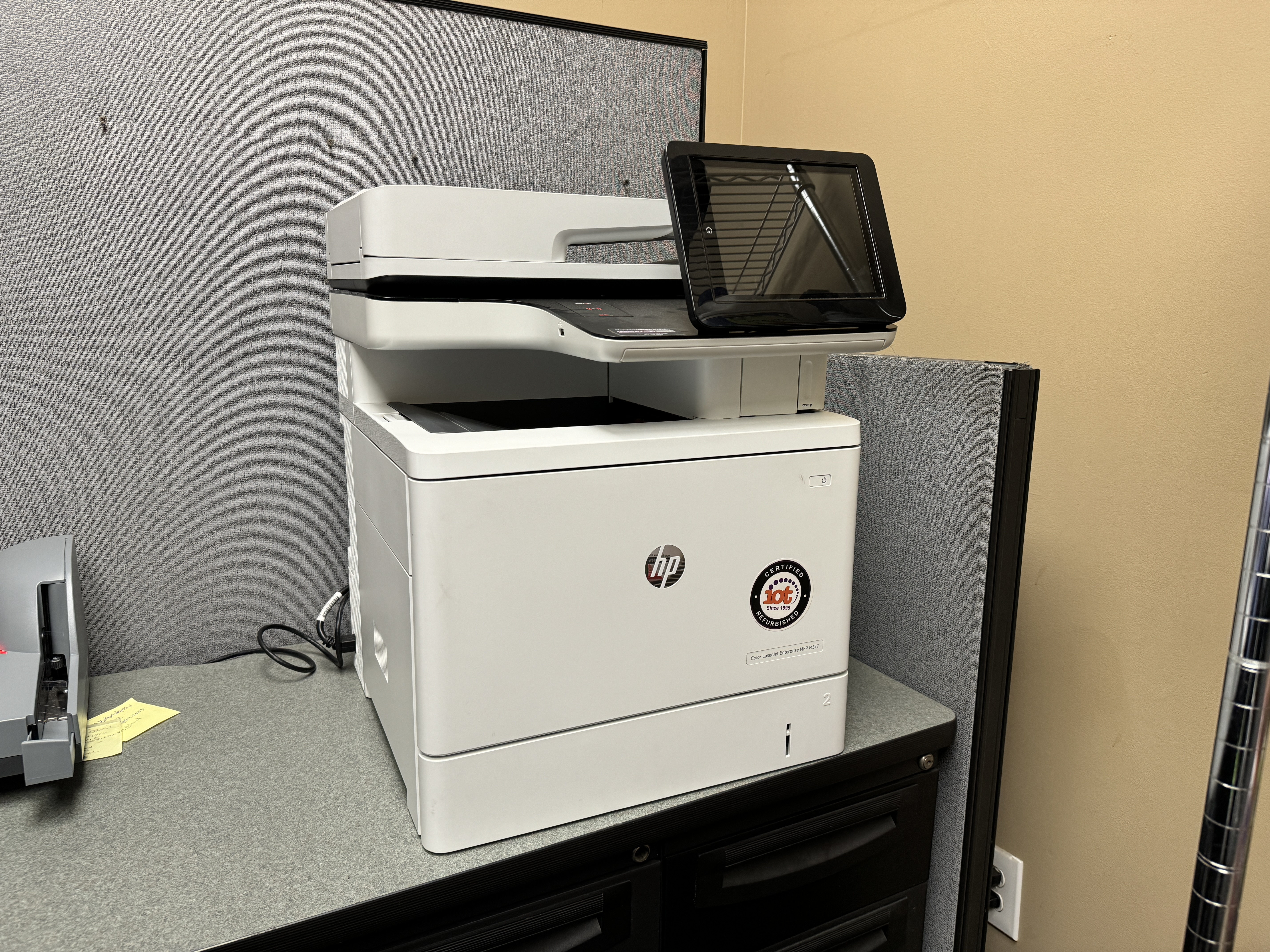
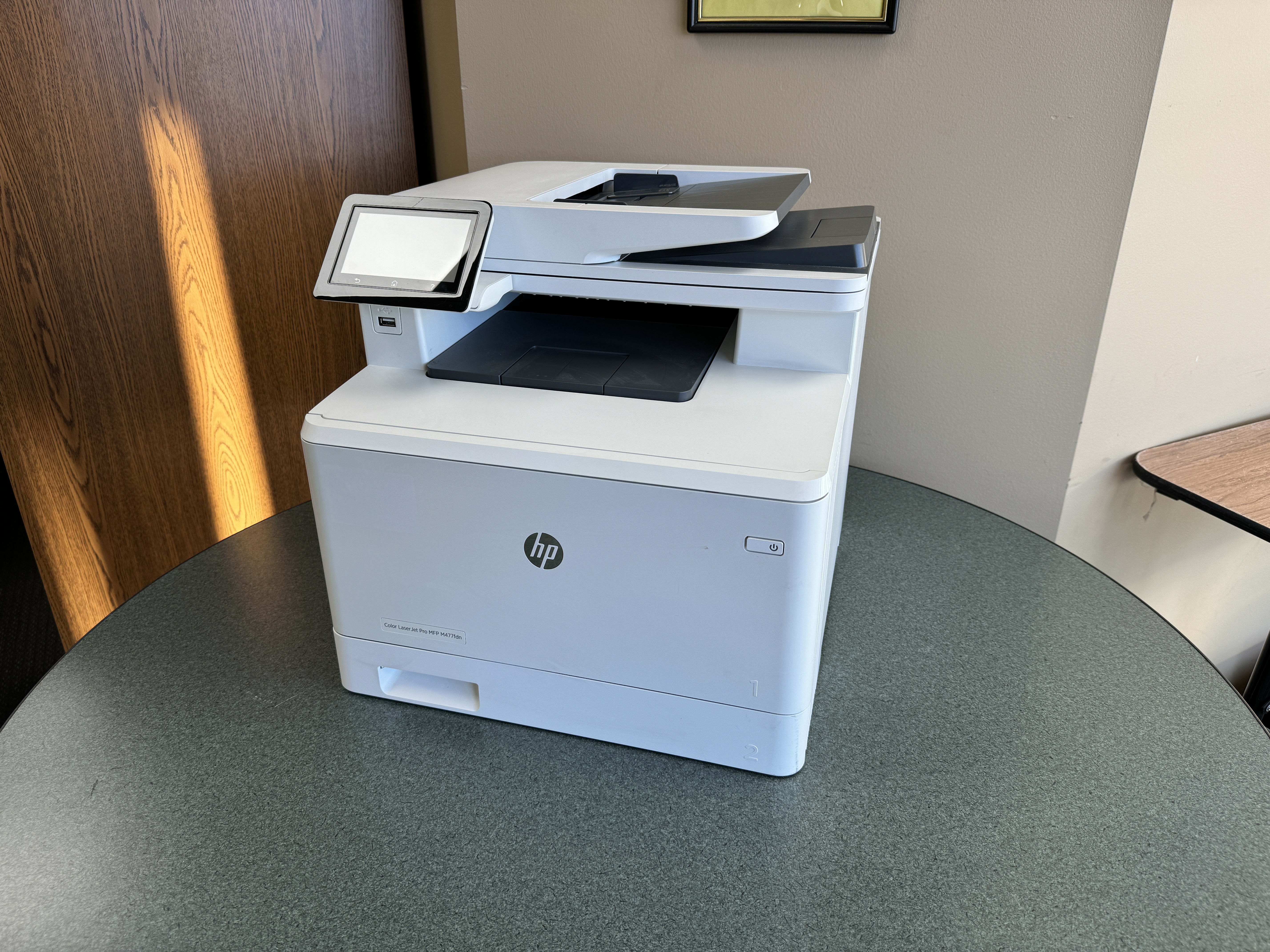
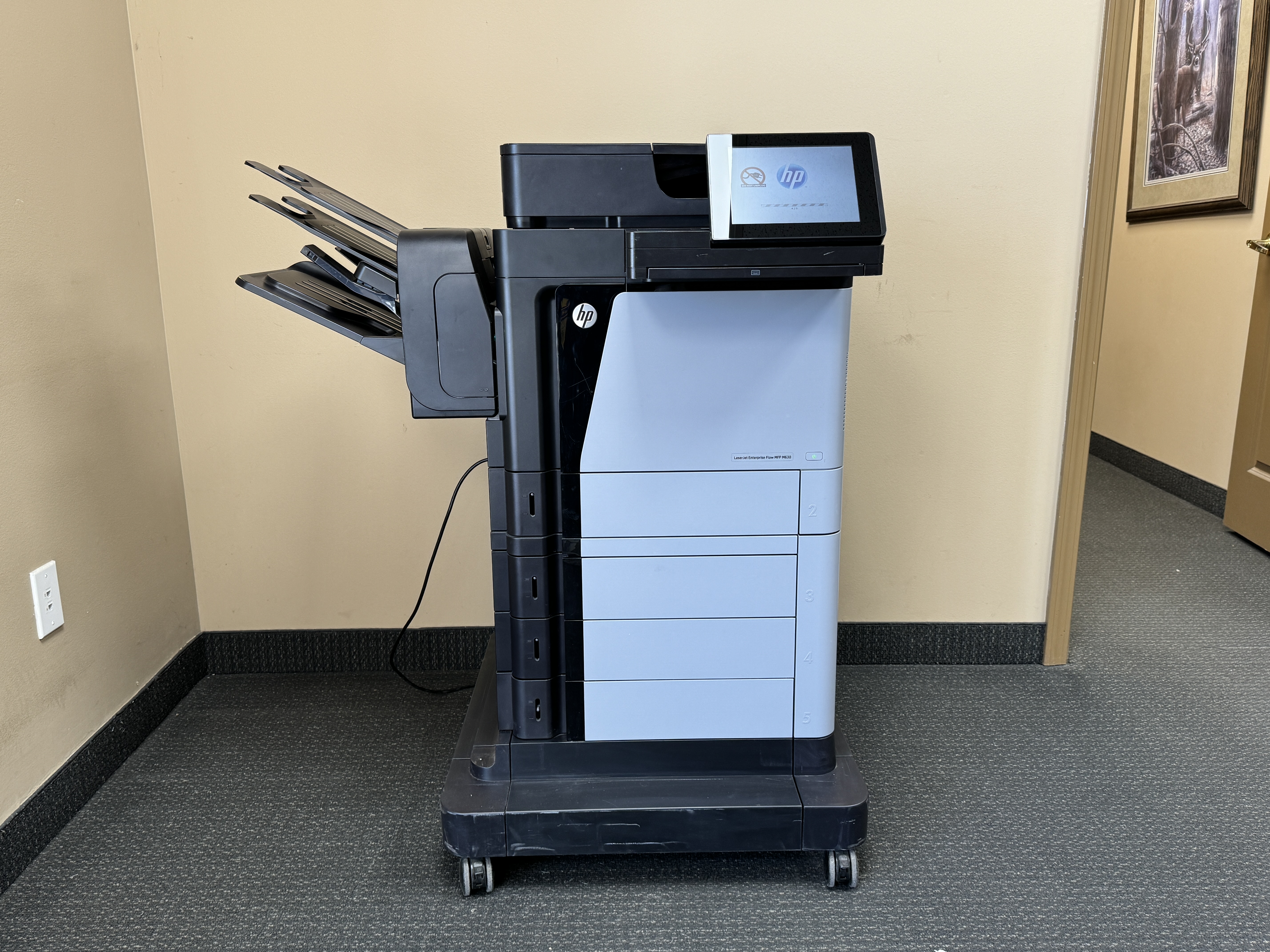
When businesses decide to lease commercial printers and copiers, they’re choosing a path that gives them the freedom to use cutting-edge technology without having to pay a lot of money right away. With a lease agreement, companies can pick out the perfect equipment for their needs, whether it’s just a printer for a small office or an advanced commercial copier. By getting familiar with how long the lease lasts and what they’ll have to pay each month, businesses are able to make choices that help keep their cash flow healthy over time. This way of doing things offers peace of mind because they know they’ve got top-notch office equipment ready for use, along with maintenance and support taken care of. It’s important to carefully review the terms of any copier lease agreement and compare different options before making a decision.
Why Businesses Opt for Leasing Over Buying
Many businesses choose to lease commercial printers and copiers instead of buying them. By leasing, they can easily switch to the newest technology without having to own it. This option is great because it lets companies manage their money better with steady monthly payments. With leasing, there’s no need for big payments at the start that you usually see when purchasing office equipment. It also means companies don’t have to worry about fixing or maintaining things themselves, giving them peace of mind and letting them focus on their work without any interruptions. Overall, leasing is a smart way for getting the right equipment needed for an office while avoiding large upfront costs and receiving expert support from our team of experts.
Key Terms Explained: Lease Agreements, Contracts, and Commitments
When it comes to leasing printers and copiers for your business, getting a grip on lease agreements, contracts, and commitments is crucial. These elements lay down the groundwork for how things will run. With a lease agreement, you get to understand all the conditions of your lease. Contracts are there to make sure everyone knows their legal duties. And with commitments, you’re clear about what’s expected from you while the lease lasts. By really understanding these important parts before diving into any leasing deal ensures that everything goes smoothly and sets up a strong partnership right from the start.

https://garage.ext.hp.com/us/en.html
Comparing Lease Terms: Short-Term vs. Long-Term Leases
When businesses are looking for a quick fix or want to try out some gear, they often go with short-term leases because these agreements give them the freedom to move around. On the other hand, long-term leases are great for companies thinking about the long run since they can offer more stability and might even save money over time. It’s really important to get what each type of lease involves in terms of time, money, and commitment so you can pick the best deal that suits your needs. By carefully considering both the pros and cons, businesses can make sure they’re getting their hands on the right equipment while also keeping peace of mind.

Benefits and Drawbacks of Short-Term Leases
Short-term leases are great for businesses that want to keep up with the latest technology because they allow companies to change things up quickly. With these types of leases, small businesses find it easier to get their hands on fancy office equipment without breaking the bank, thanks to flexible lease terms. On the downside, going this route might mean spending more money at first due to upgrading more often and possibly facing higher initial costs and not-so-great financial conditions compared to longer contracts. When looking for the best deal on office solutions, companies need to think about these pros and cons carefully.
When to Consider a Long-Term Lease for Your Business
If you’re looking for a way to keep things stable and save some money for your business, going with long-term leases is a smart move. When your company needs to use fancy office stuff like fast commercial copiers all the time, choosing a lease that lasts longer can really give you peace of mind. For businesses where what they need technology-wise isn’t likely to change much soon, sticking with one lease term helps keep your budget in check and cuts down on the bother of having to talk about new deals or getting newer equipment often. Think about picking a long-term lease if you want everything to run smoothly without any surprise costs popping up. The perks? You might spend less over time and won’t have interruptions in how work gets done.
The Financial Implications of Leasing Printers and Copiers
Understanding the money side of leasing printers and copiers is really important for your business. It’s all about knowing what it will cost you and how this could play into your cash flow and overall budget.
With leasing, a big thing to look at is how much it costs on average. The price tag for renting a printer or copier changes based on stuff like what kind of machine it is, how long you’re renting it for, and who you’re renting from. Generally speaking, getting a commercial printer through a printer leasing company might set you back between $100 to $900 every month. For smaller copy machines that don’t do as much volume, prices can start around $65 monthly. Before signing anything, make sure to go over the lease agreement carefully so the total expense over time doesn’t surprise you later.
A plus side with leasing comes in handling initial expenses better. If buying one outright seems too steep—something not unusual for newer or smaller businesses—leasing spreads out those costs across months making things easier on your wallet now which helps keep more money available for other areas needing attention in your business.
On top of that by having fixed payments each month makes planning out finances smoother since there won’t be any guesswork involved regarding this particular expense allowing companies especially ones whose income isn’t always steady throughout the year manage their funds better
Talking taxes another point worth mentioning when considering leased equipment such as printers/copiers they may offer tax breaks because these payments often qualify as deductible business expenditures but checking with someone who knows their way around tax codes would give clearer insights here
In wrapping up going through option whether rent necessary office tech does bring several financial considerations table weighing against needs versus resources alongside understanding commitments made via terms laid down within lease agreements crucial ensuring choice made fits well within framework company’s operational budgets maintaining healthy cash flow while possibly enjoying benefits like lower upfront investments predictable payment schedules even potential perks come along taxation front
Upfront Costs vs. Monthly Payments: What to Expect
When you’re thinking about leasing printers and copiers, it’s really important to look at both the initial costs and what you’ll be paying every month. This helps make sure it fits with your budget and financial plans.
With leasing, the first amount of money you need to pay is usually way less than if you were buying these machines straight up. Leasing spreads out the cost over time which can make things easier on your business’s wallet. The upfront cost covers any start-up fees like setting everything up or installation, plus the first payment for starting the lease.
On top of that initial cost, there are monthly payments to think about. These payments depend on what kind of equipment you’re getting, how long your lease will last, among other things. It’s super important to go through your lease agreement carefully so you know exactly how much each month will set back and if there are extra charges like for maintenance or help services.
Budgeting plays a big role in handling these upfront costs and monthly bills right. By knowing well how money flows in and out of your business (cash flow)and what financial resources are available, you can figure out just how much cash can go towards those lease payments without causing trouble down line.This careful planning makes sure that leasing stuff like printers doesn’t mess with your overall spending plan.

How Leasing Affects Your Business Cash Flow
When you lease printers and copiers, it can really help with your business’s cash flow. It’s key to get how leasing plays into your cash flow and make plans for it.
With a lease, you’re able to spread the cost of getting new equipment over time instead of paying all at once upfront. This is great because it lets you keep more cash on hand and gives you some wiggle room in managing your money. By having fixed monthly payments throughout the lease term, planning out your budget gets easier, letting you use your cash for other parts of running the business.
One big plus about leasing is knowing exactly what your monthly payments will be. When buying equipment outright, costs for upkeep or fixes can come out of nowhere. But most times when you lease, keeping everything working as part of the deal often means no surprise bills for maintenance.
Before jumping into any decisions though, take a close look at all that comes with the lease agreement—like total costs over time including any extra fees or charges during the lease term. Understanding this helps figure out how leasing affects your cash flow, guiding better choices on whether leasing fits right with what’s best for our company.
To stay financially solid while meeting all needs, leasing could play an important role if done wisely considering its impact on cash flow. Getting advice from financial pros like advisors or accountants might be smart too; they can help weave those printer and copier leases seamlessly into broader budgeting strategies.
https://en.wikipedia.org/wiki/IT_service_management
Selecting the Right Machine for Your Business Needs
When you’re leasing printers and copiers for your business, picking the right one is super important. You’ve got to think about what your business really needs so that whatever machine you end up with helps you meet your goals.
First off, figure out how much printing and copying stuff you have to do regularly. This means looking at how many pages need to be printed or copied daily, weekly, or monthly. Knowing this will help you find a printer or copier that can handle the load without breaking a sweat.
Then there’s the kind of printing services your business offers or plans on offering down the line. If colorful prints are what you’re after because they make everything look better, then aim for machines known for their awesome color work. But if it’s all about black and white documents for you, then go with something that’s top-notch in monochrome printing.
With office space being tight sometimes, consider where this machine is going to fit. Compact models or those fancy ones that print scan and copy all in one could save some valuable room making things less crowded.
Connectivity is another biggie – especially if wireless printing from anywhere around sounds like a dream come true; make sure these features are ticked off on your list before deciding anything else! Also check whether these new gadgets will play nice with other office devices already working hard in your workspace ensuring everything runs smoothly together.
Lastly don’t forget about checking out who makes these printers/copiers – reliability matters just as much as functionality does! Look into customer feedback see which brands stand tall when it comes down durability performance plus having good support maintenance options available always helps too!
By keeping an eye on all these points choosing becomes way easier helping boost productivity efficiency across board.
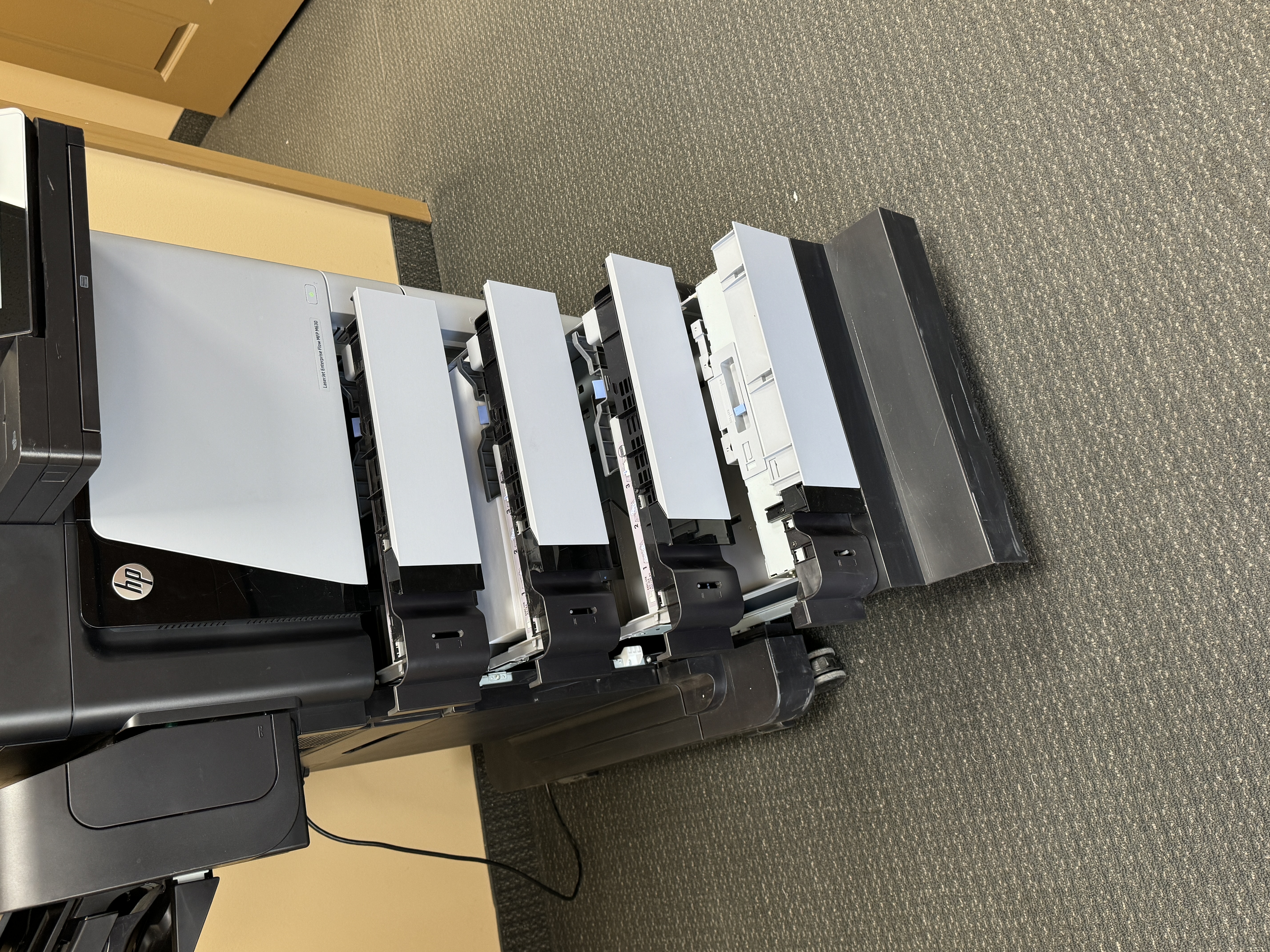
Assessing Your Business’s Printing and Copying Needs
When it comes to picking the perfect printer or copier for your business lease, it’s all about knowing what you need. You’ve got to figure out exactly how much printing and copying work you have on a regular basis, as well as the size of your office space. This means looking at how many pages you’re dealing with daily, weekly, or monthly and determining if you need a different copier for a large office space or a smaller one.
For businesses that don’t print a lot, a simple desktop printer or one of those smaller copiers might just do the trick. But if your office is always buzzing with printing tasks and needs lots of copies fast, then going for something bigger like a floor-standing copier would be better.
With documents, think about what kind you usually handle. If it’s mostly text stuff like reports or letters, then a basic monochrome (that’s black-and-white) machine should cover it. On the other hand, if colorful presentations and marketing materials are more your thing; make sure to get yourself a color printer that makes everything look sharp and bright.
Also take into account any extra features that could help out around the office – maybe scanning or faxing capabilities? Or perhaps duplex (which means being able to print on both sides of paper) is something essential for saving paper in long documents? High-resolution options can also be crucial when every detail matters in printed images.
By taking some time upfront to really understand what your business requires from its leasing equipment regarding printers and copiers will save loads of hassle later down the line by ensuring smooth sailing when handling all sorts not only improves workflow but keeps productivity high too.
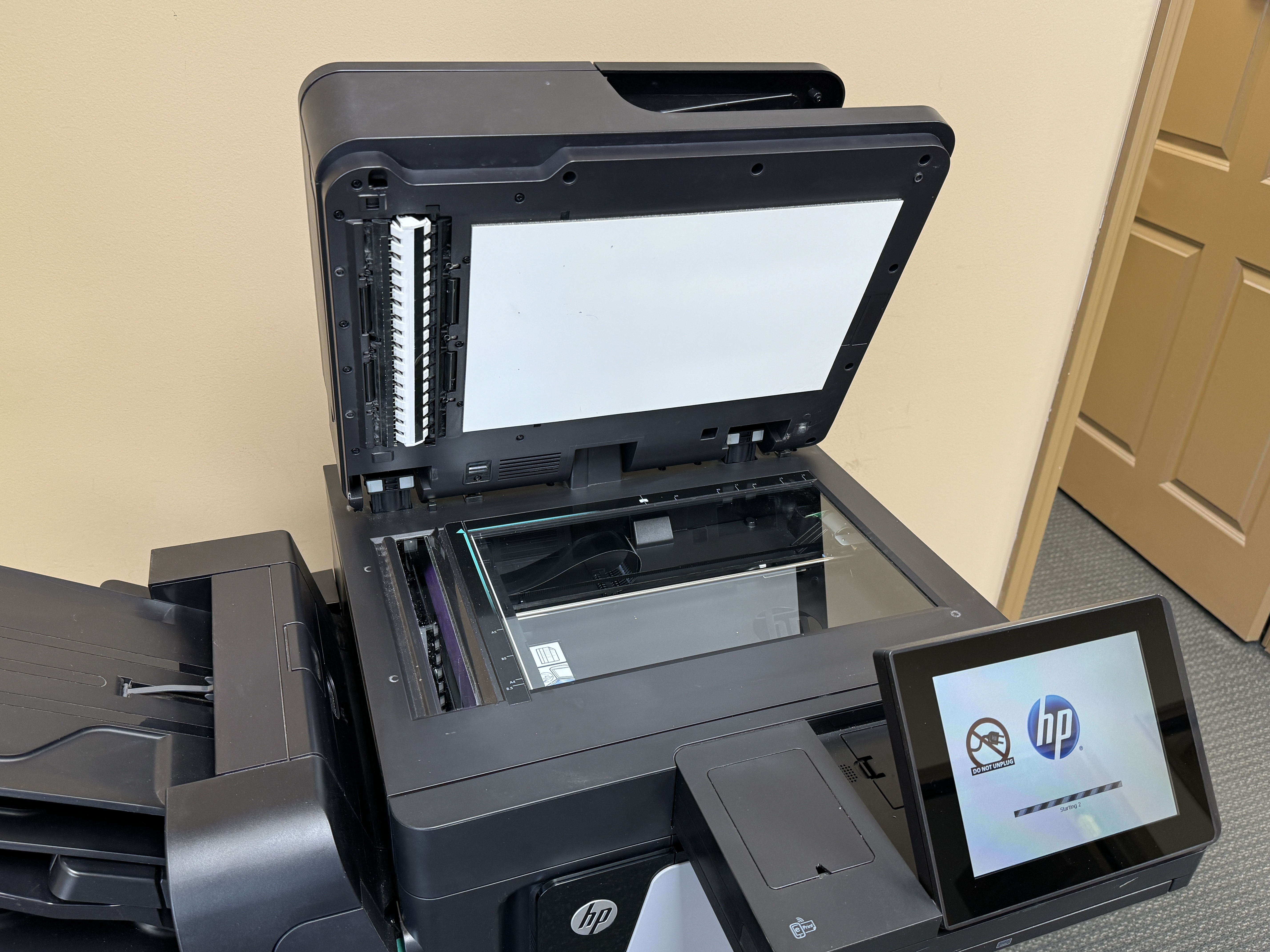
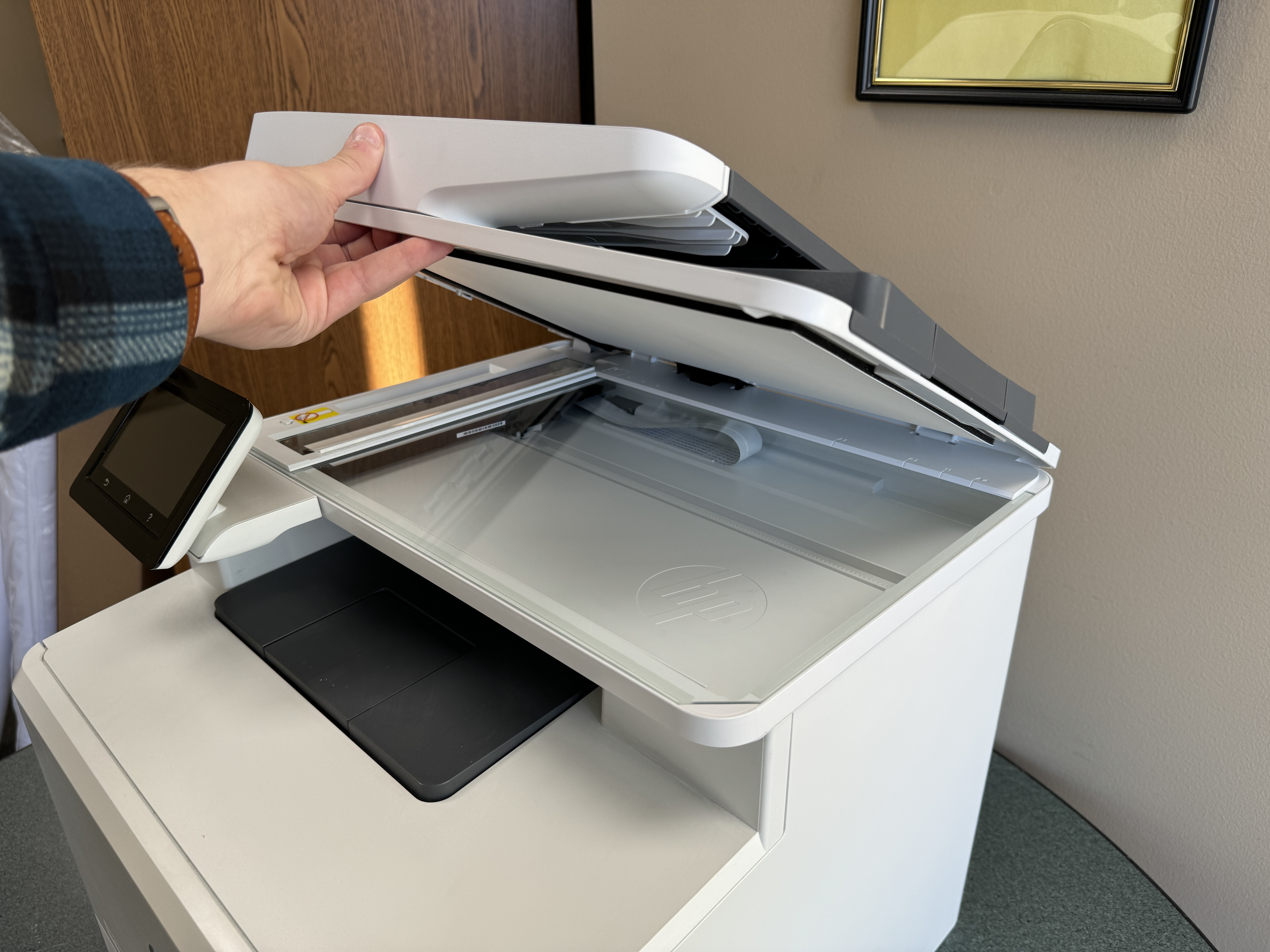


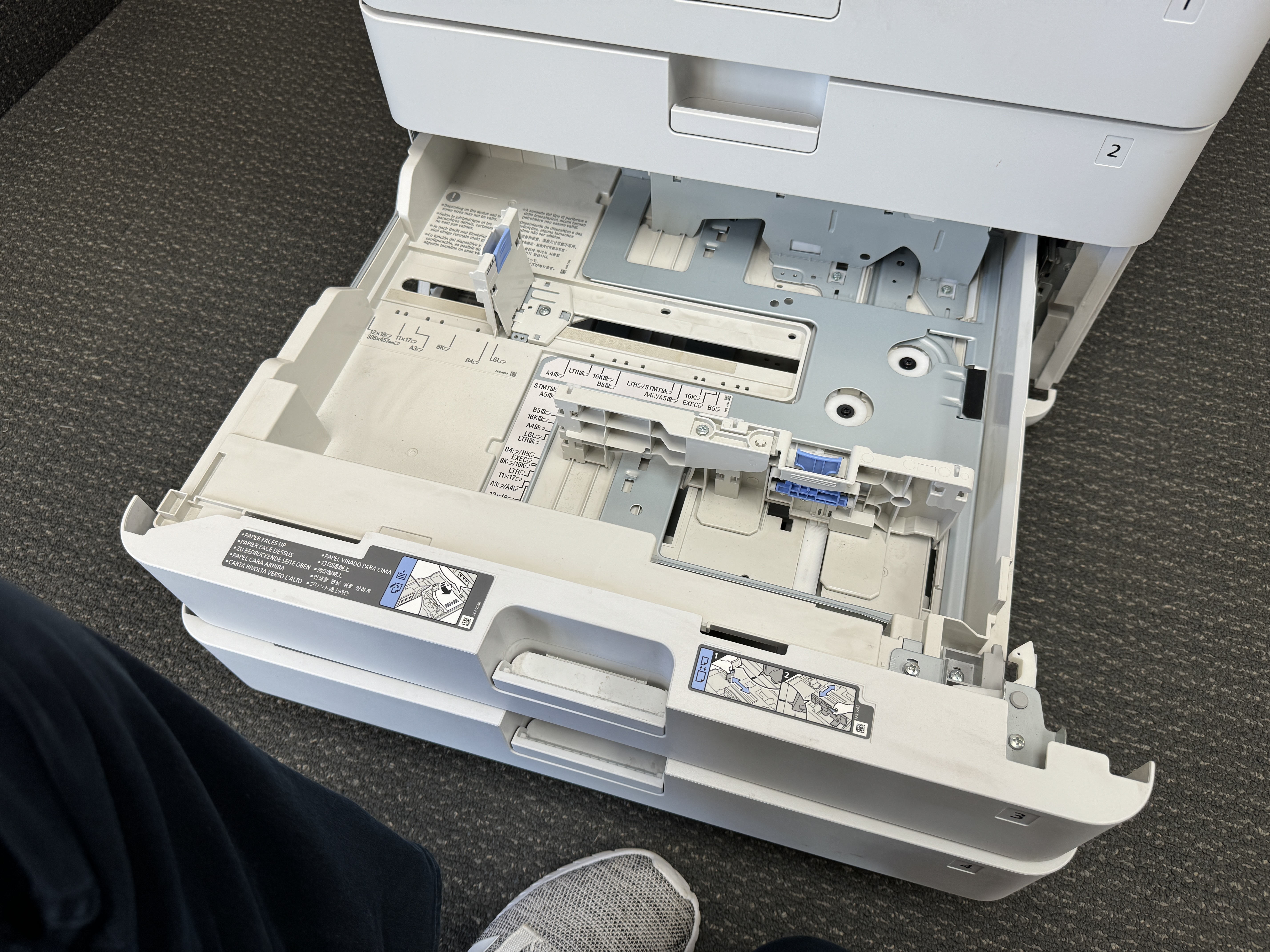
https://americanhistory.si.edu/collections/search/object/nmah_1085916
Features to Look For in Commercial Printers and Copiers
When you’re picking out commercial printers and copiers for your business, it’s really about finding what works best for you. Here are some things to keep an eye on:
- With a multifunction printer or copier, you get a lot in one package – like being able to print, scan, copy, and sometimes even fax. It’s great because it saves space and money while making things run smoother.
- When looking at the speed of printing or copying (measured in pages per minute or ppm), faster is usually better if you’ve got lots of work piling up.
- Duplex printing is another cool feature that lets you print on both sides of the paper automatically. It’s not just handy; it also cuts down on how much paper you use.
- The quality of your prints matters too. Check out the dots per inch (dpi) rating – higher dpi means sharper images which can be super important depending on what kind of documents or graphics your business needs.
- Think about how much paper the machine can hold and what kinds it can handle. Whether it’s regular sheets, envelopes, or card stock – make sure the printer fits with what your business uses most often.
- For connectivity options like wireless printing from phones or tablets look into devices that offer this flexibility so everyone can easily connect no matter where they are working from.
-On top security features should never be overlooked . Choose machines that protect sensitive data through user authentication ,data encryption, and secure network connections .
Keeping these points in mind will help guide you towards choosing commercial printers and copiers tailored perfectly for managing all sorts tasks efficiently within your workflow.
The Lease Process: From Application to Approval
When you decide to lease printers and copiers, knowing how the whole leasing thing works from start to finish can really help make things go smoothly for your business.
With leasing, the first thing you do is fill out a form about what kind of equipment your business needs. You’ll share info like your company’s name, how to get in touch with you, how long you want the lease for, and what type of printers or copiers you’re looking at.
After sending in this form, the company that leases out these machines will take a look at it. They check stuff like if your business has good credit, how it’s doing money-wise, and if you’ve leased anything before. Depending on who’s doing this checking part; it might be quick or take a couple days.
If they say yes to your application, you’ll get something called a lease agreement . This paper talks about all the important bits: How long until everything’s paid off? What are my monthly costs? Who fixes stuff when it breaks? Are there extra fees I should know about?
Before anything else happens, you need sign this agreement and maybe show some documents proving who you are or how your business is doing financially .
Once that paperwork is done, the leasing company will make sure the equipment gets to your office.They’ll set everything up so it works right with the gear you already have there.

https://www.ibisworld.com/united-states/market-research-reports/computer-printer-leasing-industry/
https://www.keypointintelligence.com/hpbesteverydayprintquality
Steps to Apply for a Printer or Copier Lease
When you’re looking to get a copier or printer lease, there are some steps you’ll need to follow. Here’s what the process generally looks like:
- Start by doing your homework on different leasing companies and what they offer. Look at their terms, prices, and what other customers have said about them so you can pick the one that seems right for your business.
- After picking a leasing company, give them a call or send an email saying you’re interested in getting a lease for a printer or copier. They’ll tell you all about how it works and help guide you through their process.
- Next up is filling out the application form they provide. It usually asks for basic info about your business like its name, how to contact you, and what kind of equipment you’re looking for.
- With that done, gather any documents the company might want to see as proof that your business is legit and financially stable—things like financial statements or registration papers should be prepared ahead of time.
- The leasing company will then check your credit score because they want to make sure lending equipment to your business isn’t too risky. They look at things such as if payments were made on time before now when making this decision.
- If everything checks out okay with your application and credit check; next comes reviewing then signing off on the lease agreement which lays down all rules both parties must stick by during this deal – ensure every detail makes sense before agreeing officially!
-On occasion after signing but prior finalizing everything completely; additional paperwork may be requested from their end (like insurance proofs). Make sure these are sent over quickly so nothing holds back moving forward
-Finally once every document has been signed sealed delivered: expect delivery setup soon thereafter where leased printers/copiers become part of daily operations within office devices seamlessly integrating into existing systems
Following these guidelines helps smooth out acquiring necessary printing/copying hardware via copier lease, ensuring support towards efficient running day-to-day tasks around workplace
What Lenders Look For in a Lease Application
When you’re trying to get a lease, the people lending it out will look at a few key things to see if you’re good for it. They really want to make sure you’ve got enough money coming in regularly so that paying for the lease won’t be a problem. On top of this, they’ll take a peek at your business’s credit history just to check how reliable you are when it comes down to handling leases. The details about the lease itself matter quite a bit too. For instance, they’ll go over how long the lease is supposed to last, what your monthly payments should look like, and if there are any extra costs or special conditions involved. To boost your chances of getting that thumbs up from them, having all your ducks in a row with evidence of steady income, solid business credit score and agreeable terms on length of the lease can really help paint you in the best light.
https://workforcenow.adp.com/jobs/apply/posting.html
https://www.kyoceradocumentsolutions.us/en/products/production-printing/TASKALFAPRO15000C.html
Maintenance and Support for Leased Equipment
When you’re thinking about leasing a printer or copier for your business, it’s really important to look into the kind of help and maintenance the leasing company offers. In the lease agreement, there should be a section that clearly says who is responsible for keeping the equipment in good shape. The company you lease from ought to have a solid support team ready to fix any problems that might pop up while you’re using their stuff. This way, your leased printer or copier keeps working like it should and doesn’t leave you hanging when you need it most. On top of this, some companies might let you rent another printer if yours has to go in for repairs or isn’t available for some reason. That means even if something goes wrong, your work doesn’t have to stop dead in its tracks. Making sure these details are covered in your lease agreement gives you peace of mind and makes sure everything runs smoothly during your lease term, especially with options like printer rental on standby just in case.
Understanding the Maintenance Clause in Lease Agreements
In a lease agreement, there’s a part called the maintenance clause. This bit talks about who has to do what when it comes to keeping things like printers or copiers running smoothly. It covers simple stuff like cleaning and changing out things that get used up, such as toner or ink cartridges. On top of that, it lays out how you should ask for repairs or other services if needed. Before you sign anything, make sure you really get what this clause means. Look into the service deal closely—check out how fast they’ll respond, what kind of service promises they’re making, and any costs that might come up along the way. Being clear and keeping track of all your requests for fixing or maintaining your equipment is super important so everything keeps working right without any hiccups.
Keeping on top of regular upkeep and quickly sorting out any tech troubles can go a long way in making sure whatever you’ve leased—a printer or copier—works its best for as long as possible
How to Handle Repairs and Downtime
When your equipment breaks down or needs fixing, it’s really important to have a plan ready so your business doesn’t suffer too much. Start by getting in touch with the service team from the company you’re leasing from. Tell them what’s wrong and ask for help fixing it. They’ll tell you what to do next and will handle arranging everything needed for the repairs. If the problem is big, they might even give you some temporary equipment so that your work can keep going without too many problems. It’s super important to talk clearly with them and give them any information or papers they need quickly so things can be fixed fast. Even though having broken equipment means there will be some downtime, a good service team should make this time as short as possible and not let it hurt your business more than necessary. By staying on top of communication and dealing with issues right away, leasing stuff should go smoothly.

https://www.microsoft.com/en-us/windows/
End of Lease Options and Considerations
As the end of your lease term approaches, it’s key to think about what you’re going to do next. With a lease renewal, you have the chance to keep using the equipment for more time if it still does its job well and doesn’t cost too much. On another note, giving back the leased equipment might be better if it’s not needed anymore or if there’s newer tech that catches your eye. For those with an option in their lease agreement, buying out the leased gear when your contract is up could work out great especially if it hasn’t lost its worth and fits into where you see your business heading. The price for this buyout usually depends on how much people would pay for such equipment now or a specific amount mentioned right from the start in your contract. It’s really important to go over all these details carefully so you can choose wisely for what comes after.
Renewing Your Lease vs. Returning the Equipment
When you’re trying to decide if you should renew your lease or give back the equipment, think about a few things. Look at how well the leased stuff is working and if it still does what you need for your business. Also, consider if there’s new technology out there that could do a better job. If everything with what you’ve got is running smoothly and fits your needs, sticking with a lease renewal might save money since it avoids the upfront cost of buying something new. On the flip side, returning what you have lets you get your hands on the latest technology which could work better or offer more features. It’s important to weigh up where your business stands now against where it’ll be down the line, balance out costs versus benefits between keeping or returning gear, and chat with whoever provided the leasing deal so that whatever choice made is based on solid info.
Buying Out Your Leased Printer or Copier
When thinking about whether to buy your leased printer or copier, it’s really important to weigh the pros and cons carefully. Start by looking at how much it would cost you to own the equipment outright. This price might be what people generally pay for such an item (fair market value) or a specific amount mentioned in your lease agreement. Think about how long the printer or copier will last, if it still does what you need efficiently, and if it fits well with what your business is all about. Then see how this stacks up against the price of getting a new one that has similar features. Owning means you can tweak and adjust things as needed which could be pretty handy but don’t forget there’ll also be costs for keeping everything running smoothly on your end after buying. By taking all these points into account through a detailed look at costs versus benefits, you’ll figure out if purchasing your leased printer or copier makes sense money-wise and supports where you want to take your business.
The Role of Managed Print Services in Leasing
Managed print services are super important when it comes to leasing commercial printers and copiers. They give businesses a full package for handling all their printing needs. By working with a provider of these services, companies can cut down on printing expenses and get more efficient.
With managed print service, you’re looking at improving how your fleet of printers works, managing supplies better, keeping up with maintenance without waiting for things to break down, and making the whole process smoother. These efforts aim to make less waste and boost productivity.
One big plus of adding managed print services into a lease agreement is that it helps save money. Through these services, companies have an easier time watching over their printing costs by keeping an eye on how much they’re printing, setting rules around printer use, and spotting chances to do things better.
On top of saving cash,printing services also mean fewer headaches because they keep an eye on the equipment for you. This way, leased commercial printers don’t cause unexpected problems or stop work from happening. Regular check-ups prevent expensive fixes later on while ensuring everything runs like clockwork.
Moreover*,leasing *with these added benefits means not having to worry about the nitty-gritty details like ordering ink or fixing jams; that’s all taken care of by specialists so businesses can stick to what they do best.
All in all**, including managed *print*services in a **lease agreement** offers lots of advantages if you’re getting into **leasing commercial printers. It’s about lowering costs, boosting efficiency, and enjoying some extra peace knowing someone else has got your back when it comes to maintaining those machines.*
How Managed Print Services Can Optimize Your Printing Costs
Managed print services are super helpful when it comes to cutting down on how much you spend on printing. By teaming up with a provider of these services, companies can get a better handle on their printing costs and find ways to spend less.
For starters, managed print services make your printing expenses lower by setting up some rules about how we all should print stuff. This means deciding who gets to print in color, making sure people use both sides of the paper (that’s what duplex printing is), and ensuring that only the person who printed something can pick it up from the printer. These steps help cut back on wasting paper and toner.
On top of this, managed print service providers take a close look at how businesses use their printers. They figure out if there are any printers just sitting around not being used much or if too many devices are doing the same job. Getting rid of extra printers or combining jobs onto fewer machines helps save money.
Also, these services make buying supplies for printers easier by handling everything in one place. When businesses buy all their ink or toner together and keep an eye on what they have automatically, they’re less likely to run out unexpectedly or order more than they need by mistake—this way; spending money more wisely is simpler.
In short, getting help from experts in managed print services means companies can save cash through smart rules about printing, using just enough equipment (duplex included!), and keeping track of toner purchases better—all leading to spending less overall while still getting things done efficiently.
Benefits of Including MPS in Your Lease Agreement
When you add managed print services (MPS) to your lease agreement for commercial printers and copiers, it can really help businesses out.
For starters, by including MPS in the deal, companies get a full package that takes care of everything they need for managing their printing. This means keeping an eye on devices, making sure they’re maintained before issues arise, handling all the supplies needed, and even improving how work gets done around printing tasks. With these things taken care of together under one roof, businesses can make managing their prints a lot easier and be confident that nothing is missed.
On top of this service bundle comes great convenience with MPS as part of your leasing contract. Businesses won’t have to sweat over ordering supplies or fixing technical glitches anymore because experts from the MPS will handle all that jazz. They’ll also keep providing support whenever it’s needed which lets companies breathe easy knowing their print operations are in good hands while they concentrate on what they do best.
Moreover adding MPS into your lease could mean saving some cash too! The folks at MPS know exactly how to fine-tune your printing processes and spot chances to cut costs without cutting corners—like setting up rules for printing less when possible adjusting just how many printers are actually necessary or getting better deals on supplies—all aiming at lowering expenses over time.
So basically throwing managed print services into your leasing mix offers not just thorough assistance with every aspect of dealing with printers but also makes life simpler letting you focus more on core business stuff plus there’s potential money savings down the line.
Conclusion
When businesses decide to lease commercial printers and copiers, it’s often because they’re looking for a way to save money and have more flexibility. It’s really important to get what the lease involves, how it impacts your finances, and making sure you pick the right machine. You might go for a short-term or long-term lease; either way, checking out what kind of help you can get with maintenance and what happens when the lease is over matters a lot. Using managed print services can also make things run smoother while helping you cut costs even further. By carefully thinking about what your business needs are and understanding all there is about leasing, you’ll be able to choose wisely so that everything works out best for managing your printing needs. Keep yourself well-informed, take a good look at everything before deciding, and make sure whatever agreement you sign matches up with where you want your business to head towards getting an easy-breezy printing setup.
Frequently Asked Questions
Can I upgrade my equipment before the lease ends?
Certainly, upgrading your equipment before the lease is up is usually possible. With many leasing agreements designed with flexible terms, companies have the opportunity to switch to newer technology or better-suited equipment for their operations. It’s crucial to go over your lease agreement and talk about potential upgrade paths with your leasing company.
What happens if the printer/copier breaks down?
When your printer or copier stops working, the lease agreement usually has a section called the maintenance clause that covers it. This means the company you leased it from should take care of any repairs and keep everything running smoothly to avoid long breaks for your business. It’s a good idea to go over the service agreement carefully so you know exactly what kind of repair and maintenance help you’re entitled to get.
Are there any hidden fees in printer/copier leases?
When you’re looking into leasing a printer or copier, it’s crucial that everything is clear and there are no sneaky charges hidden away. Make sure to go through the lease agreement with a fine-tooth comb, getting all the details about what you’re signing up for. Keep an eye out for any additional fees or tricky terms tucked into the small print of your contract. If something doesn’t make sense or raises questions, don’t hesitate to ask the company leasing out the equipment for some explanations.
How can I terminate my lease early?
Ending a lease agreement before it’s supposed to can lead to fines, just like the ones mentioned in your lease. If you find yourself needing to get out of your lease sooner, make sure you really go over what your lease says about this and know what kind of penalties there might be. Talk things through with the company you’re leasing from and see if they have any flexible terms or ways for you to leave the agreement without too much trouble.
What are the tax benefits of leasing printers and copiers?
When you lease printers and copiers for your business, it comes with some nice tax perks. For starters, the money you pay each month for leasing can be taken off as a business cost when it’s time to do your taxes. This means you could end up paying less in taxes, which is always good news. On top of that, having a lease makes budgeting easier since you know exactly how much you need to set aside each month for these expenses.